



Historical Context & Trivia
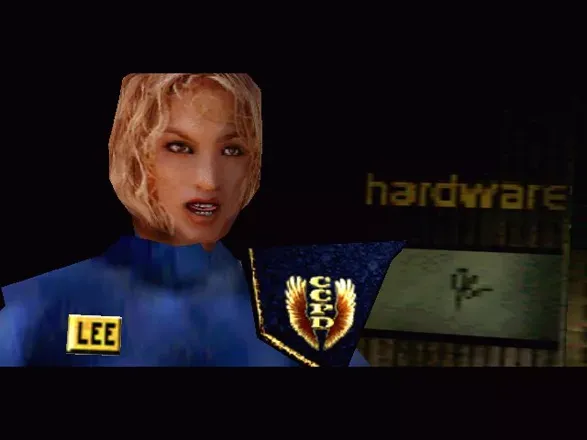
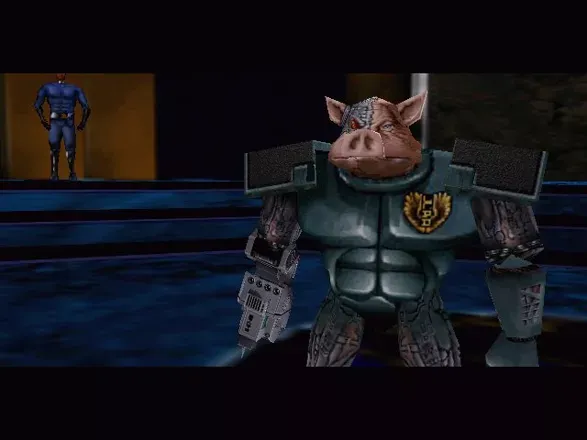
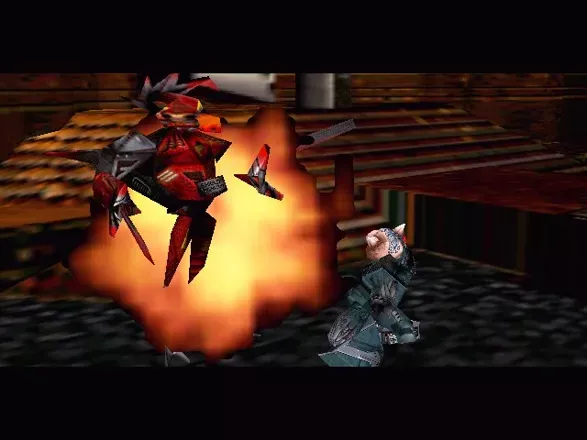
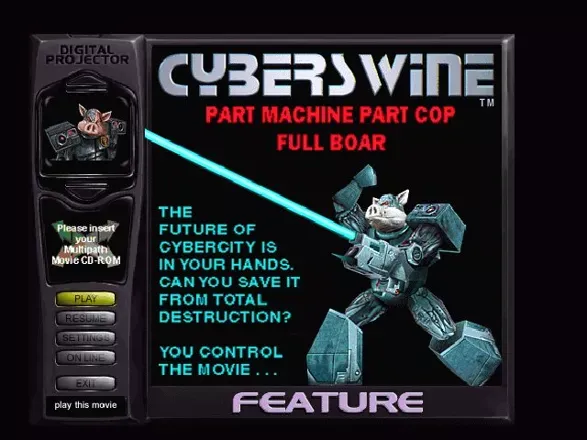
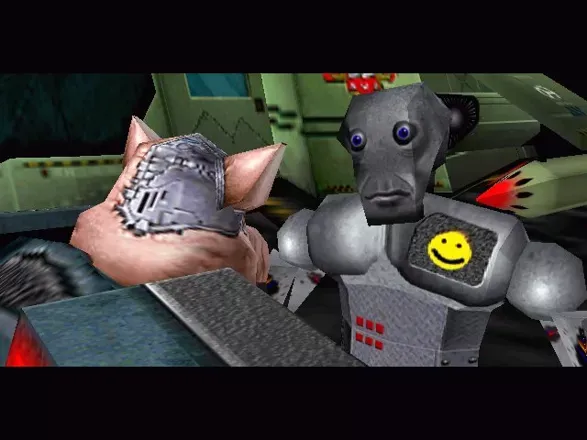
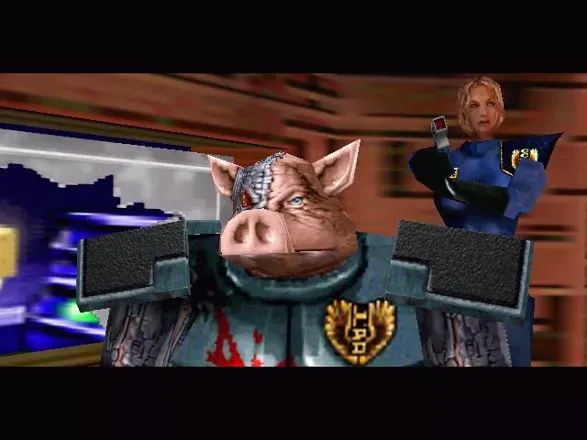
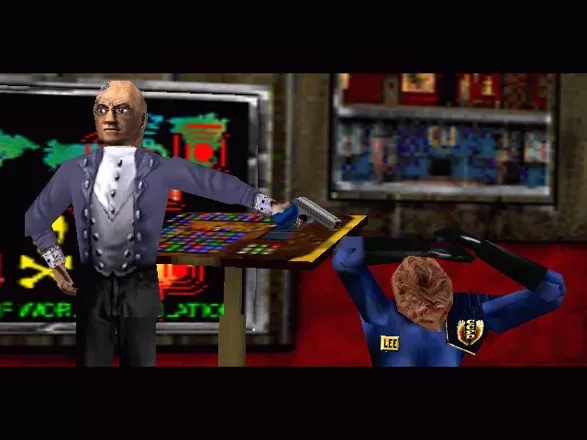
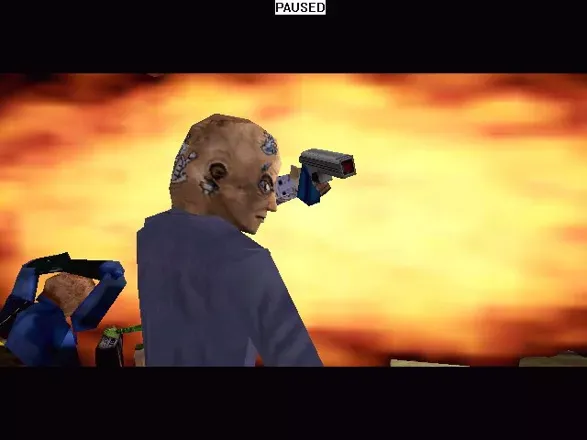
Cyberswine is a 1997 Windows adventure title from Brilliant Digital Entertainment, Inc. that was presented as an interactive “multipath movie” rather than a conventional point-and-click adventure. Its premise—an armored pig-cyborg trying to stop a virus in a neon future—places it firmly in the era’s fascination with cyberpunk, CGI cutscenes, and FMV-style storytelling.
The clearest documented historical context is that Cyberswine was part of Brilliant Digital’s experimental push into interactive cinematic software, with installation and distribution language framing the experience as “movies” and “movie tickets” rather than standard game content. It is also associated with a comic-book adaptation background in surviving databases, which helps explain its pulpy sci-fi tone and character-driven presentation.
Gameplay & Technical Features
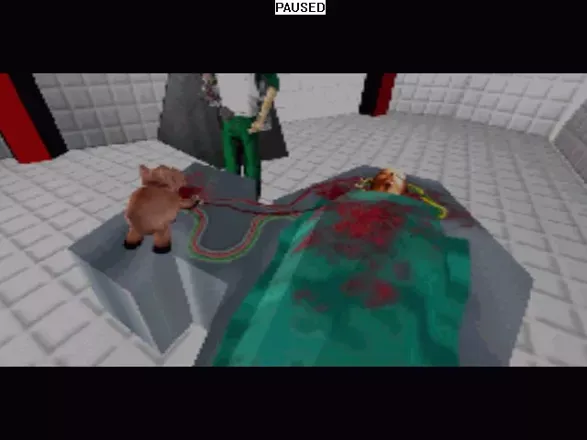
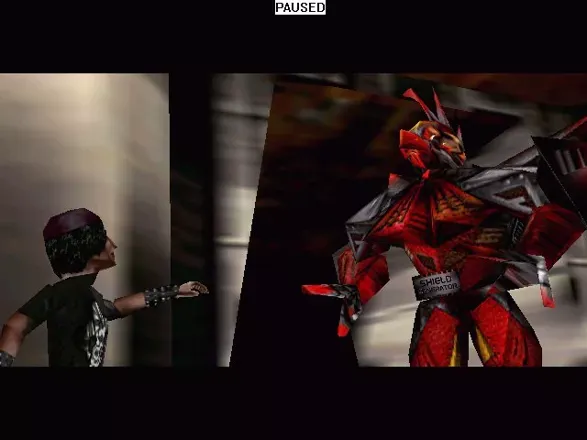
Cyberswine plays as an adventure built around branching choices, with the player influencing how the protagonist reacts in key moments. Surviving descriptions indicate that the interaction is decision-based and time-limited, with mood-style prompts shaping scenes more than demanding reflex-based action.
On Windows, the game used early CGI-driven presentation and an interactive-movie framework typical of late-1990s multimedia software. Its technical identity was defined less by complex mechanics than by pre-rendered visuals, scripted sequences, and a software design that treated the game as a digital film experience inside a desktop PC environment.
Collector’s Value & Rarity
Cyberswine is generally treated as a niche late-1990s PC curiosity rather than a broadly collected mainstream release. Its market value is shaped more by obscurity, limited cultural footprint, and preservation interest than by high demand from the retro game market.
Because surviving references point to abandonware circulation and archival discovery, intact original packaging, manuals, and any included promotional materials are the kinds of physical items that matter most to collectors. Any regional or release-variant differences are not well documented in the available records, so preservation status remains the main factor driving interest in the title.