

Historical Context & Trivia
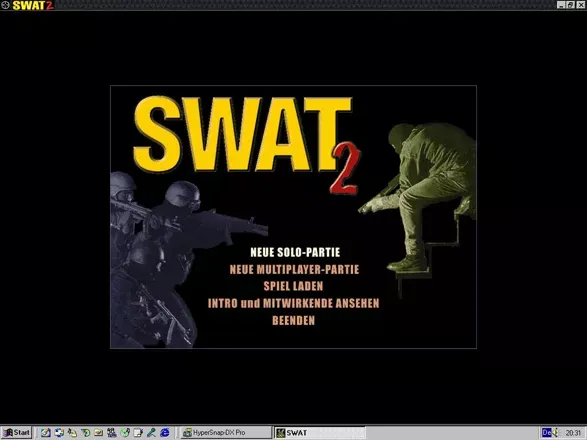
Police Quest: SWAT 2 (1998) is a notable late-entry in Sierra’s long-running Police Quest lineage, and it marks the series’ shift away from traditional adventure design toward real-time tactical command on Windows. It is commonly described as the sixth and final game in the original Police Quest series and the second entry in the SWAT subseries, placing it at the point where Sierra was reworking the brand into a more strategy-focused form.
The game was developed by Yosemite Entertainment and published under Sierra FX, both associated with Sierra On-Line. Sources agree that it was released for Microsoft Windows in 1998, with North American release dates clustering around late June to mid-July, depending on the database.
Gameplay & Technical Features
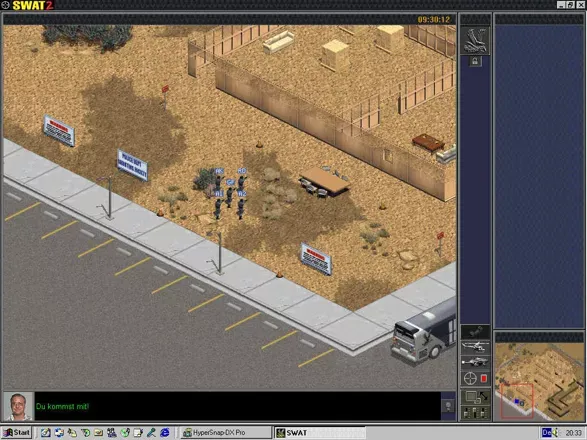
Police Quest: SWAT 2 is a real-time tactics game built around commanding SWAT units through connected missions rather than solving puzzles in the classic adventure-game sense. The core loop emphasizes tactical positioning, threat assessment, hostage protection, and mission rules of engagement, with some sources noting that the player may also engage in opposing-faction scenarios.
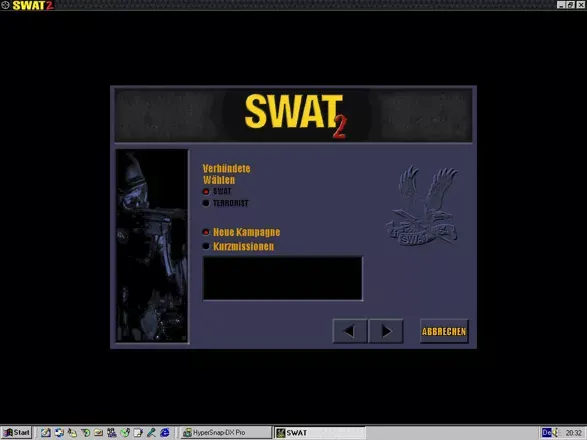
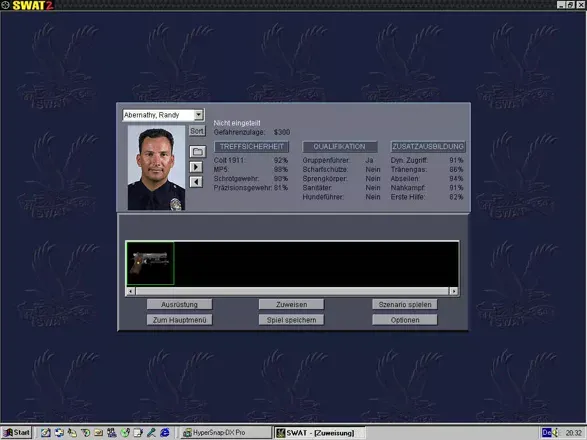
On Windows, the game uses an isometric tactical presentation and an original engine, while retaining only a small amount of legacy adventure-style interface logic such as inventory use and command icons. The title also supported multiplayer according to catalog listings, and later store metadata classifies it as a strategy/simulation hybrid, reflecting its blend of planning, action, and scenario management.
Collector’s Value & Rarity
Police Quest: SWAT 2 is not generally considered a rare high-ticket collectible, but it has steady preservation value because it sits at the intersection of Sierra history, tactical strategy design, and a recognizable police-simulation brand. Its market interest is driven more by series significance and compatibility concerns than by extreme scarcity, especially since it later reappeared in digital catalog form.
For collectors, the most relevant physical details are the original PC release packaging, regional distribution differences between North American and PAL editions, and any surviving documentation tied to Sierra-era releases. Preservation-focused sources also note localization variants in multiple languages, which can matter for boxed copies and archival completeness.