

Historical Context & Trivia
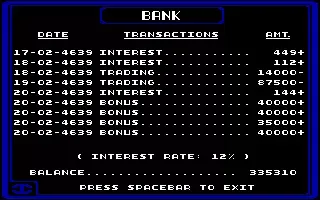
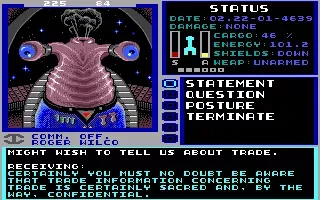
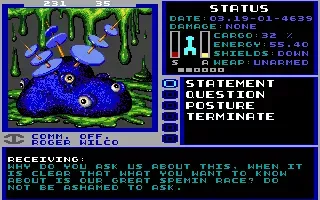
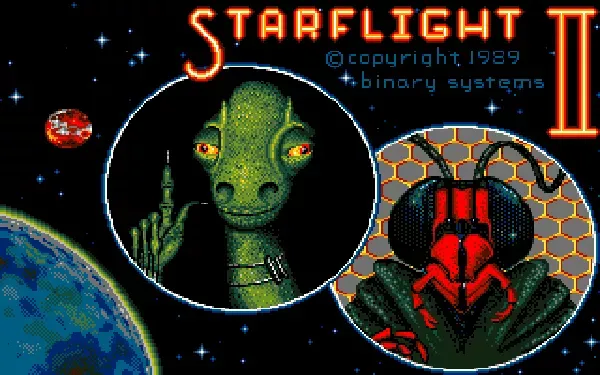
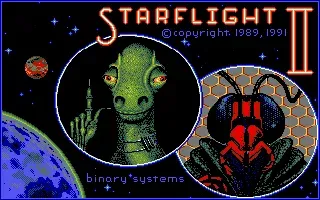
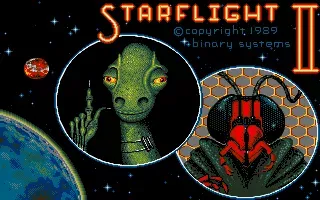
Starflight 2: Trade Routes of the Cloud Nebula was released in 1989 for DOS as a sequel to the influential space-exploration RPG Starflight, expanding that earlier formula into a larger galaxy built around trade, diplomacy, and investigation. It follows the aftermath of the first game’s events, with humanity and allied powers confronting the Spemin after their sudden rise in power and access to advanced technology.
Binary Systems developed the game and Electronic Arts, Inc. published it, continuing the series’ blend of open-ended exploration and narrative discovery. Contemporary and retrospective coverage consistently places it as a close continuation of the original design, with a stronger emphasis on trading and a more explicit economic layer than its predecessor.
Gameplay & Technical Features
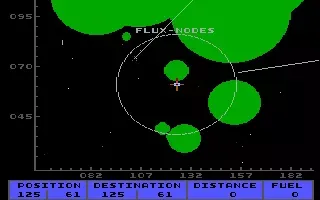
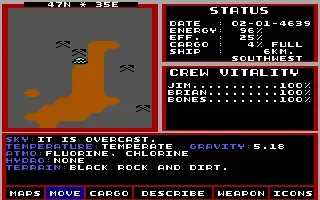
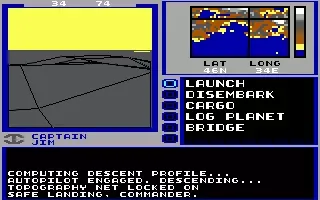
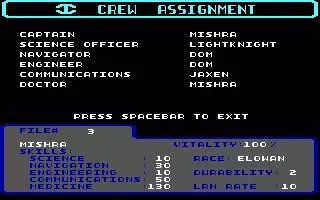
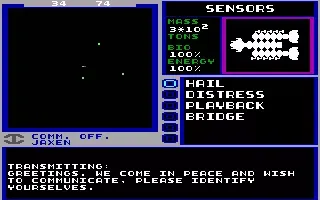
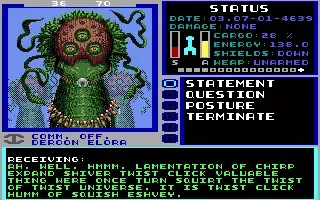
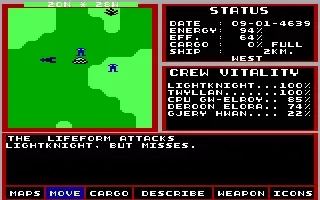
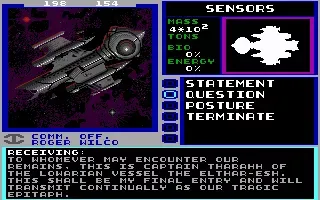
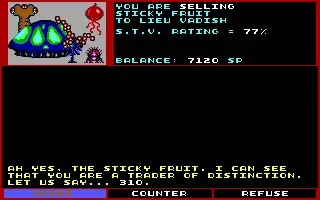
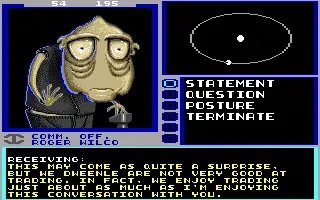
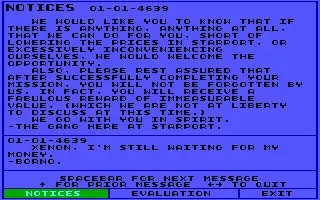
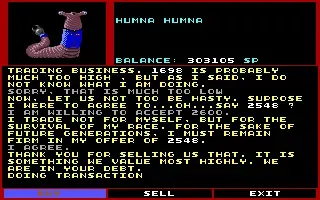
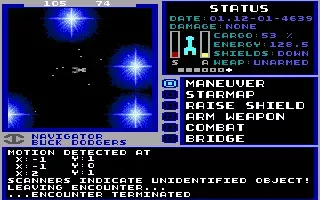
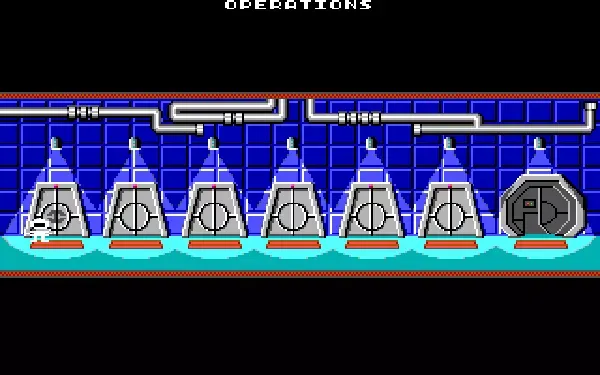
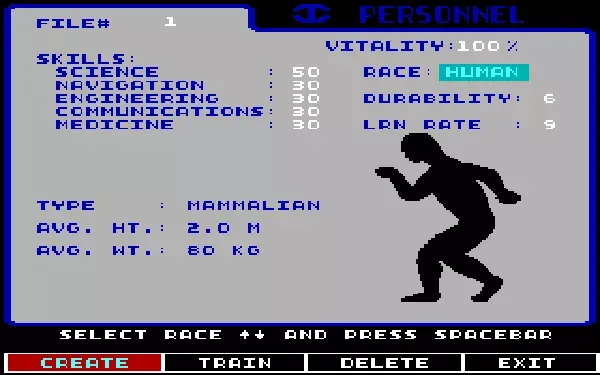
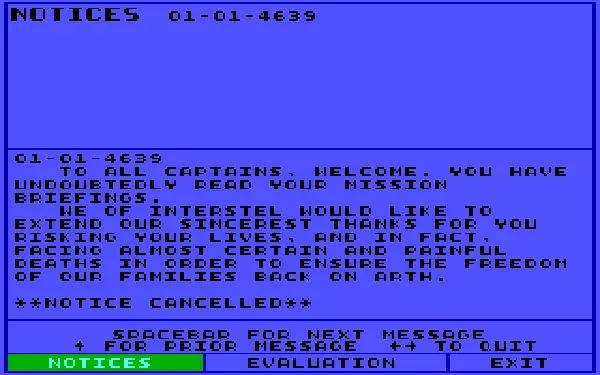
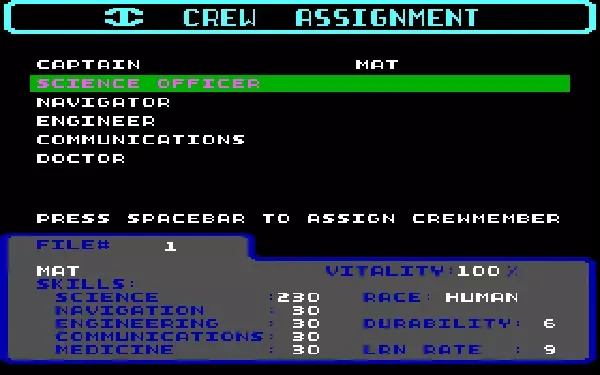
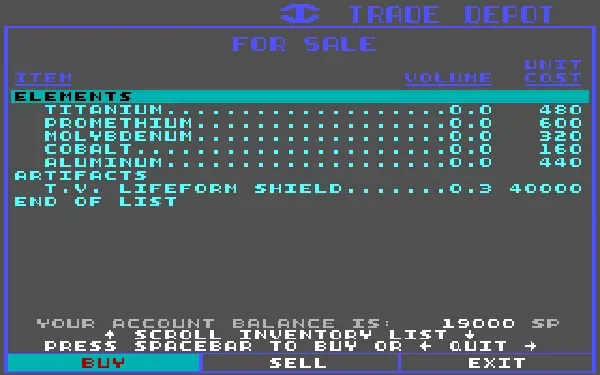
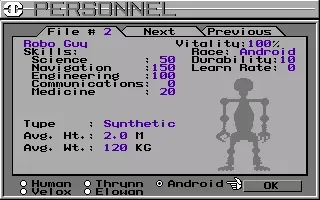
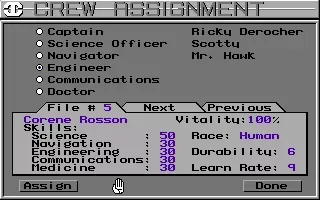
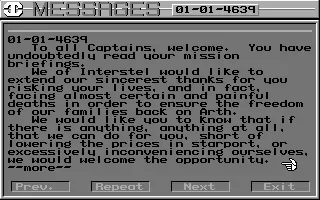
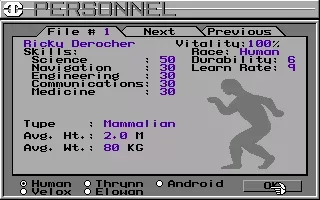
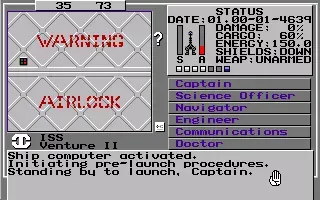
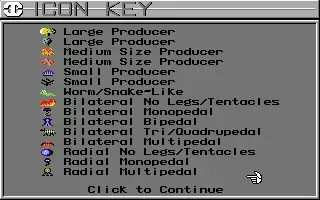
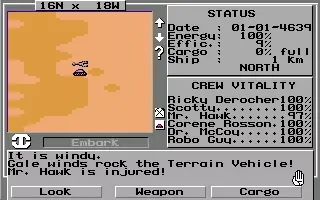
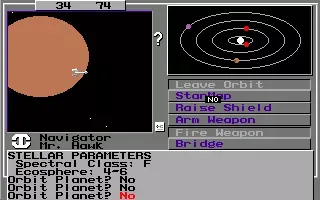
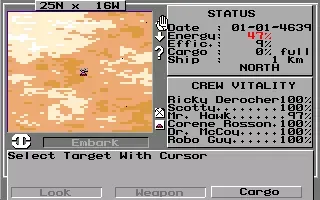
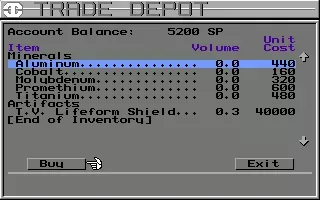
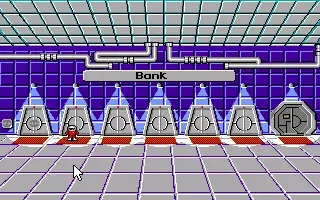
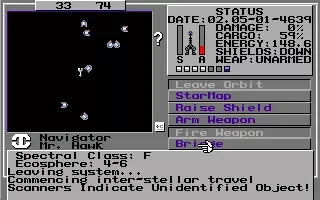
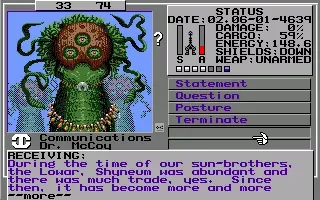
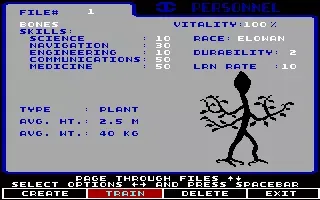
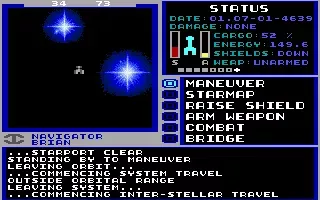
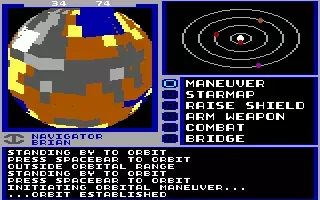
This RPG / Simulation centers on commanding a starship, assembling and training a crew, exploring star systems, landing on planets, and solving the central mystery through conversation, salvage, and combat. The game retains the ship-station interface structure of the first Starflight while adding a more active trade system, new alien races, and items that can be bought and sold at variable prices across the galaxy.
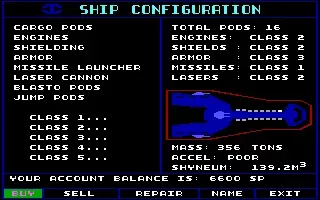
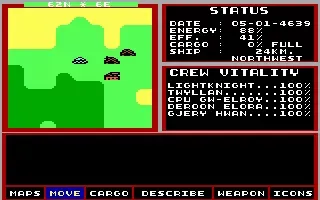
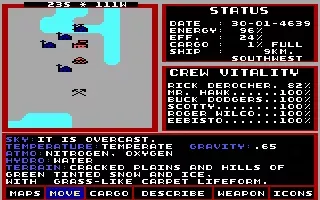
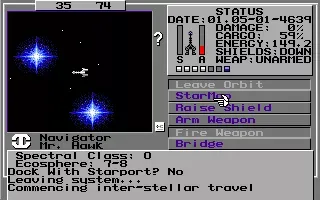
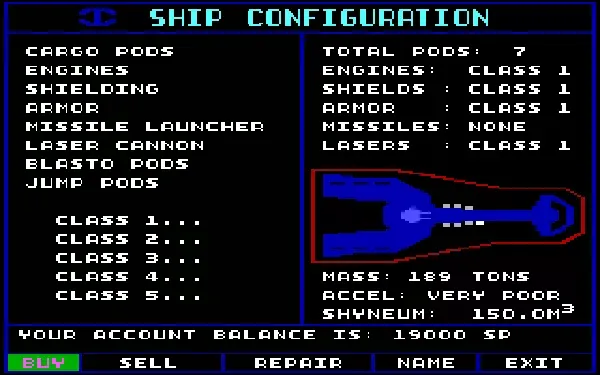
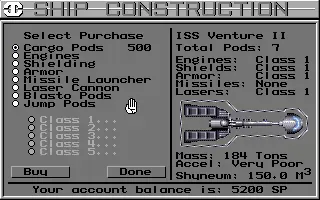
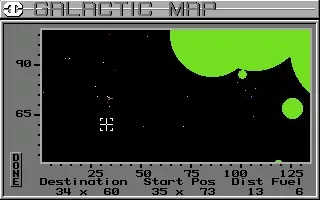
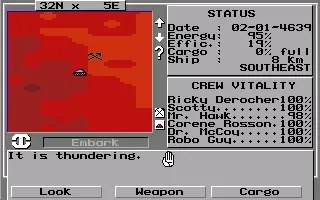
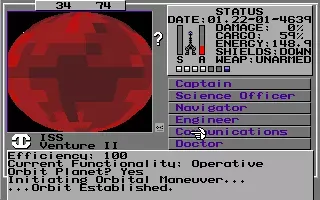
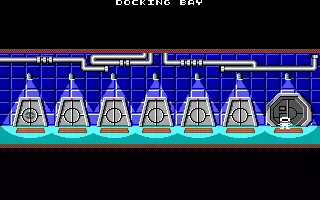
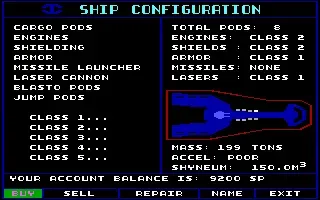
On the DOS platform, the game presents a text-and-menu driven command layout with orbital travel, planetary rover exploration, and tactical ship management, all within a sci-fi framework that also includes real-time pacing. Sources describe new equipment such as Jump Pods and Blastopods, along with expanded galaxy-scale travel and resource handling, which gave the sequel a broader strategic feel than the original while preserving its exploration-focused structure.
Collector’s Value & Rarity
As a late-1980s PC release tied to a well-regarded cult classic, Starflight 2 is preserved mainly through digital archives, abandonware communities, and emulator use rather than active commercial circulation. Its scarcity in the collector market is driven less by extreme rarity than by age, platform fragmentation, and the fact that many surviving copies are loose or incomplete rather than boxed and fully documented.
Known physical releases include the original DOS edition and later Amiga and Macintosh versions, with the latter appearing in 1991. Documentation for region-specific packaging variants is limited in the available sources, so the most reliable preservation markers are original manuals, disks, and any included Electronic Arts collateral, all of which materially increase desirability for collectors.