













































































































Historical Context & Trivia
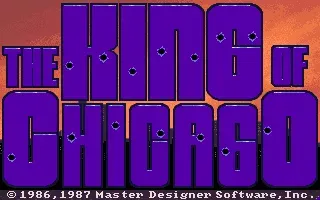
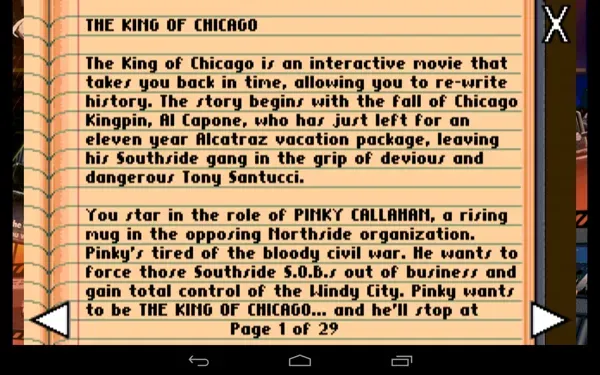
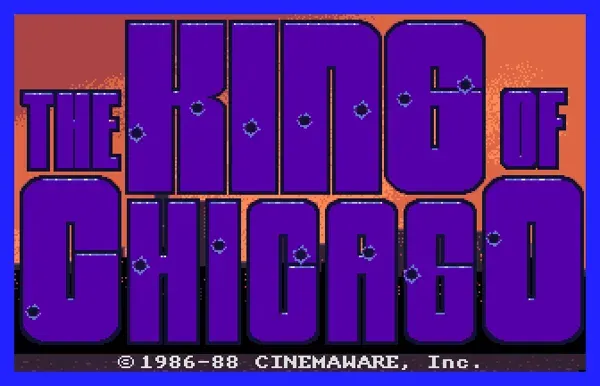
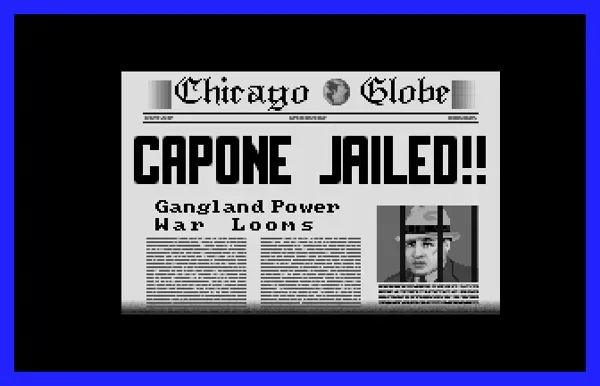
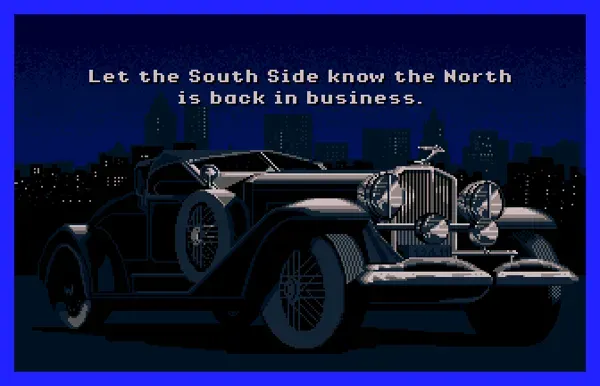
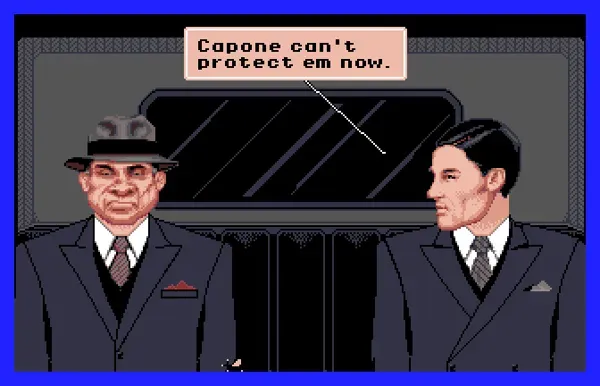
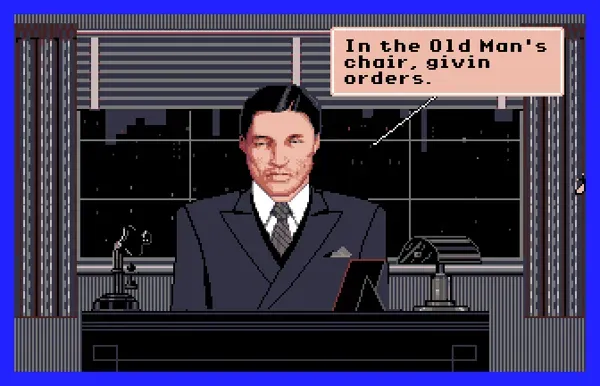
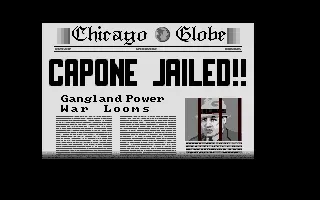
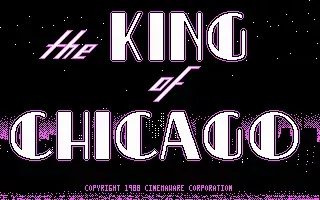
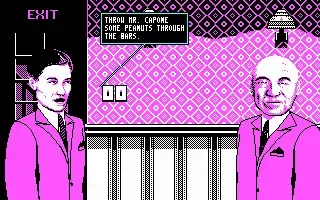
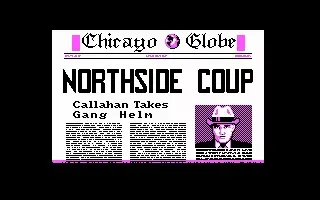
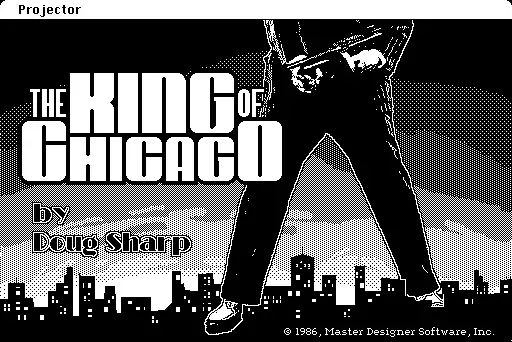
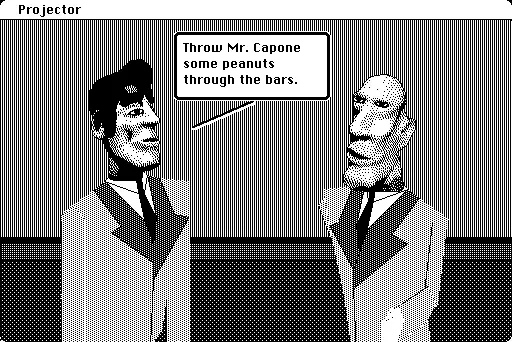
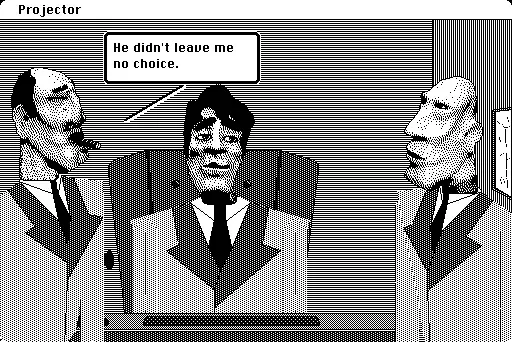
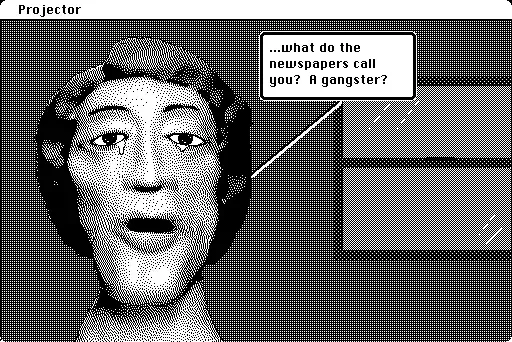
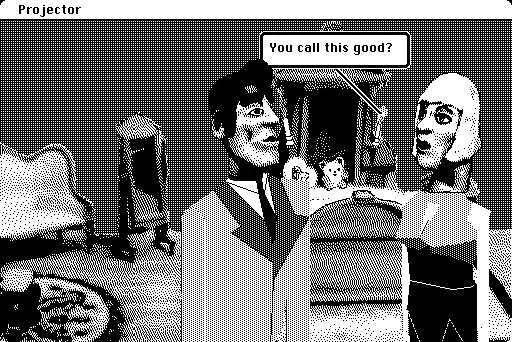
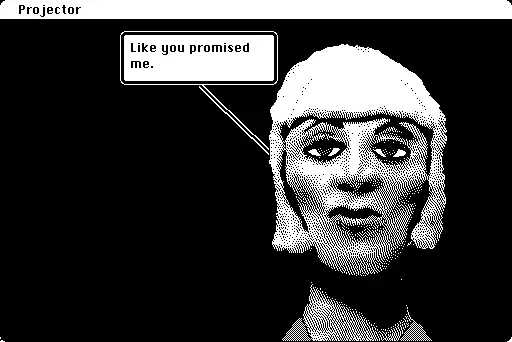
The King of Chicago is a 1986 adventure game set in the Prohibition-era underworld of Chicago, following the power vacuum left by Al Capone’s downfall and the scramble to seize control of the city’s rackets. The Macintosh version was the first release and is notable for using monochrome clay-model imagery, making it one of the more distinctive early examples of cinematic storytelling on the platform.
Credited to Doug Sharp and distributed on the Mac by Mindscape, the game later became associated with Cinemaware as it moved to other systems and versions. Contemporary and retrospective coverage describes it as an early experiment in interactive narrative, with much of the original Macintosh release effectively shaped by Sharp’s design and writing, plus limited contributions such as music and editorial support.
Gameplay & Technical Features
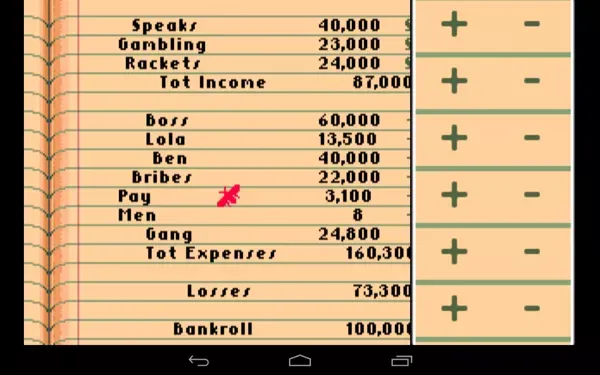
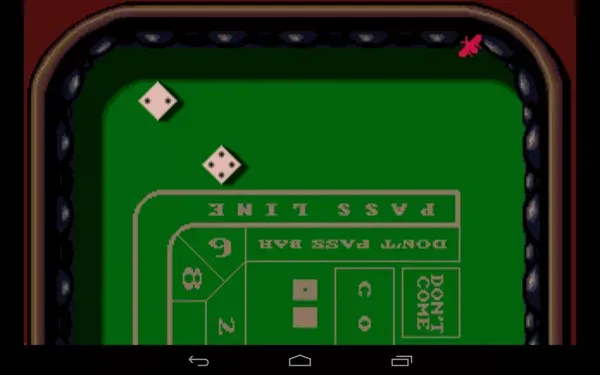
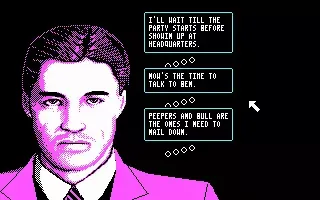
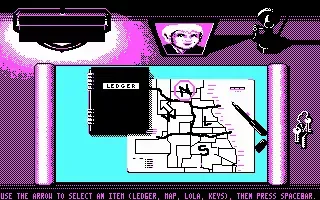
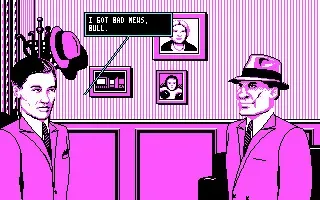
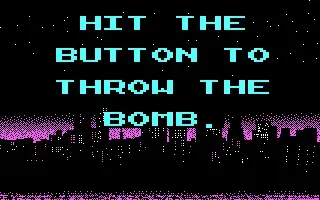
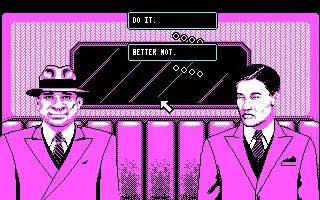
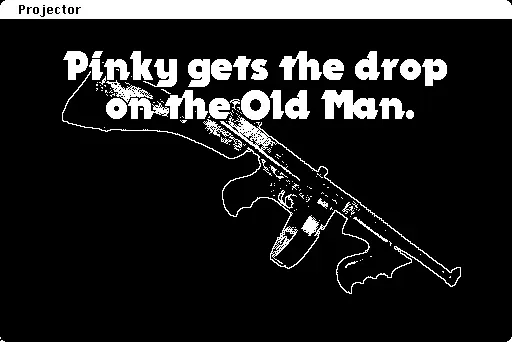
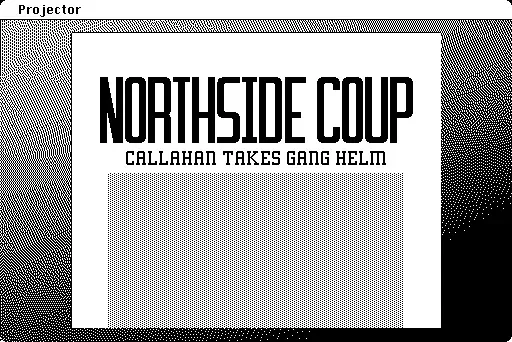
The game combines branching story decisions with light action-style interludes, placing the player in the role of an ambitious gangster trying to build influence through choices, alliances, threats, and money management. Its structure is closer to an interactive crime drama than a traditional puzzle adventure, with decisions carrying long-term consequences.
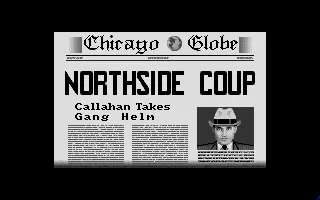
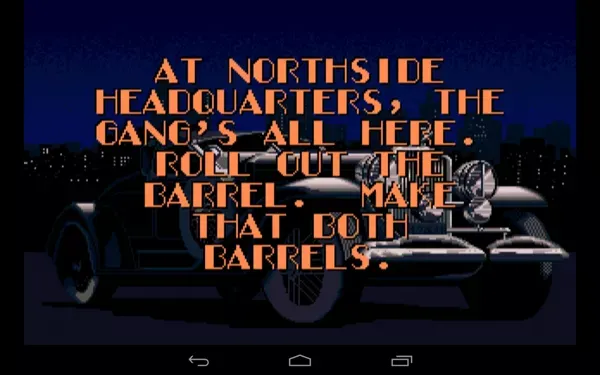
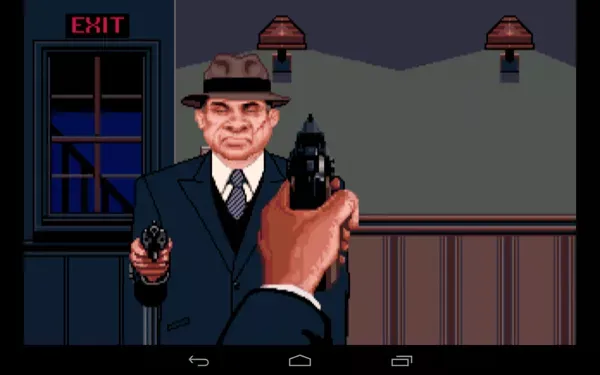
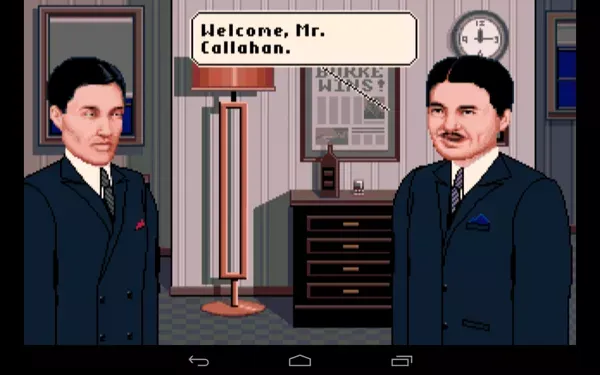
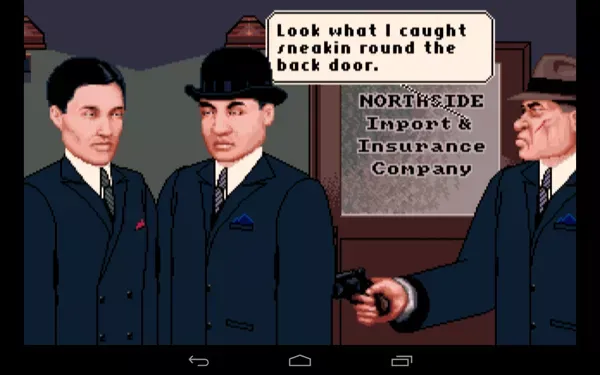
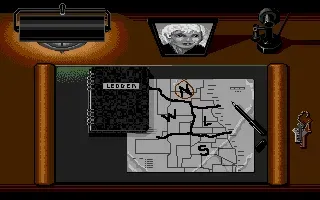
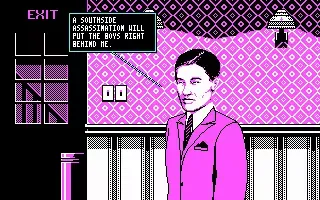
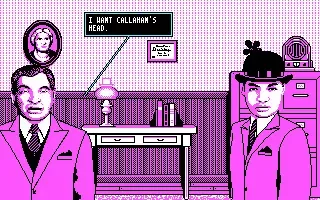
On Macintosh, the presentation leaned into the system’s early monochrome display and relied on digitized clay-model visuals for character imagery, which gave it a sharply different look from later ports. Later versions replaced that look with drawn artwork, but the Macintosh original stands out for its experimental visual style and its compact, self-booting design aimed at early Mac hardware.
Collector’s Value & Rarity
For collectors, the Macintosh release is the historically important version because it is the earliest and most distinctive edition, and it represents the original form of the game before later graphical revisions. Surviving copies are mainly valued for preservation significance rather than universal rarity, since the title circulated through multiple publisher and platform channels over time.
Physical examples are most interesting when they include the original Mindscape Macintosh packaging, manuals, and disk materials, since later ports and regional editions introduced different branding across labels such as Cinemaware and overseas distributors. Variation across platforms is substantial, so boxed Mac copies are the key reference point for completeness and authenticity.