

Historical Context & Trivia
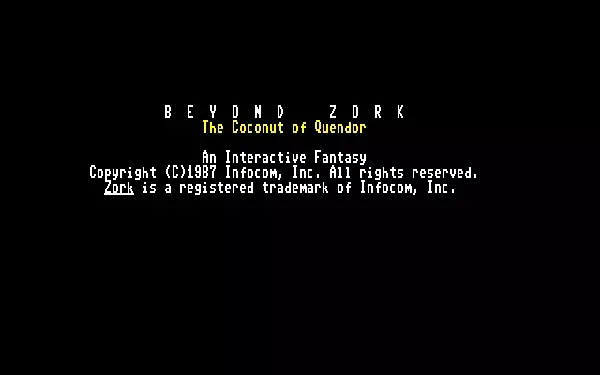
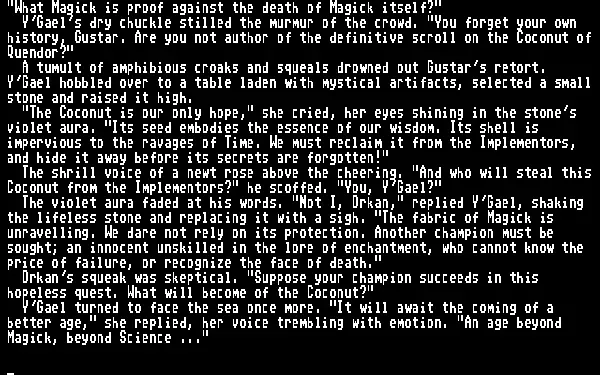
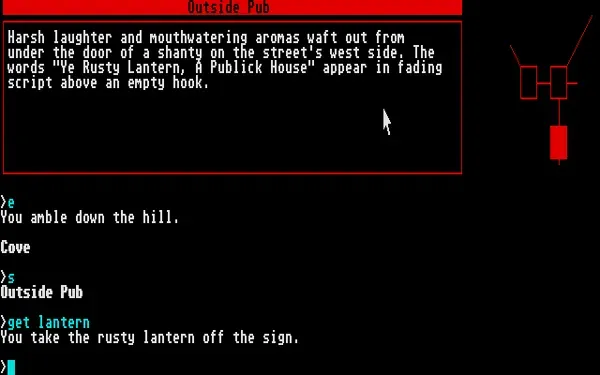
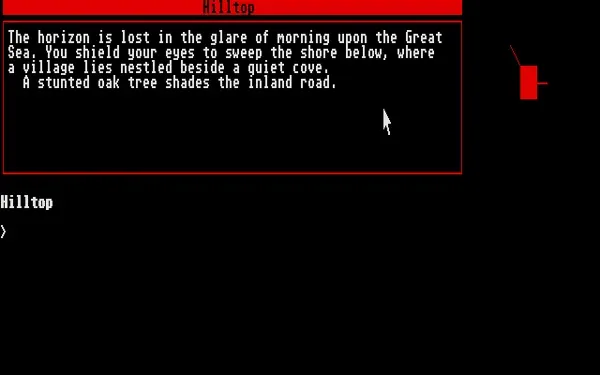
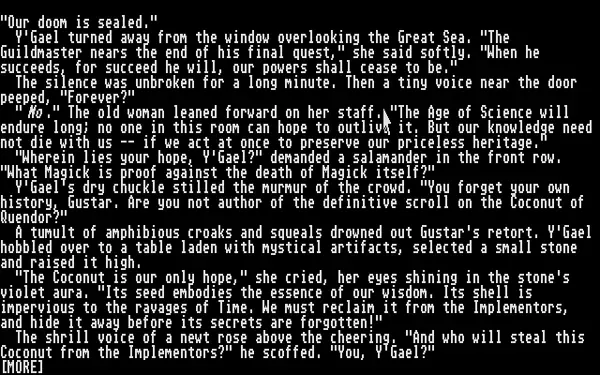
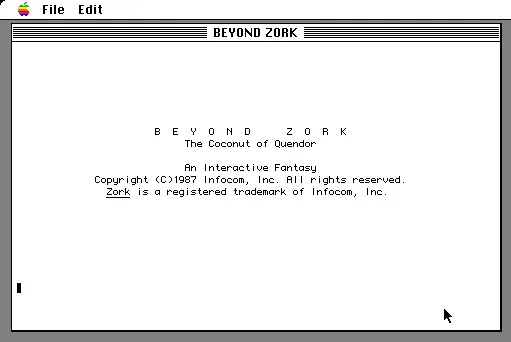
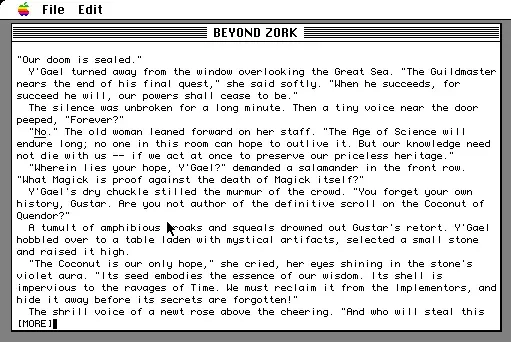
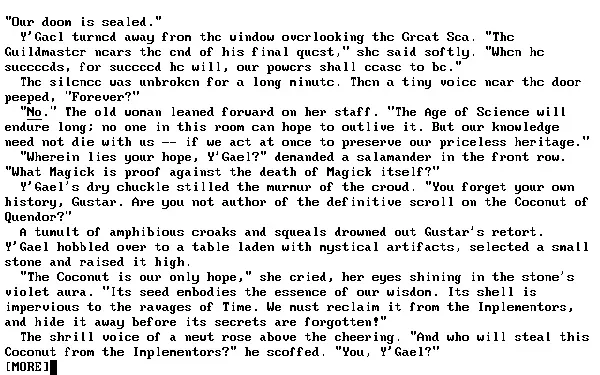
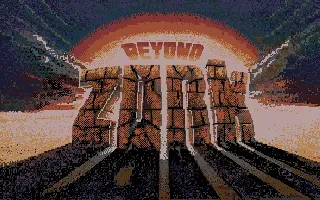
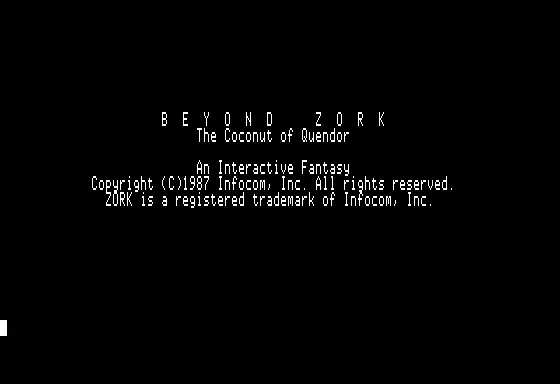
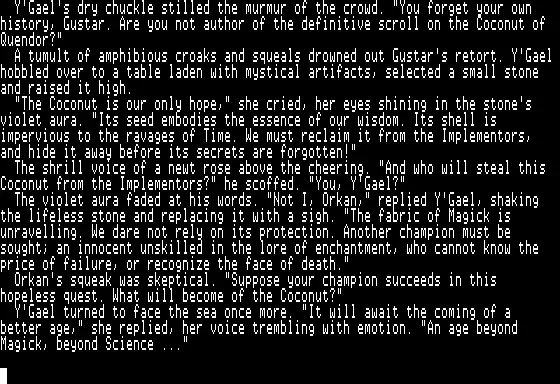
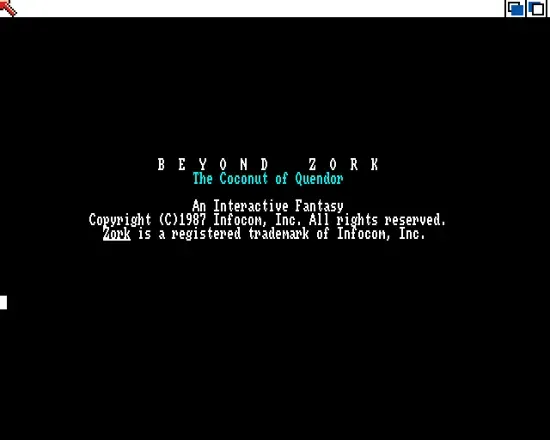
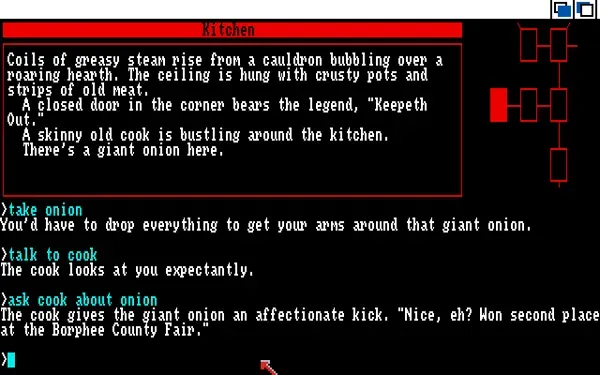
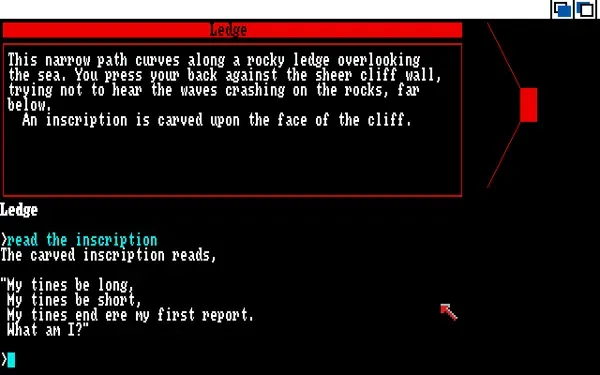
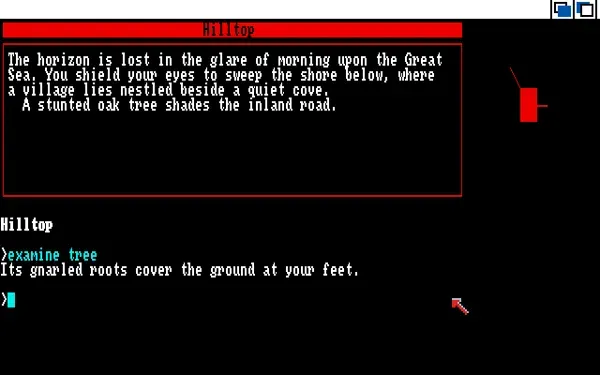
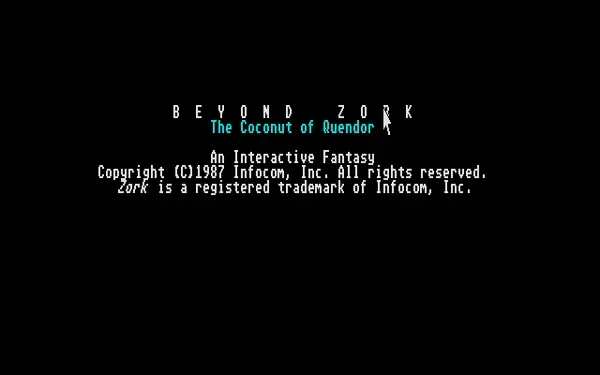
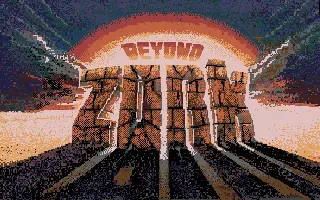
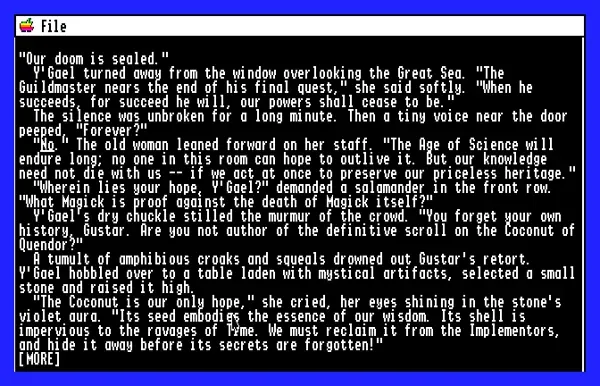
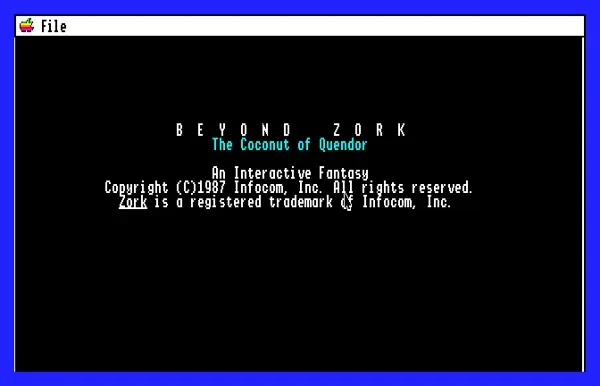
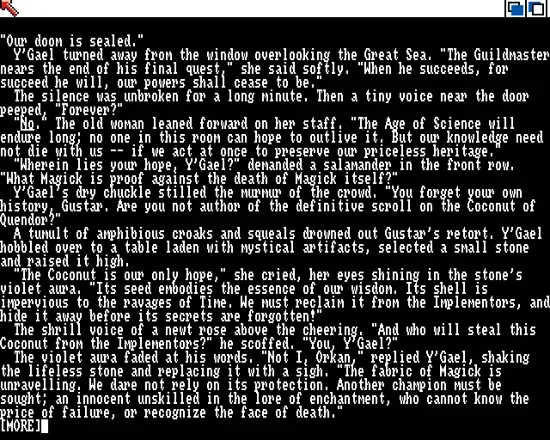
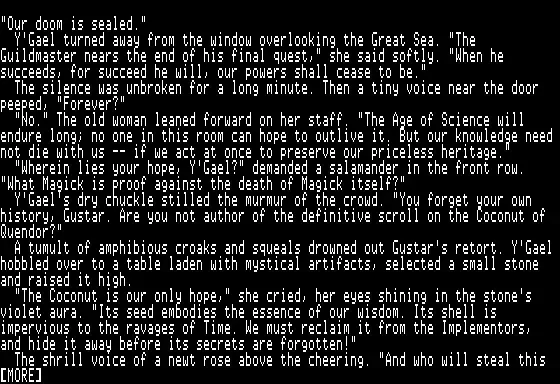
Beyond Zork: The Coconut of Quendor (1987) is one of Infocom’s most distinctive late-era releases, notable for pushing the company’s signature interactive fiction formula toward a hybrid of parser-based adventure and light RPG structure. Set in the Quendor/Zork continuity, it follows the quest for the legendary Coconut of Quendor, a magic-bearing relic tied to the broader lore of the series and the fading age of magick in the setting.
The game was written by Brian Moriarty, and contemporary and retrospective coverage consistently frames it as a major Infocom project for 1987, with the goal of appealing both to long-time Zork players and to fans interested in a more ambitious fantasy adventure. It also arrived with Infocom’s hallmark “feelies,” including a map of the Southlands of Quendor and a lore booklet, reinforcing the company’s reputation for physical-packaged worldbuilding.
Gameplay & Technical Features
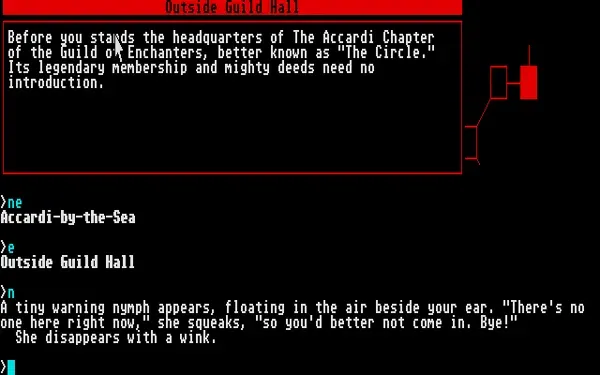
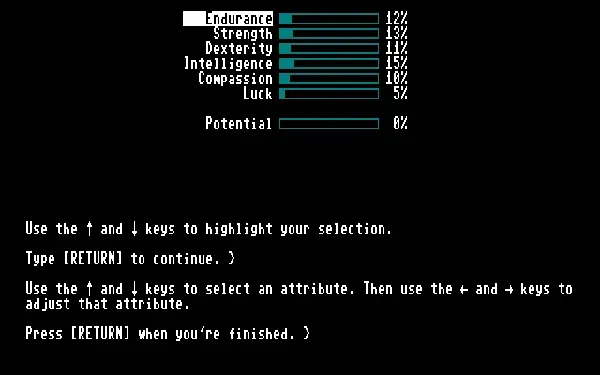
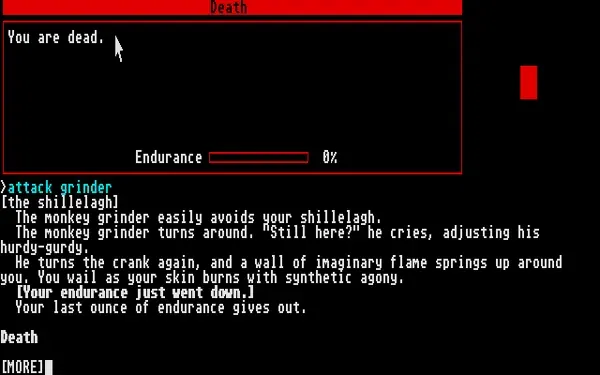
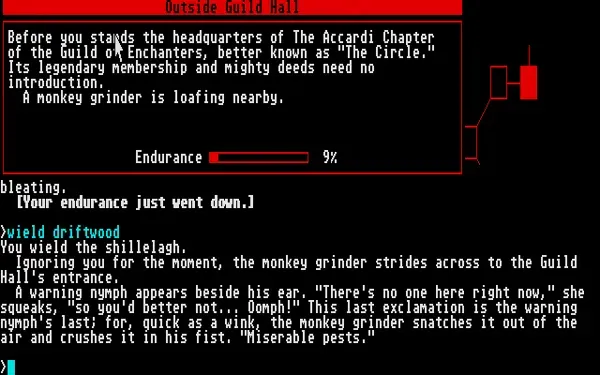
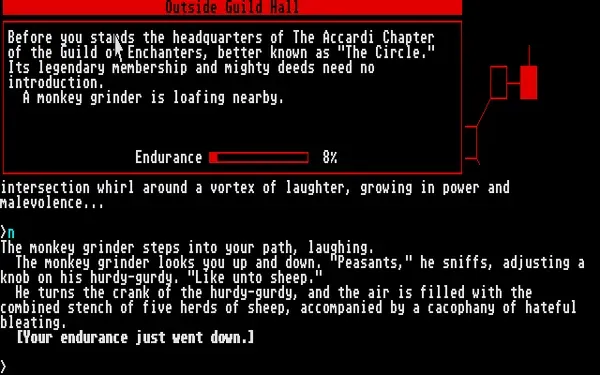
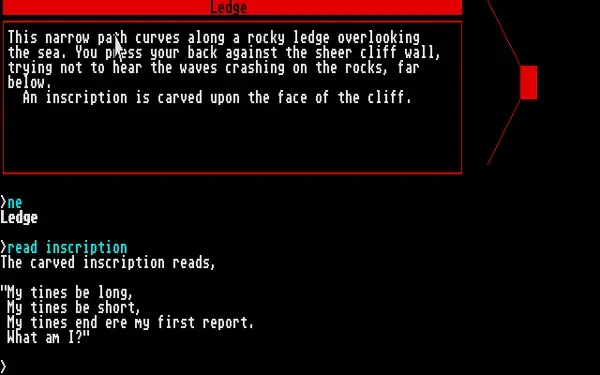
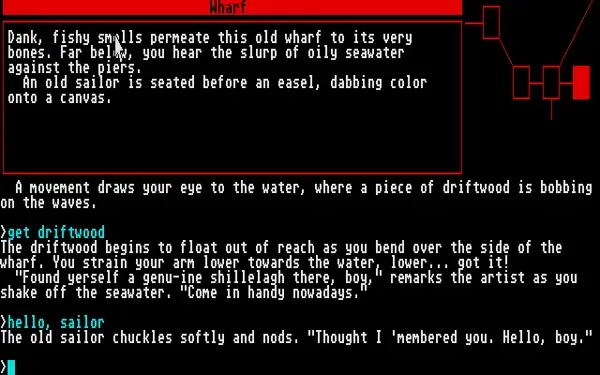
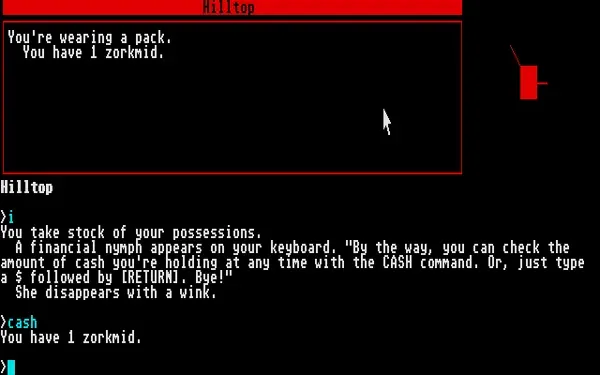
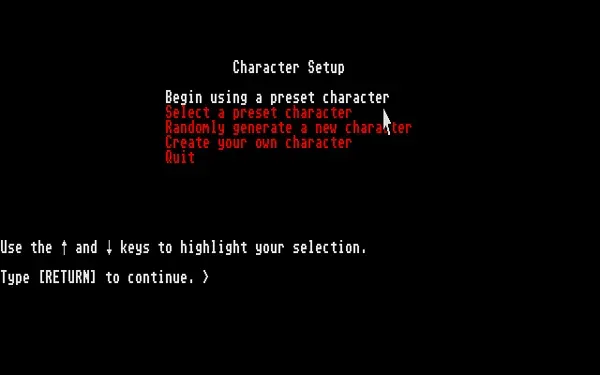
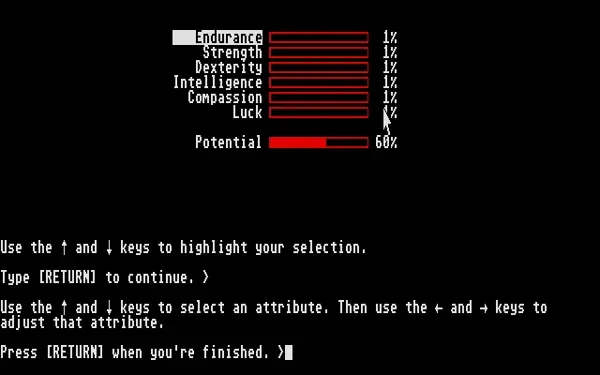
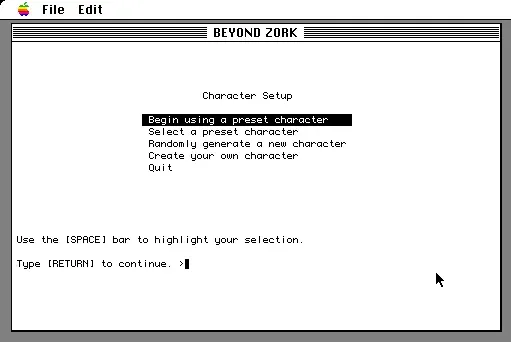
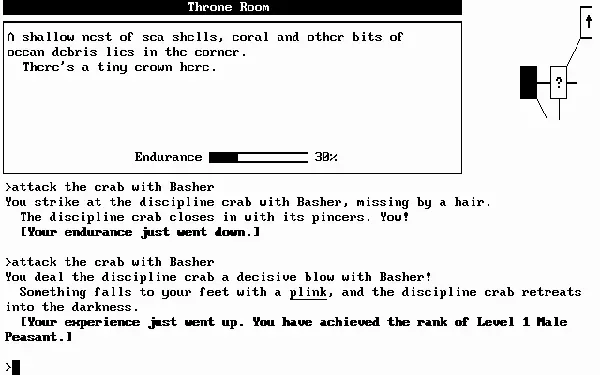
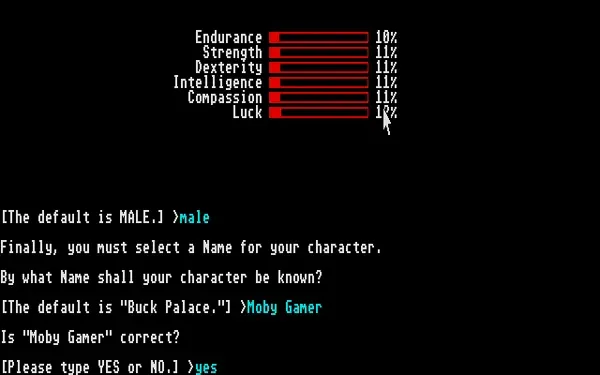
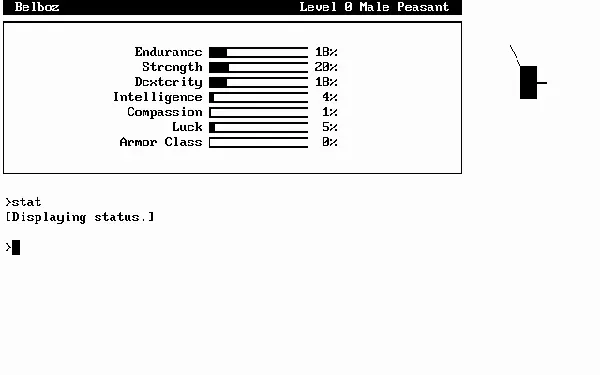
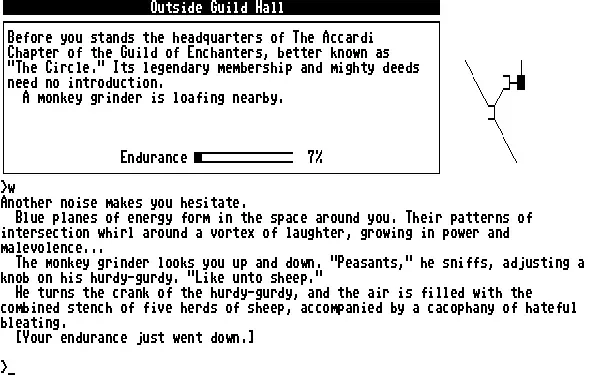
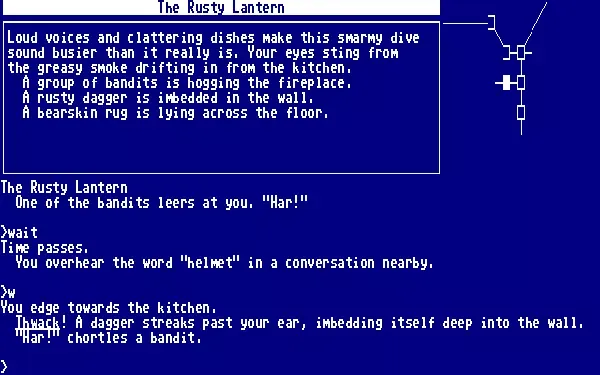
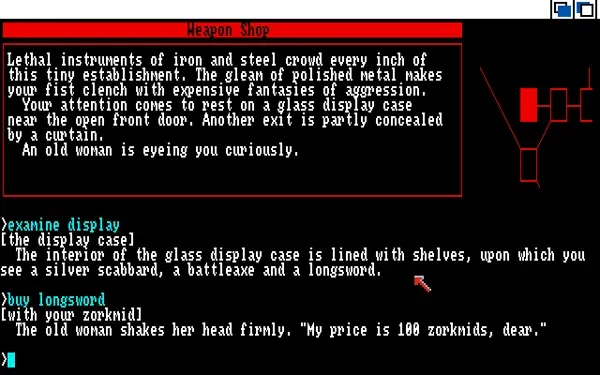
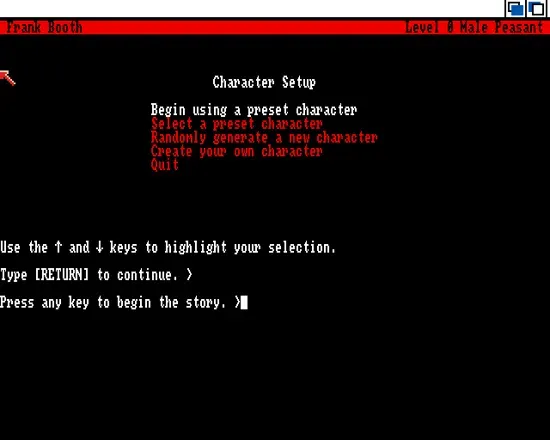
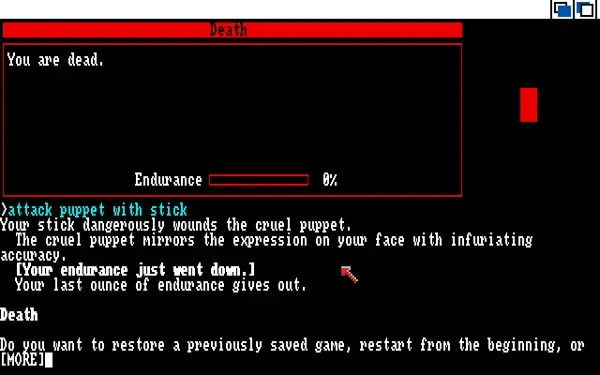
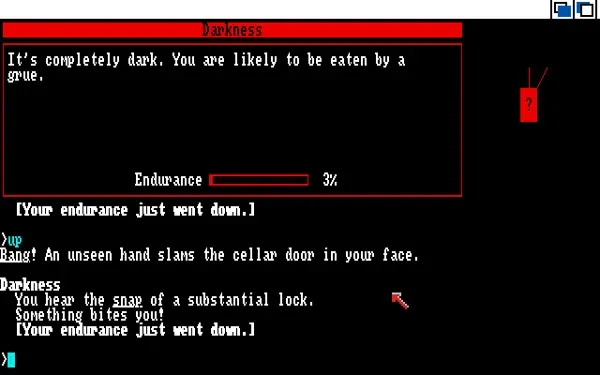
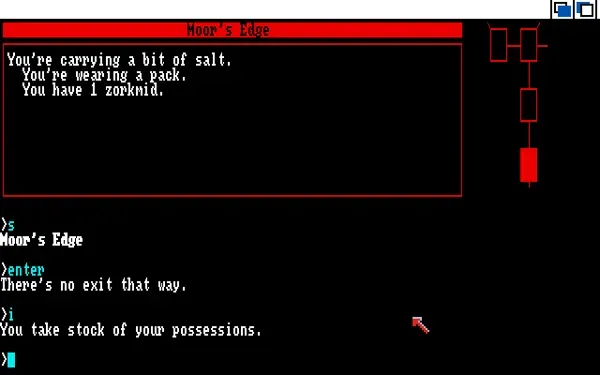
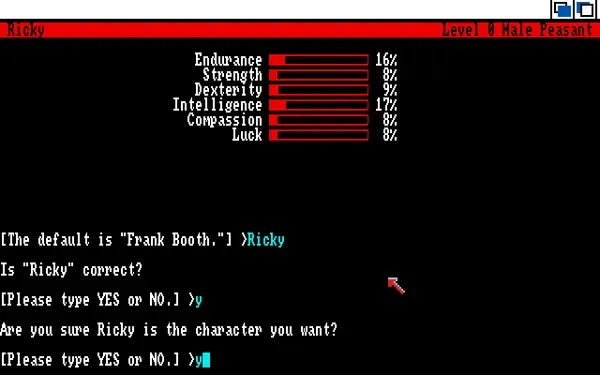
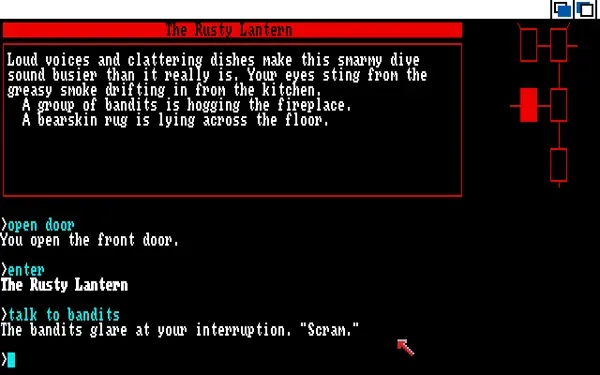
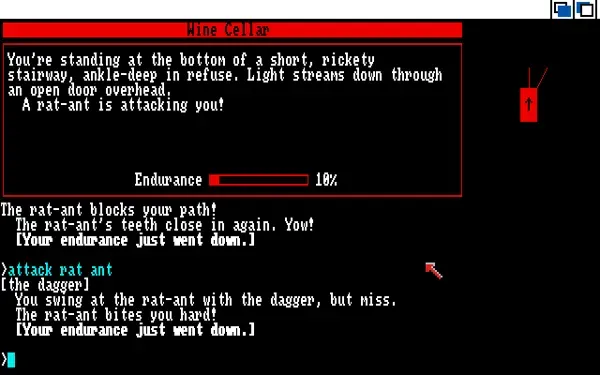
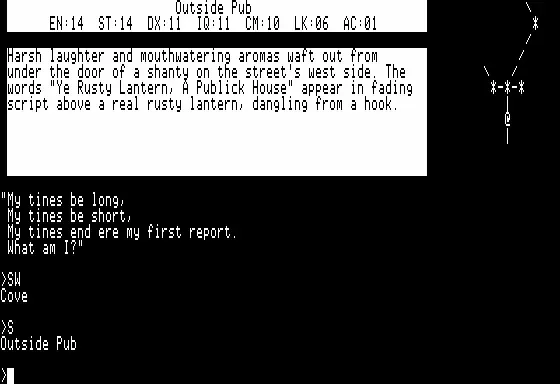
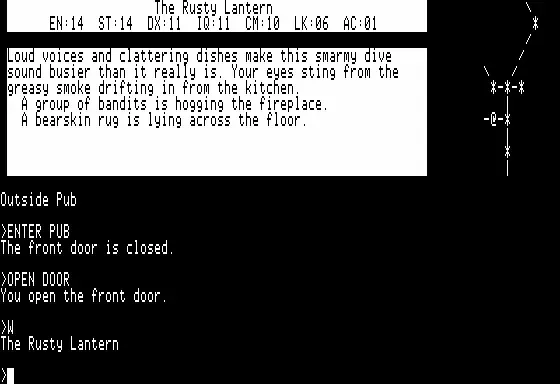
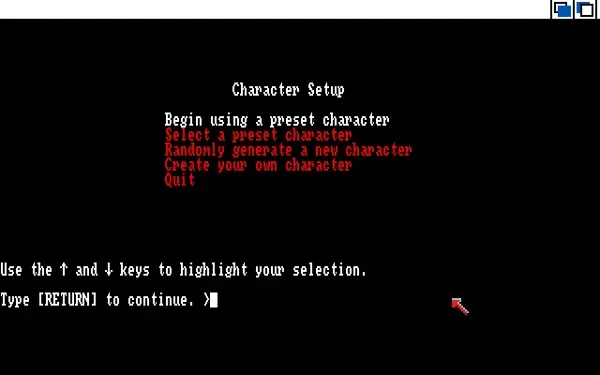
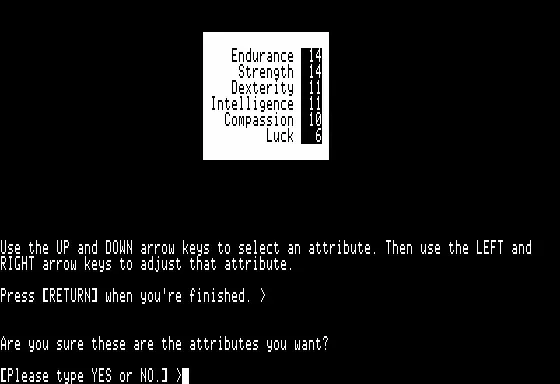
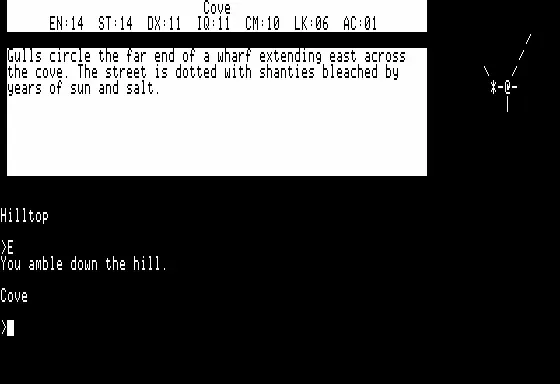
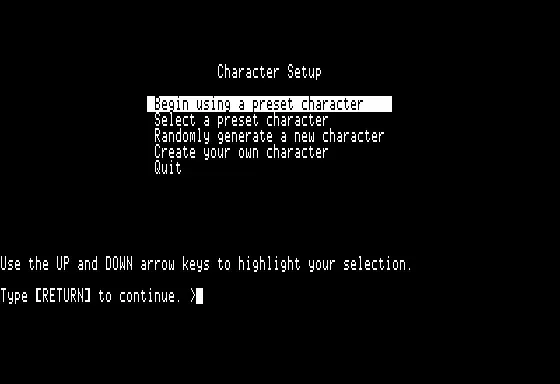
As an adventure game, it retains text parsing and puzzle solving, but adds character attributes, leveling, and combat systems that made it feel closer to a role-playing game than earlier Zork entries. Sources describe six player attributes, monster encounters, and a more structured progression model, marking a clear departure from Infocom’s pure parser adventures.
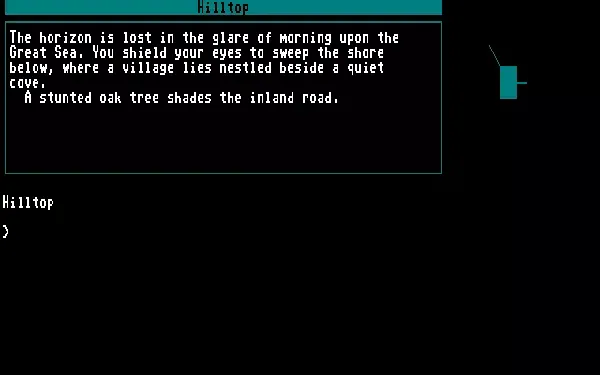
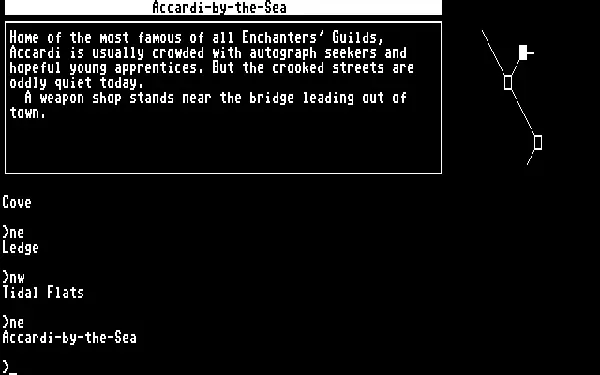
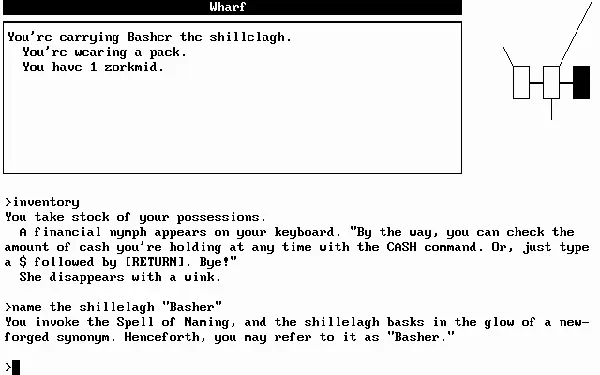
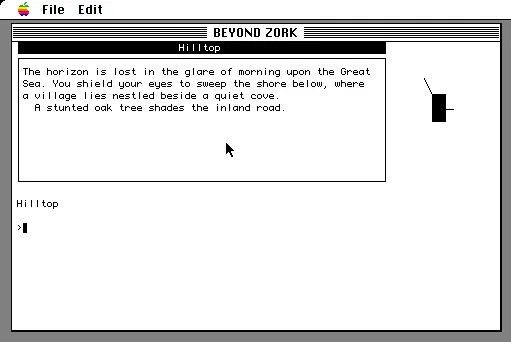
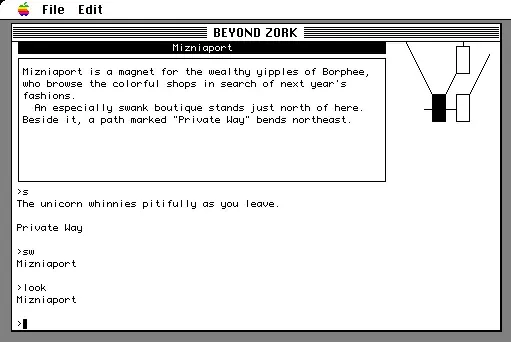
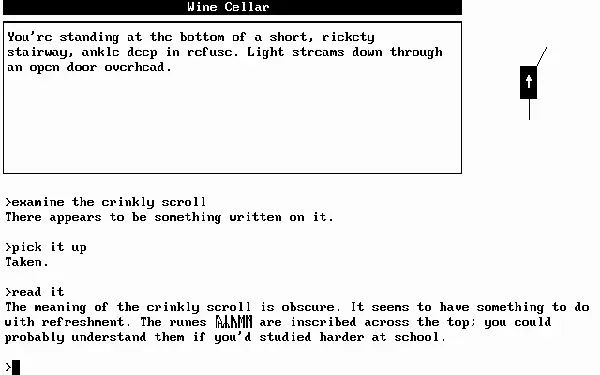
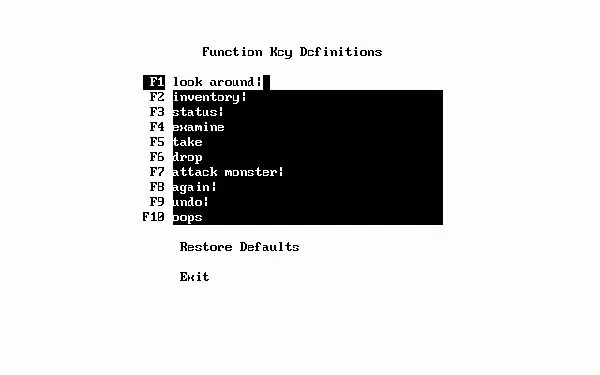
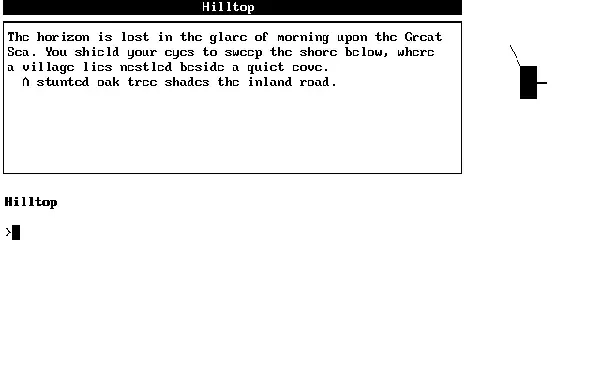
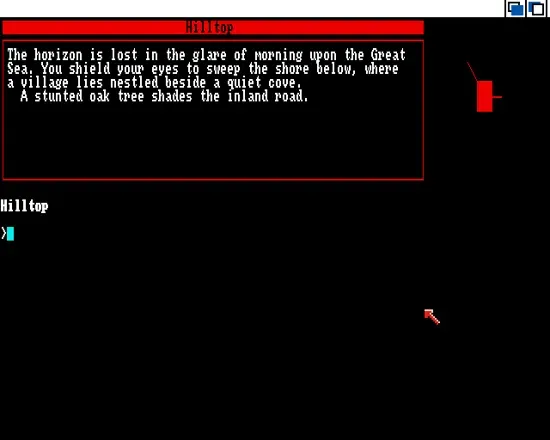
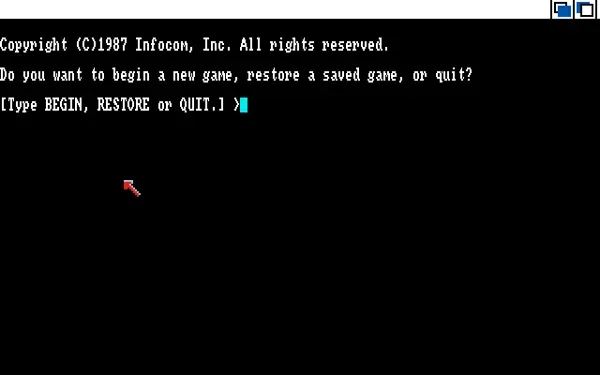
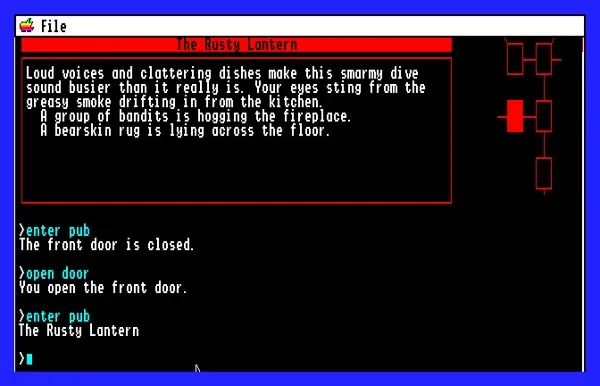
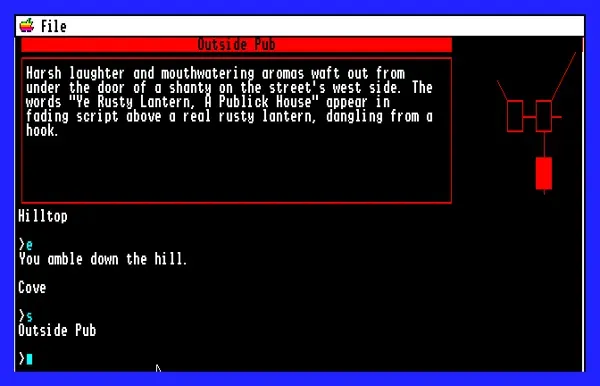
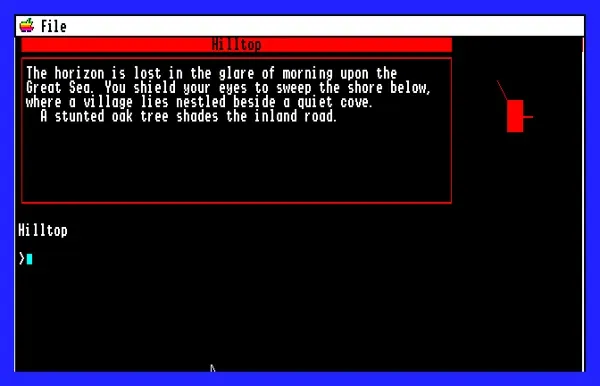
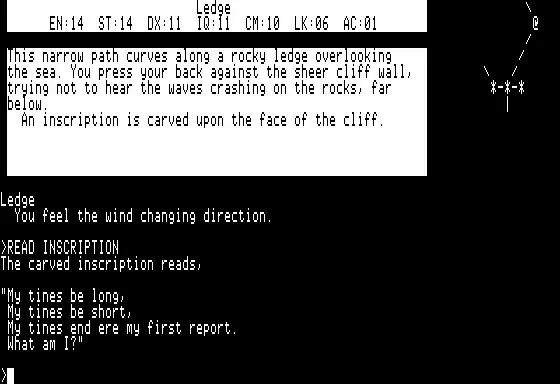
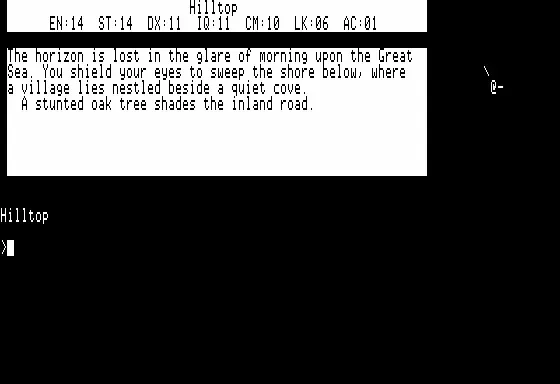
On DOS, the game used Infocom’s platform-independent Z-machine interpreter, which allowed the same story logic to be distributed across multiple computer families. Contemporary coverage notes that some features varied by system, but the DOS release still presented the classic Infocom text interface and, in line with the game’s broader release, supported the company’s illustrated materials and supplemental printed documentation.
Collector’s Value & Rarity
For collectors, the game is generally valued as a late, well-regarded Infocom title rather than a scarce obscurity, because it was released on several major platforms and documented broadly in contemporary magazines and later archives. Its appeal comes from significance within the Zork line, complete packaging, and status as one of the company’s more experimental and memorable fantasy releases.
Original boxed copies are most desirable when they include the full physical set: the game media, manual, the Southlands map, and the “Lore and Legends of Quendor” booklet. Because Infocom’s feelies are part of the game’s identity, incomplete copies typically carry less collector value than examples with all original inserts and packaging variants intact.