

Historical Context & Trivia
Zork II: The Wizard of Frobozz (1981) is one of the defining early commercial text adventures and a key chapter in the larger Zork lineage. It follows the first game’s success by expanding the Great Underground Empire into a more elaborate puzzle-driven fantasy world, with the Wizard of Frobozz replacing the earlier thief as the central antagonist. The title is widely recognized as part of the formative period when interactive fiction helped establish parser-based adventure design on home computers.
The game was developed by Infocom, with authorship credited in preservation sources to Marc Blank and Dave Lebling. Contemporary and retrospective sources also note that it was assembled from material cut during the earlier split of the original mainframe Zork into separate commercial releases, giving it a strong connection to the studio’s early design evolution and to Infocom’s growing control over its own distribution and branding.
Gameplay & Technical Features
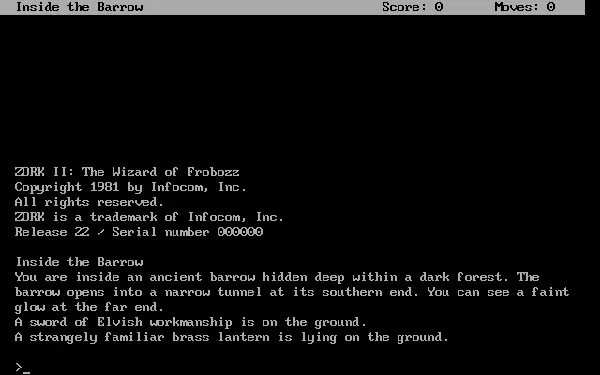
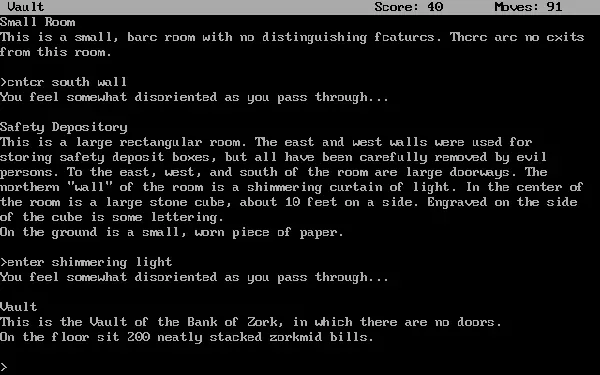
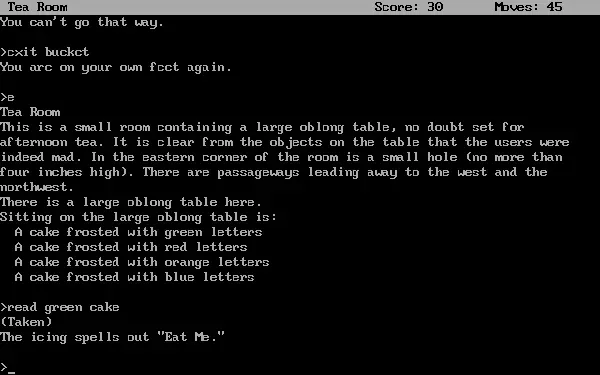
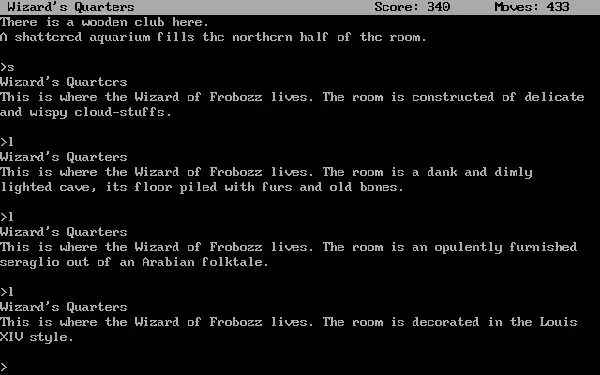
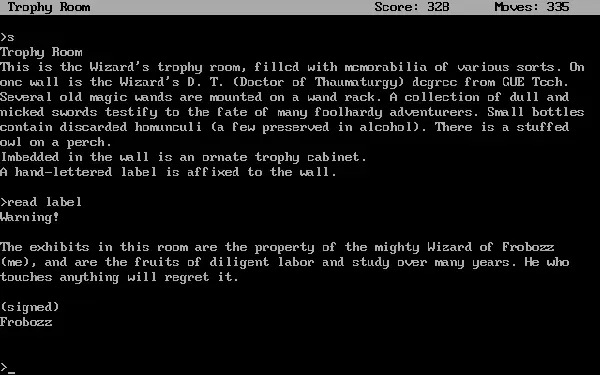
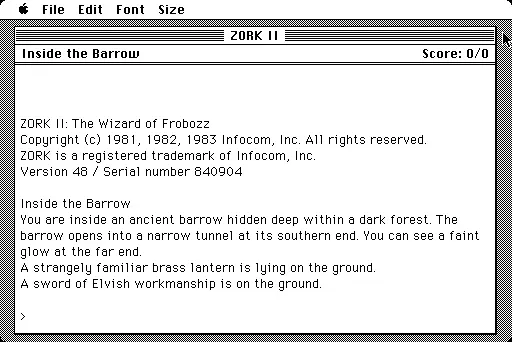
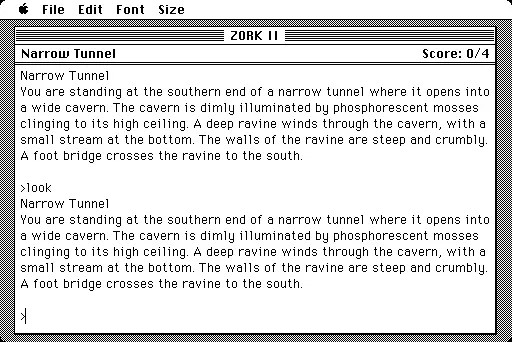
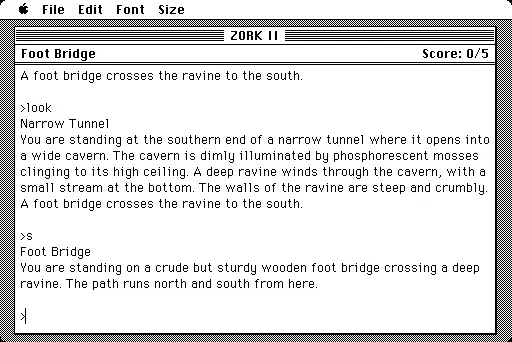
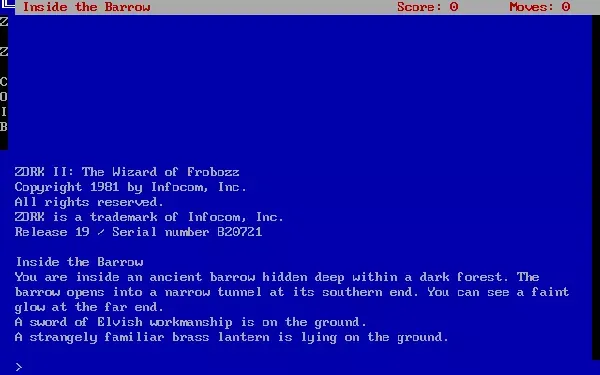
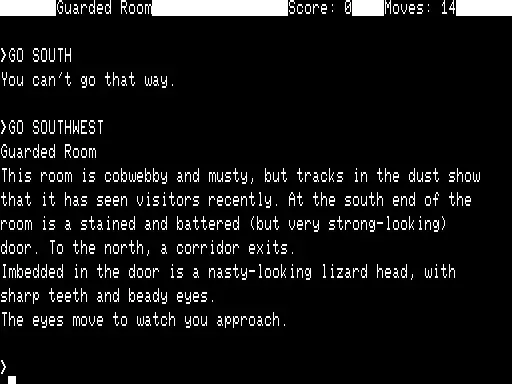
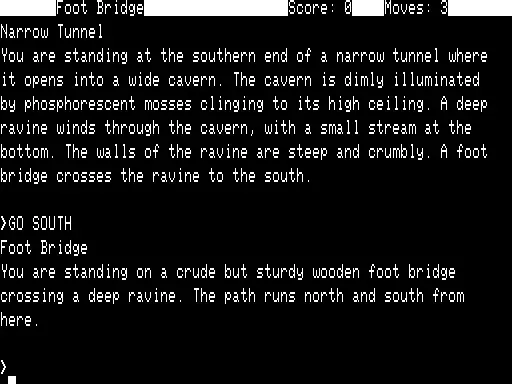
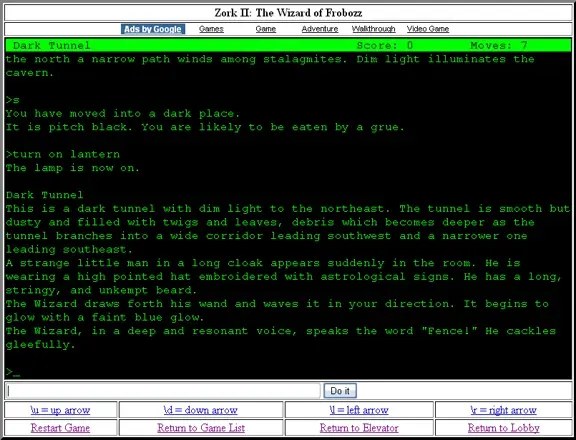
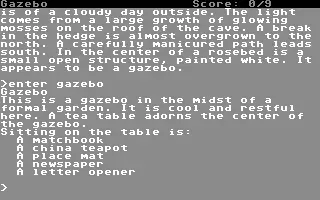
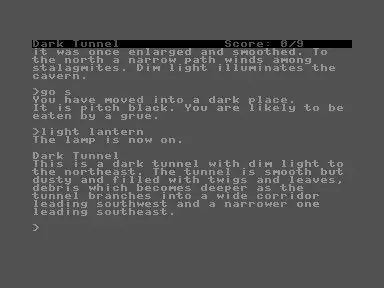
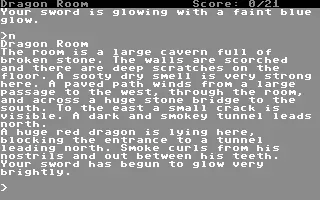
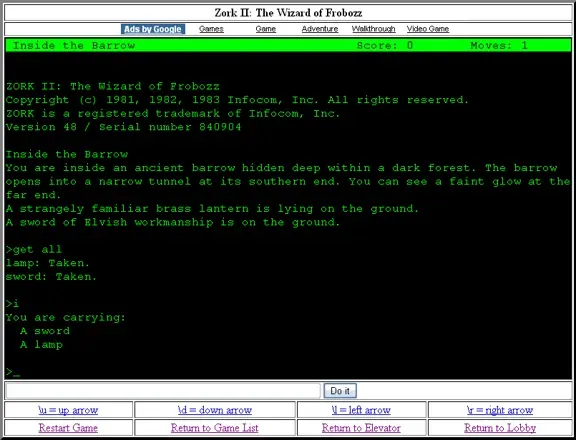
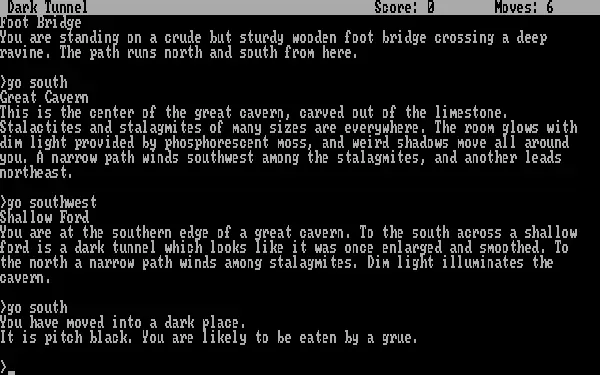
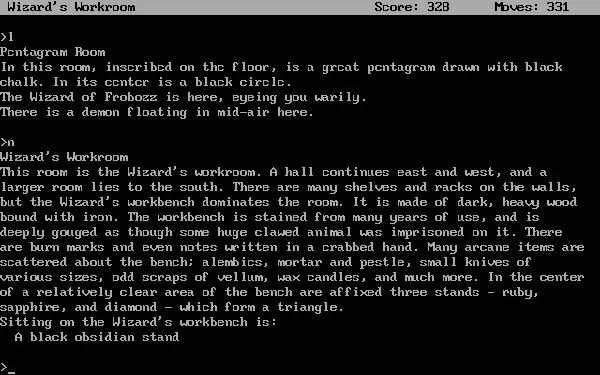
Zork II is a text adventure built around typed commands, inventory management, environmental puzzle-solving, and layered spatial exploration. Progress depends on understanding object interactions, deciphering cryptic room logic, and surviving a series of classic parser-era obstacles rather than on reflex action or visual feedback.
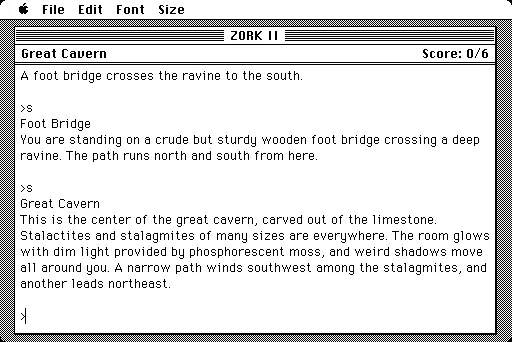
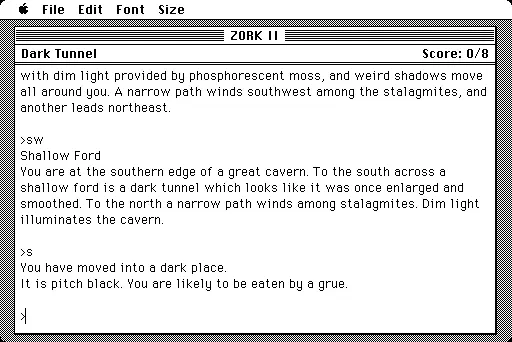
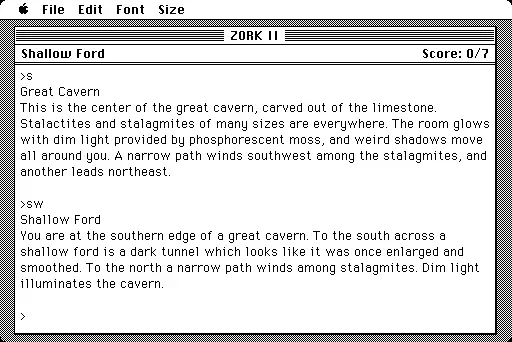
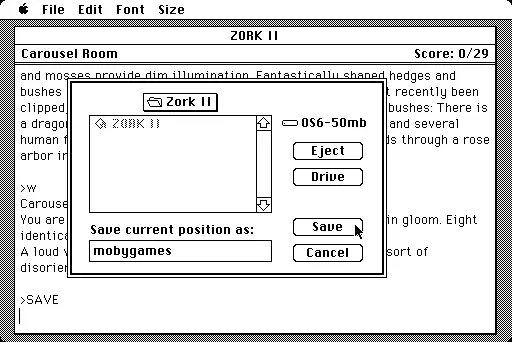
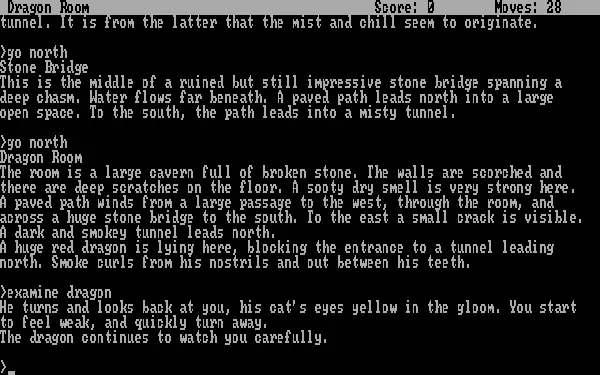
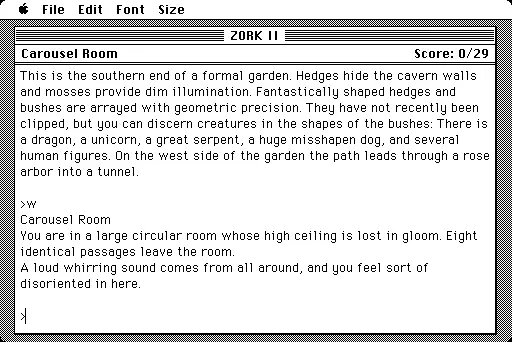
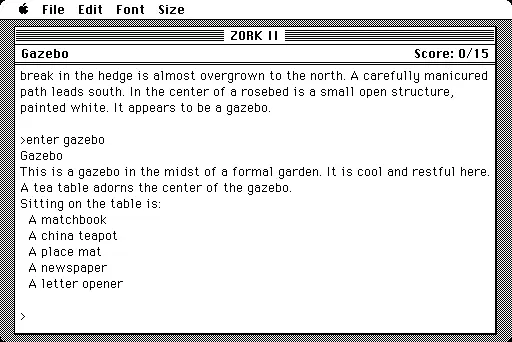
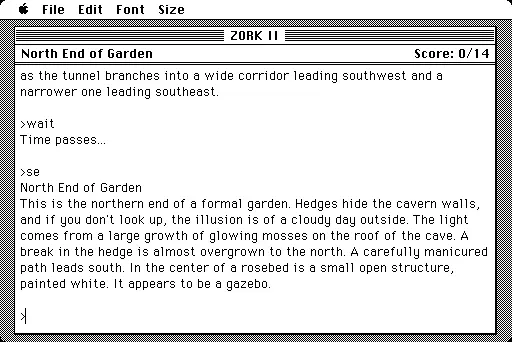
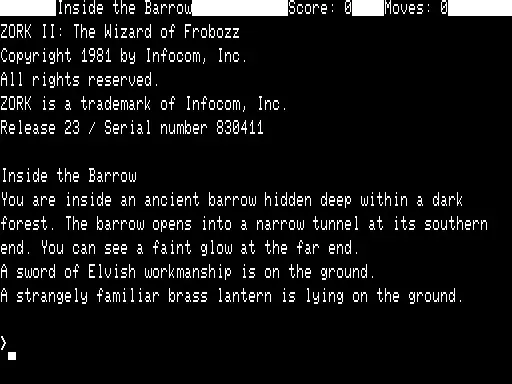
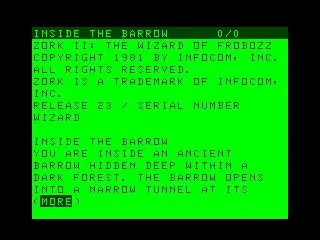
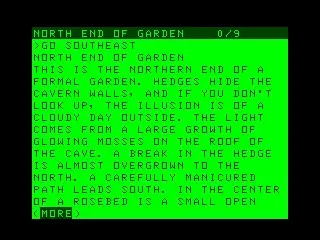
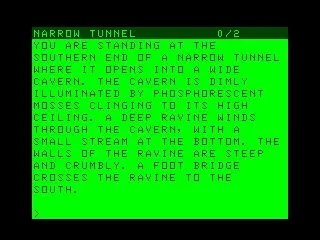
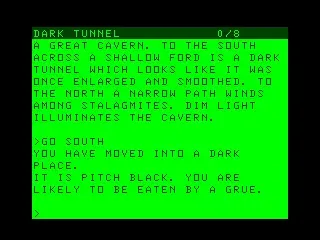
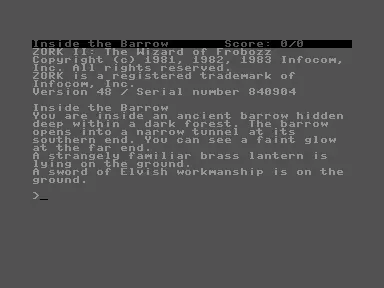
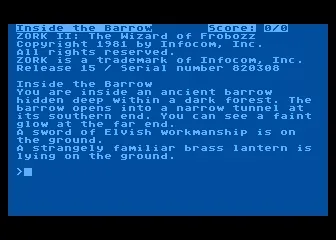
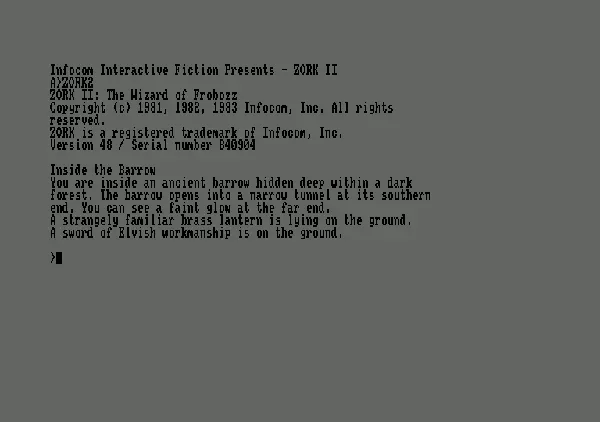
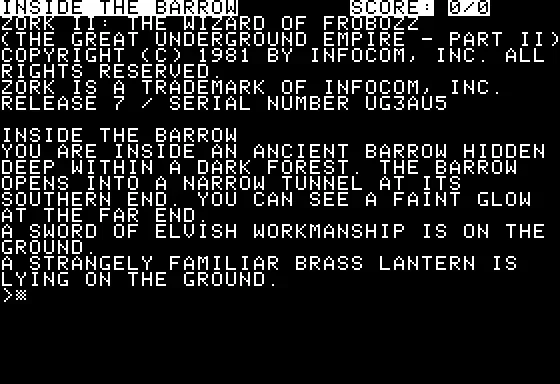
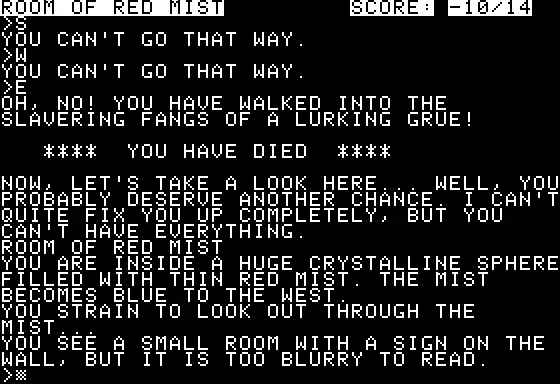
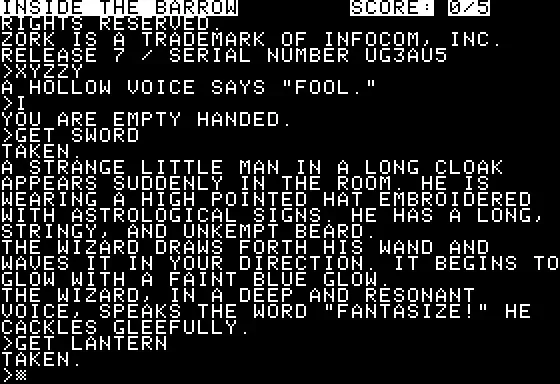
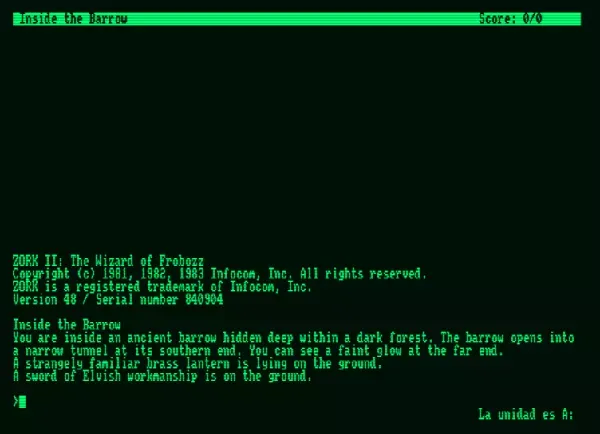
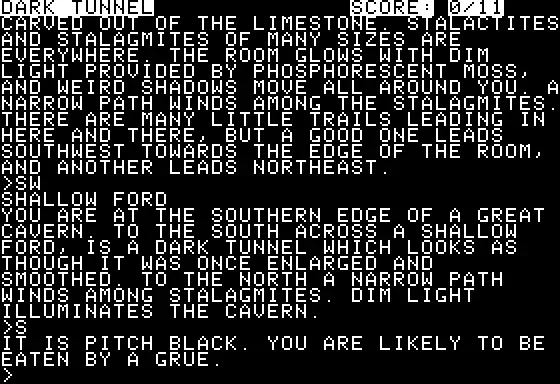
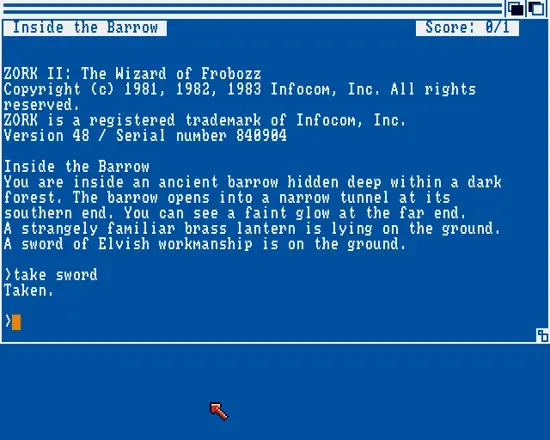
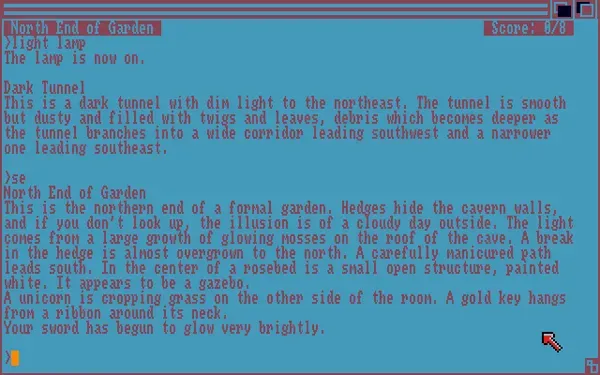
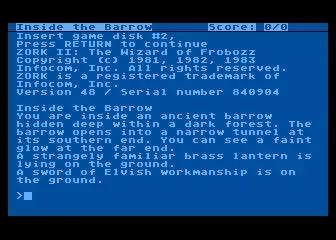
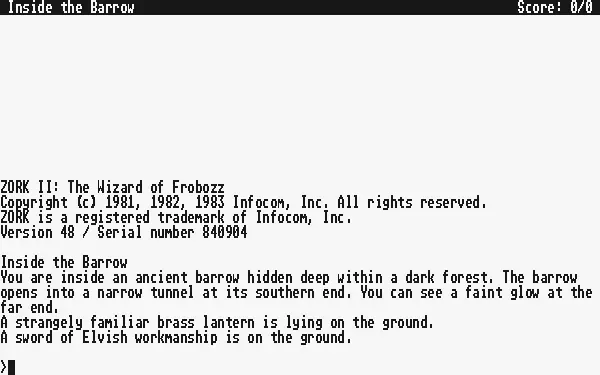
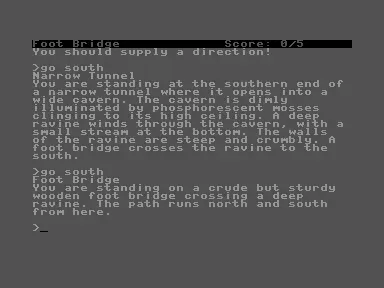
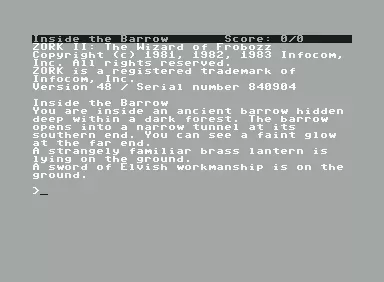
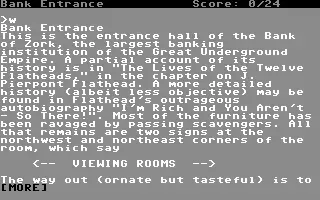
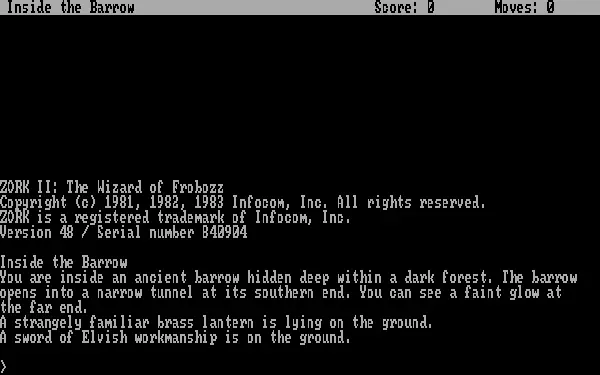
On the Apple II, the game is presented as a text-only interactive fiction experience, relying on the system’s keyboard input and character display rather than graphics. That minimal presentation was typical of early Infocom releases and allowed the game’s parser, prose, and puzzle structure to carry the entire experience across the platform ecosystem.
Collector’s Value & Rarity
As an early Infocom release and an important sequel in one of adventure gaming’s most influential franchises, Zork II: The Wizard of Frobozz is historically desirable to collectors, especially in complete and well-preserved form. Its value is tied less to visual spectacle than to its status within the earliest wave of commercial interactive fiction and to the broader significance of Infocom’s boxed releases.
Packaging details matter: period-correct copies may include the original documentation and Infocom collateral that framed the game as a premium text product, and those paper components can be as important as the disk itself. Because Apple II software often survived in mixed-condition copies, complete sets with manuals and original packaging are generally more sought after than loose media, especially for an early 1981 release.