

Historical Context & Trivia
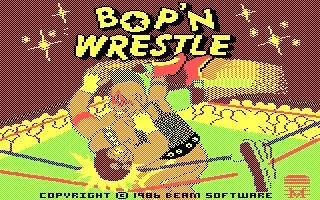
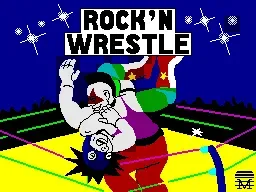
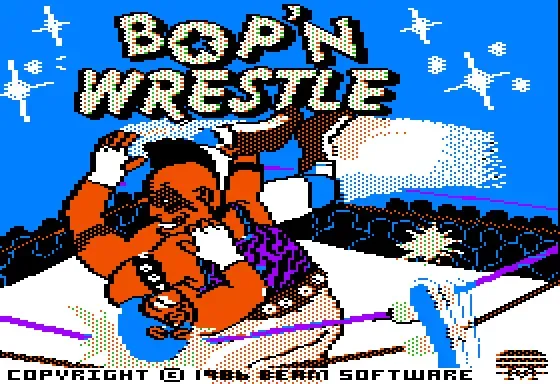
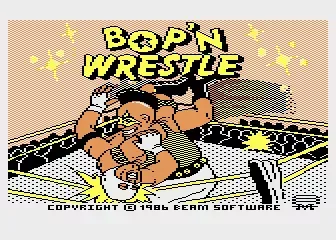
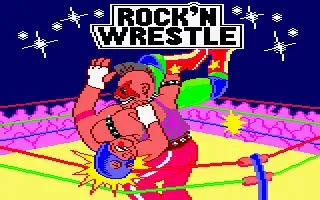
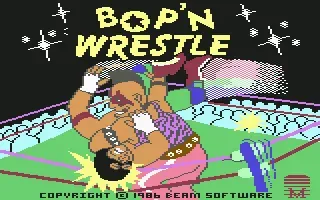
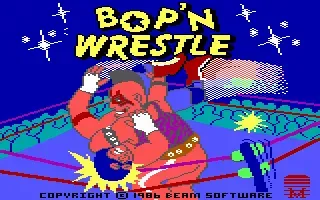
Bop’N Wrestle, originally titled Rock’n Wrestle in its 1985 European debut, stands as a pioneering entry in the Commodore 64 library of Sports games. Released in 1985 for the ZX Spectrum and Amstrad before hitting the Commodore 64 in 1986 under the US title, the game is widely recognized by historians as potentially the first wrestling game developed specifically for home computers, marking a significant moment in classic gaming evolution.
The game was developed by Beam Software Pty., Ltd. (also known as Beam Software) and initially published by Melbourne House in Australia and Europe, while the North American release was handled by Mindscape, Inc. and later Firebird Software. Notably, the protagonist, a generic blonde wrestler named Gorgeous Greg, was a direct nod to Gregg Barnett, the lead programmer and graphics artist, reflecting a charming personal touch common in early software development.
Gameplay & Technical Features
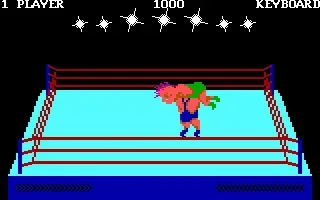
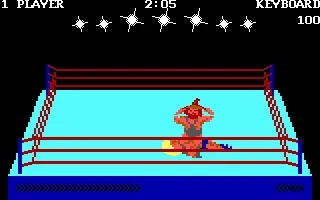
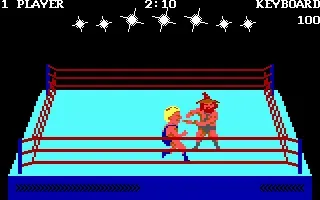
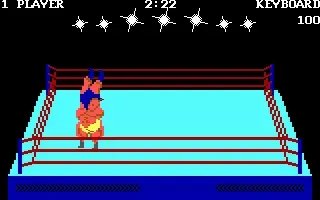
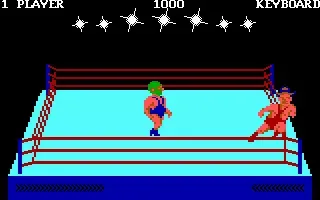
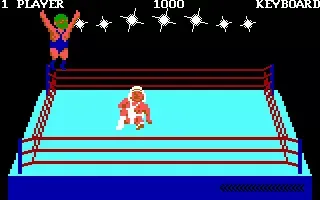
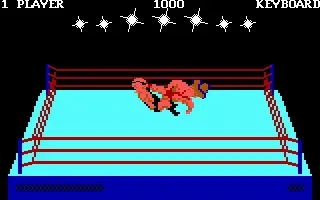
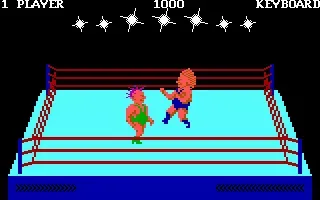
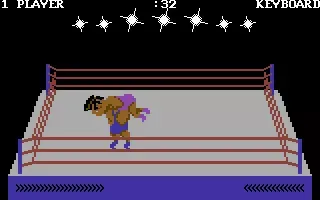
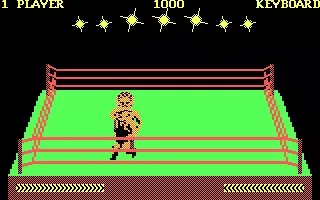
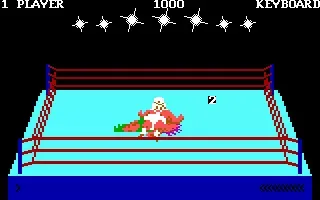
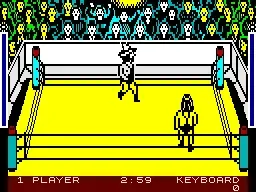
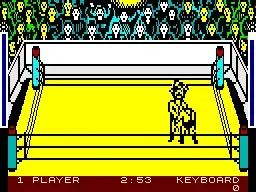
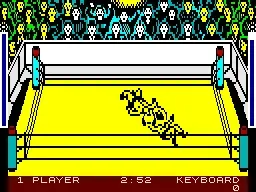
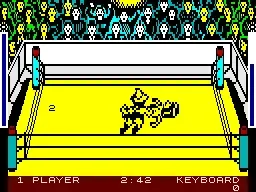
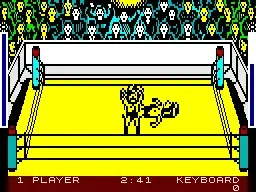
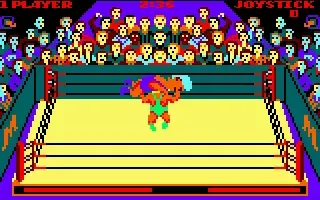
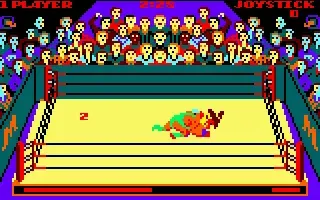
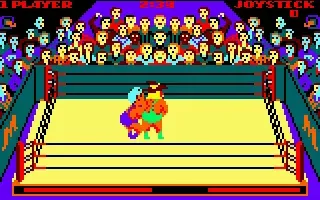
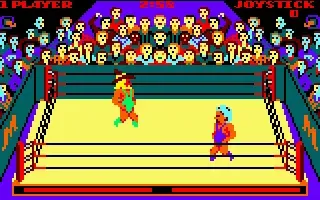
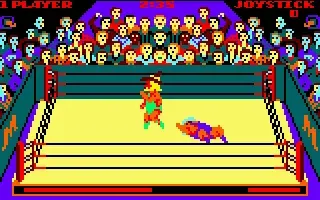
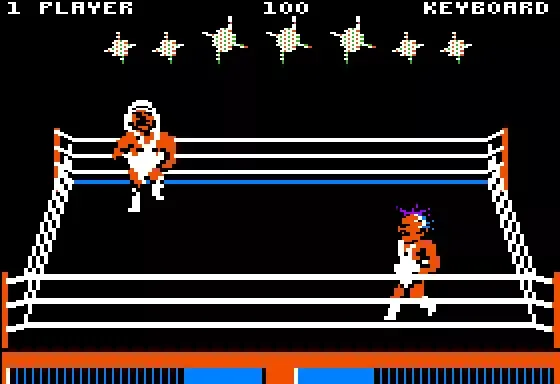
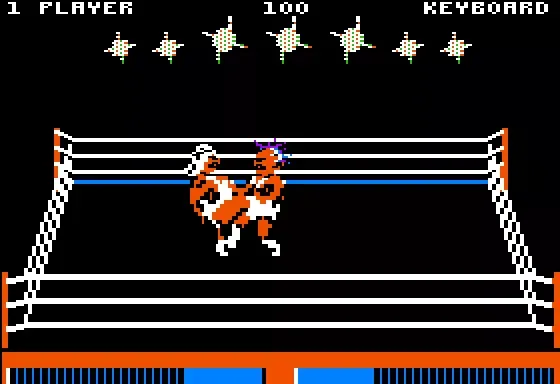
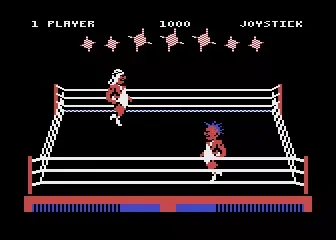
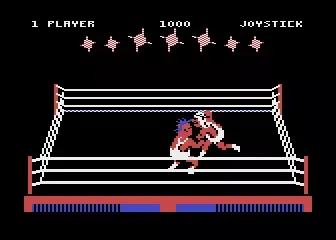
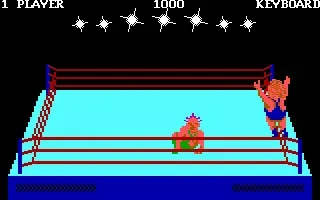
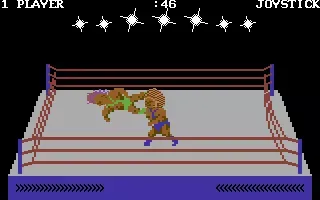
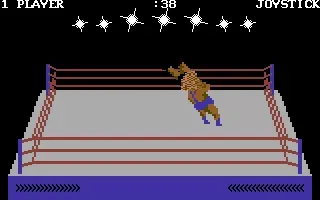
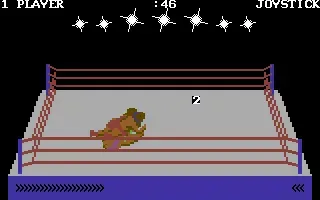
As a Sports title focused on professional wrestling, Bop’N Wrestle introduced a sophisticated grapple system and was marketed as the first “3D combat sports game,” allowing players to move up, down, left, and right within a single-screen arena to avoid opponents. The gameplay supports both single-player and two-player modes, with the single-player campaign featuring a sequence of 10 opponents that players must defeat to claim the World Championship Belt, utilizing moves like body slams, elbow drops, and flying tackles.
Technically, the game showcased advanced features for the Commodore 64 ecosystem, including digitized sound effects and rope physics that added realism to the wrestling mechanics. The visual presentation, while constrained by 1985 hardware limitations, effectively captured the essence of the sport, and the audio framework provided an immersive experience that complemented the fast-paced action of the arena.
Collector’s Value & Rarity
In the current market, Bop’N Wrestle holds moderate value for collectors of Commodore 64 sports games, particularly due to its status as an early example of home computer wrestling and its unique “3D” movement mechanics. While not as rare as some obscure 8-bit titles, the original releases by Melbourne House and Mindscape are sought after by enthusiasts of classic gaming history, especially those interested in the transition from arcade to home console wrestling.
Collectors should note the existence of distinct packaging variants, including the original Rock’n Wrestle release for the European market and the Bop’N Wrestle version for the US market, which often feature different cover art and branding. Essential physical collateral elements include the original instruction manuals, which detail the unique control schemes and match types, as well as the original disk cases, which serve as key identifiers for authentic copies of this historic title.