




Historical Context & Trivia
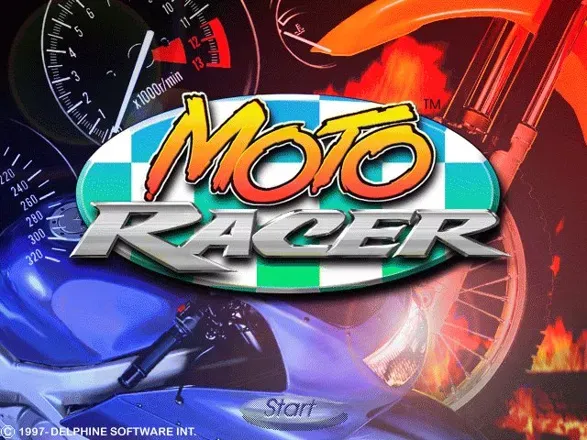
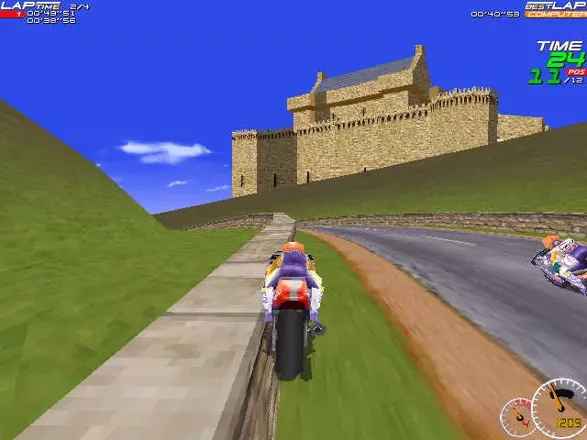
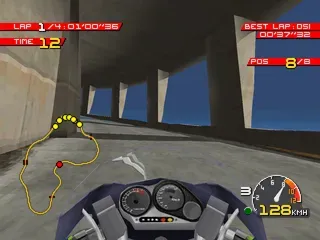
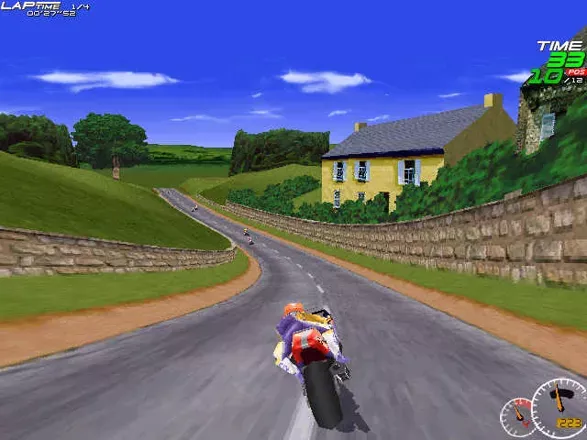
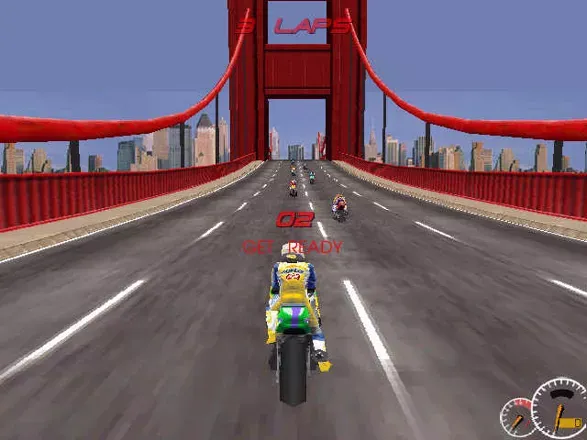
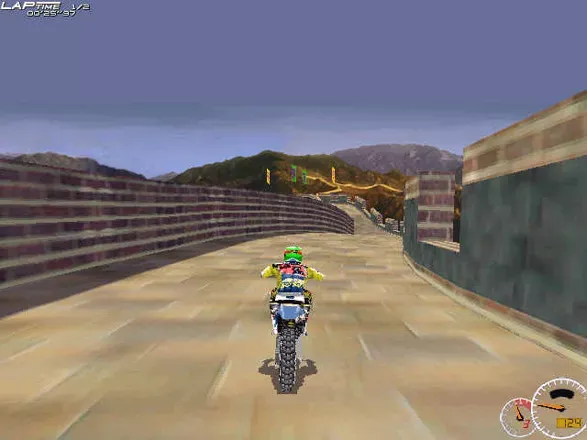
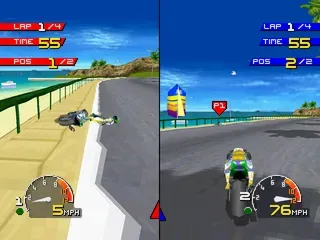
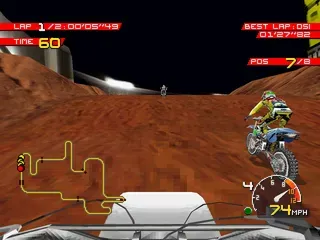
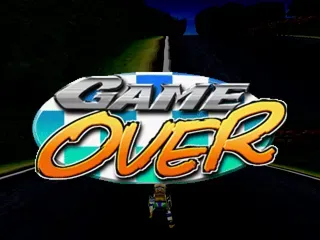
Moto Racer (1997) is a well-known arcade-style motorcycle racer from Delphine Software International, published on Windows by Electronic Arts. Contemporary coverage and later retrospectives consistently describe it as one of the standout PC motorcycle racers of the era, with a strong reputation for blending speed, spectacle, and immediate playability.
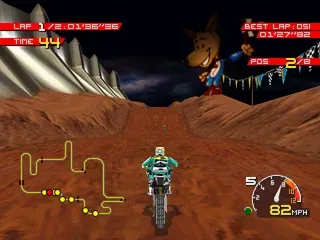
The title arrived during a period when PC racing games were increasingly competing with console-style arcade design, and it was widely noted for offering both street-bike and motocross racing in one package. Sources also indicate the game shipped in 1997 on Windows, with later visibility across review sites, retro coverage, and database entries reinforcing its status as a recognizable Delphine release rather than a minor experimental title.
Gameplay & Technical Features
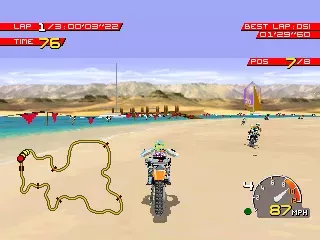
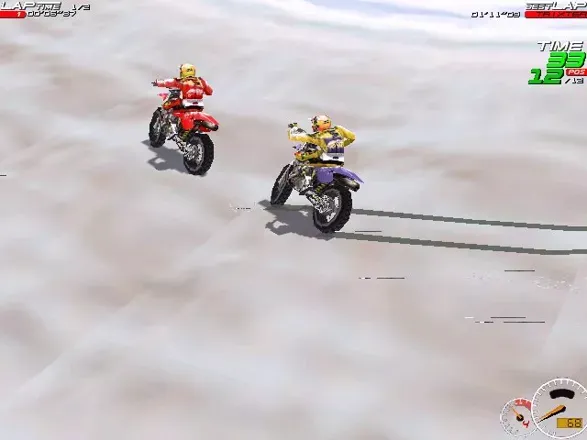
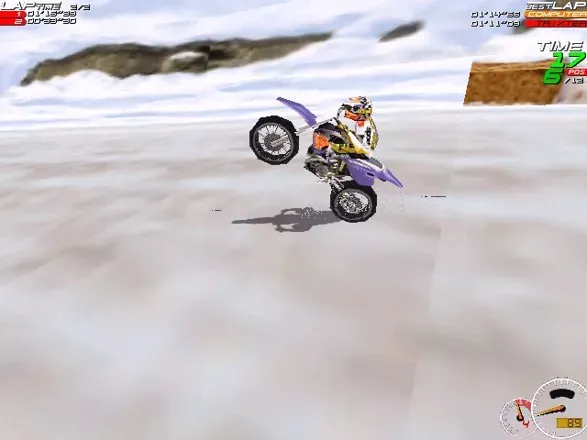
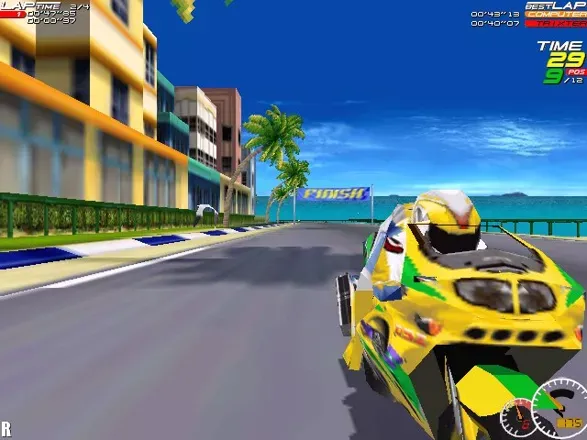
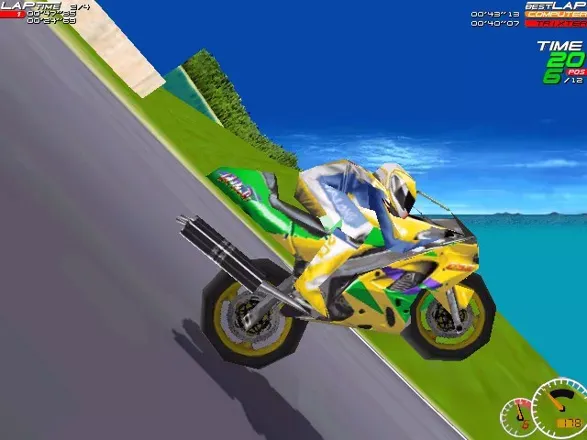
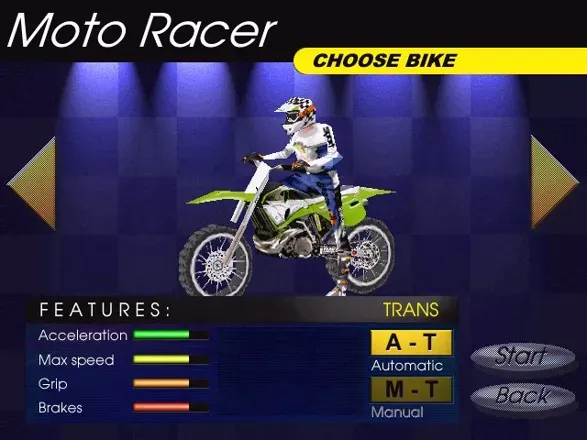
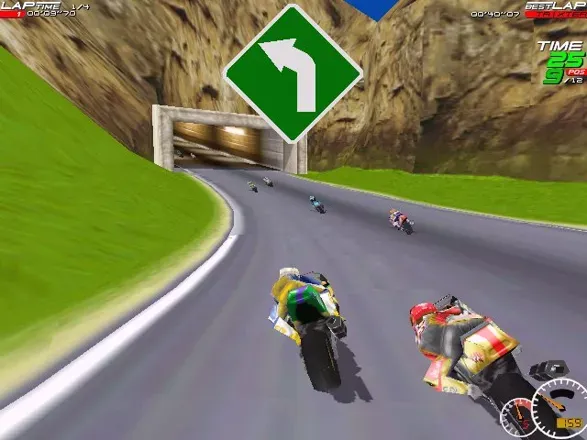
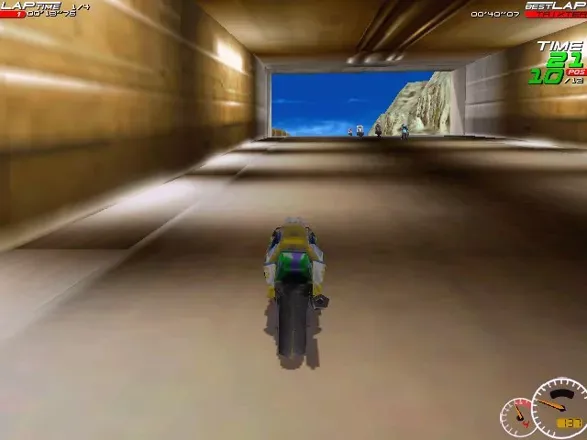
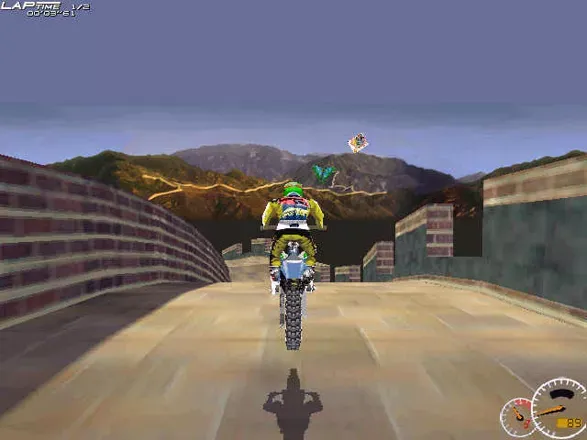
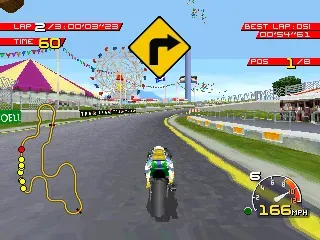
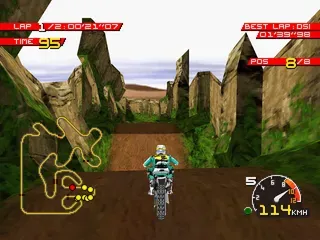
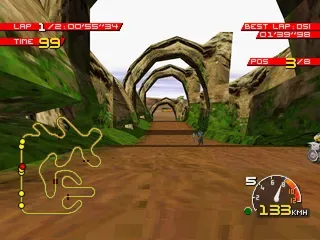
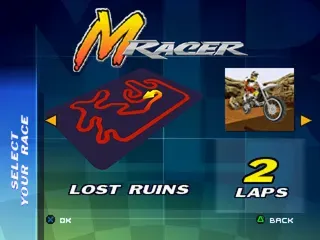
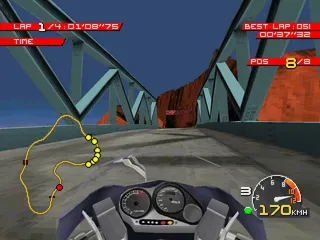
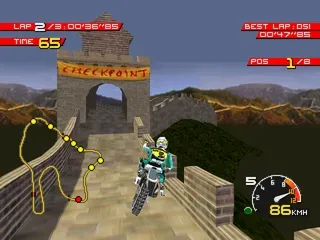
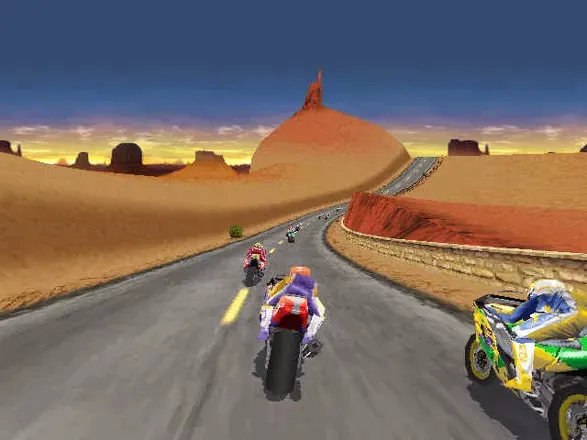
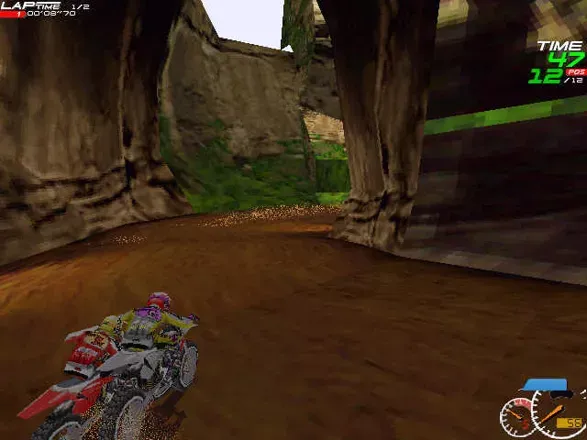
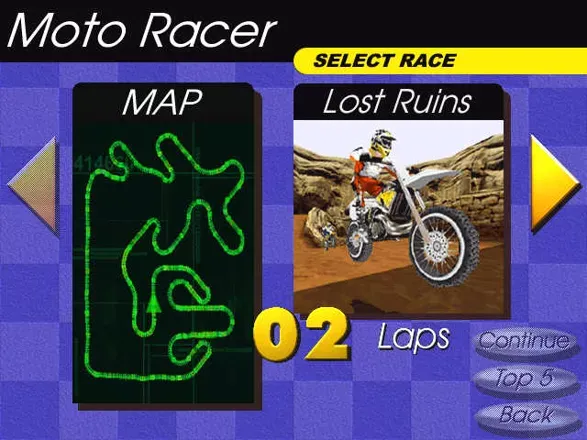
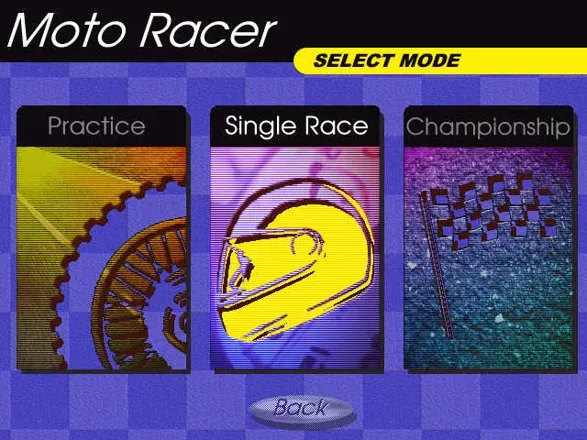
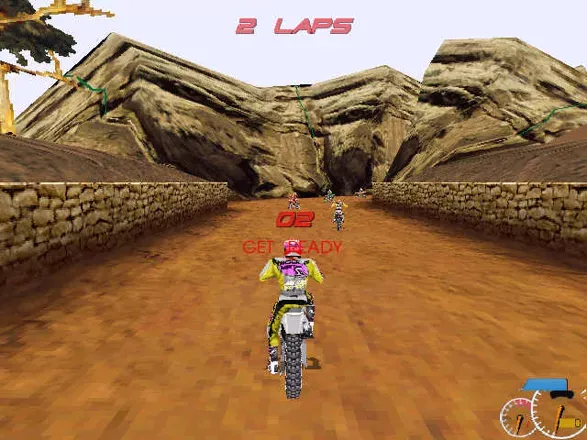
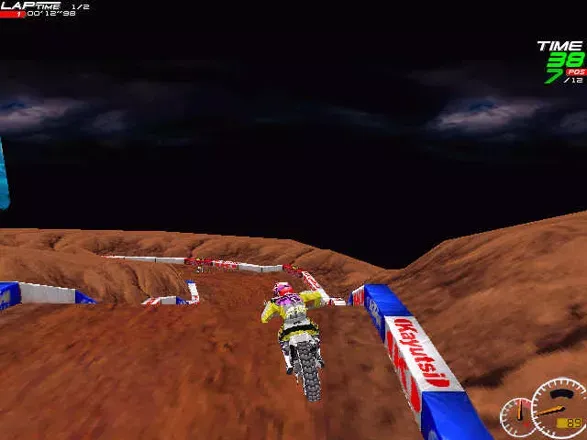
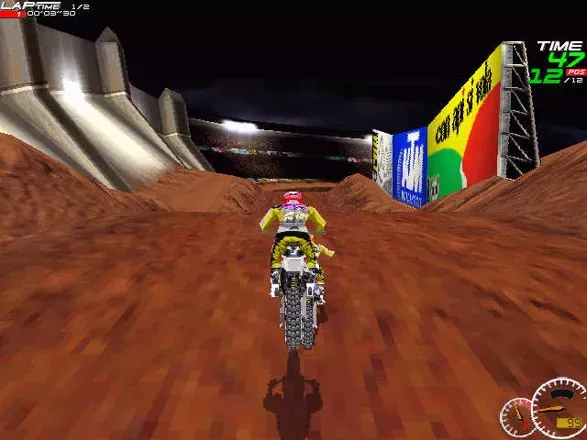
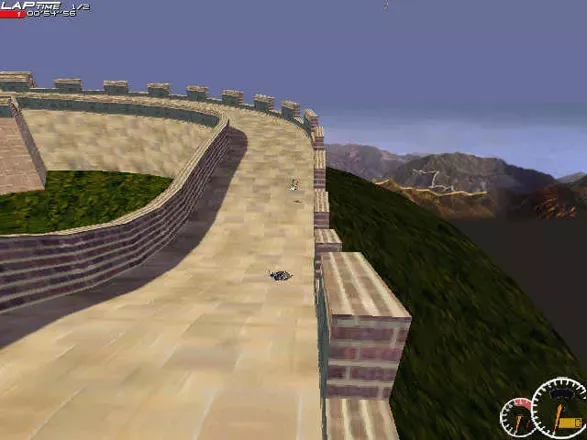
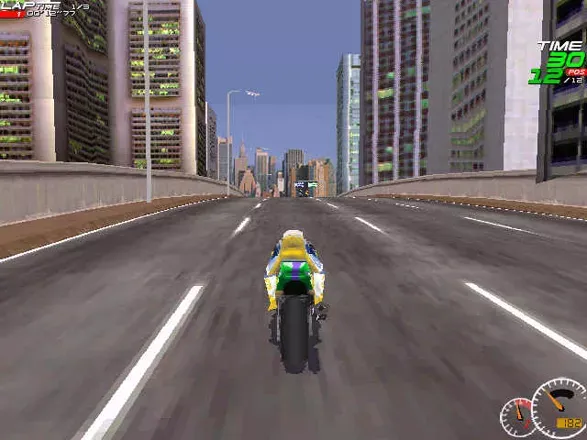
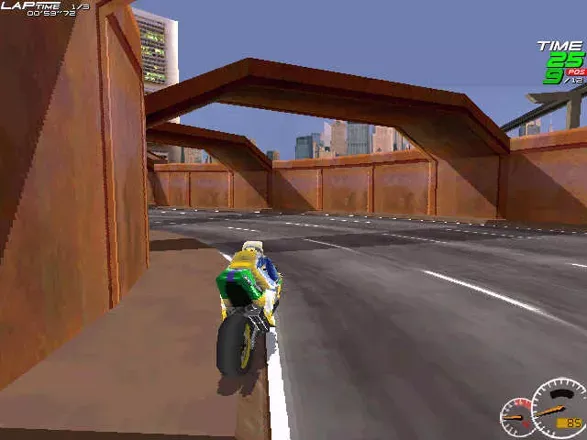
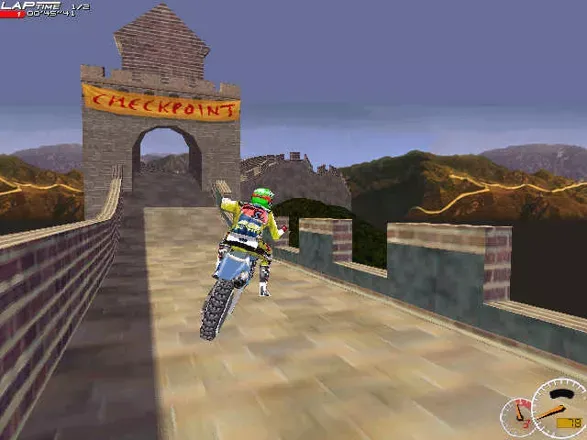
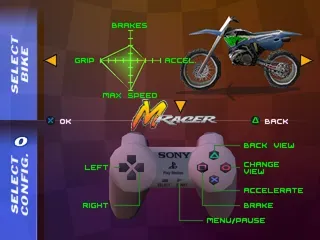
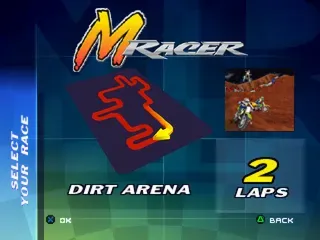
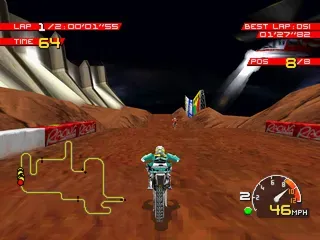
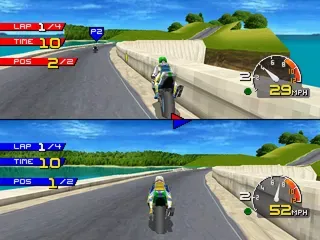
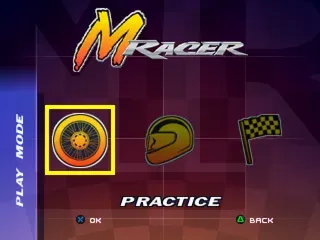
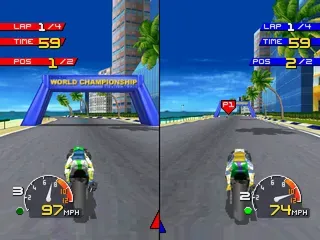
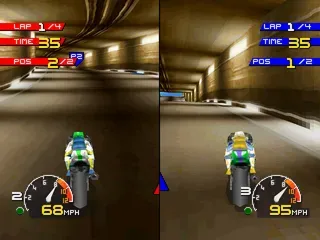
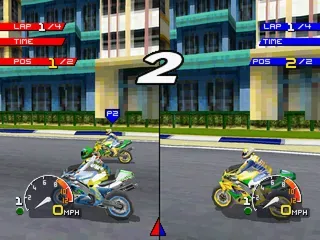
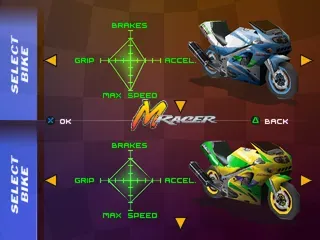
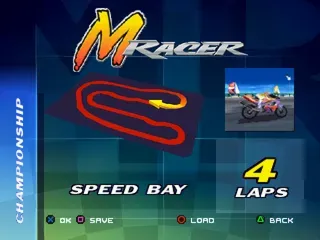
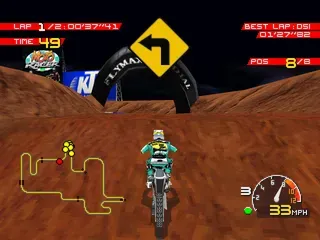
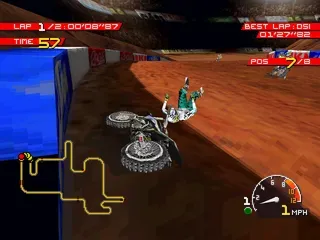
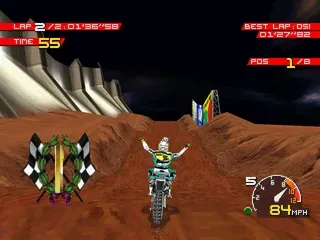
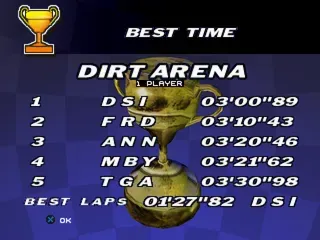
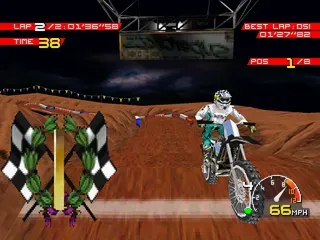
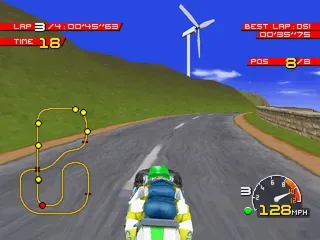
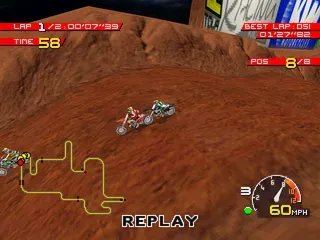
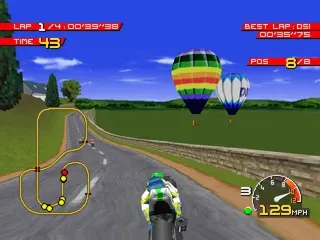
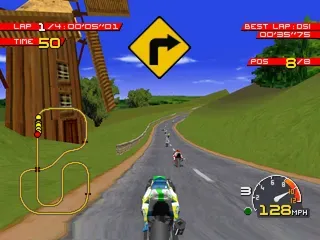
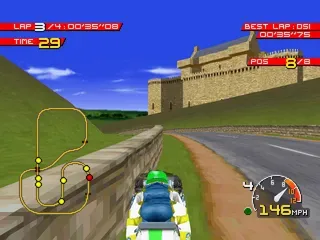
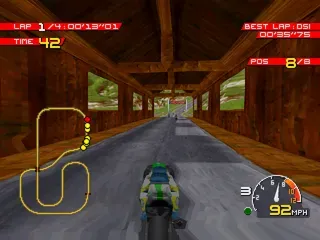
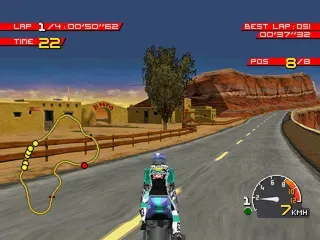
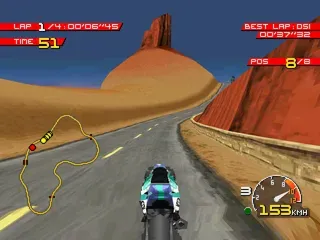
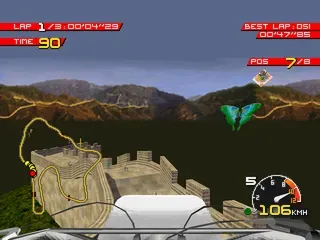
Moto Racer centers on fast, accessible racing with two distinct bike styles: road superbikes and dirt motocross machines. Database and review sources describe modes such as practice, time attack, single race, and championship play, along with multiplayer support, while video review commentary highlights simple controls and arcade-first handling.
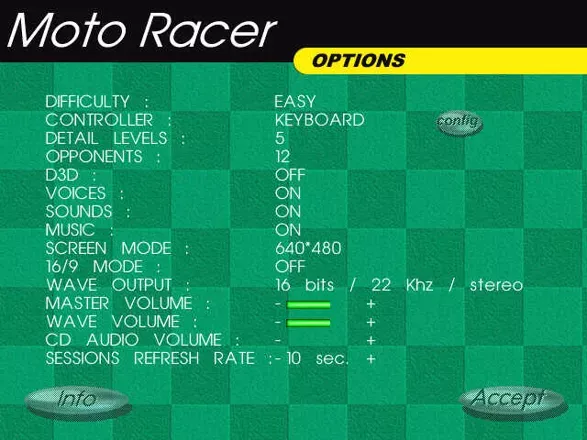
On Windows, the game is especially associated with early Direct3D support, which was highlighted as one of its main technical improvements for the platform. Coverage also notes modest system requirements for the time, including a Pentium-class CPU, 16 MB of RAM, and Windows 95 compatibility, reflecting a mid-1990s PC racer built to showcase emerging 3D acceleration.
Collector’s Value & Rarity
Moto Racer is not generally treated as a rare collector-only obscurity; rather, it is a preserved mid-1990s PC racer with steady documentation and broad recognition among retro game fans. Its market interest is driven more by nostalgia, the game’s reputation, and platform-era significance than by extreme scarcity alone.
Known release information points to standard PC retail distribution, with later references also noting a Matrox Mystique enhanced OEM edition that used an optimized renderer for early 3D accelerator hardware. In preservation terms, the game is better known through its boxed Windows releases and regional publication history than through unusual packaging variants or highly specialized physical collateral.