


Historical Context & Trivia
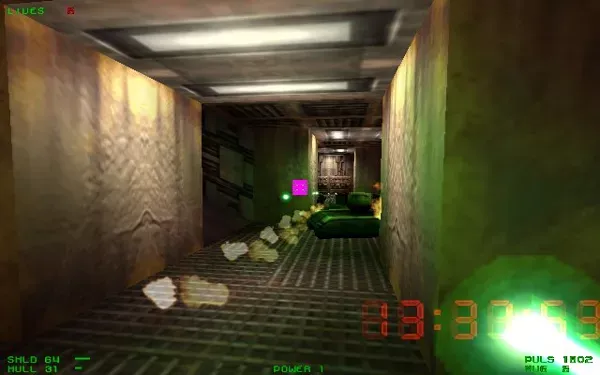
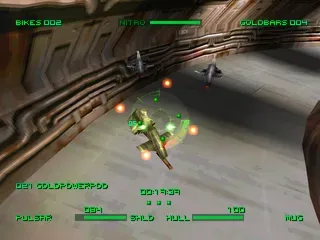
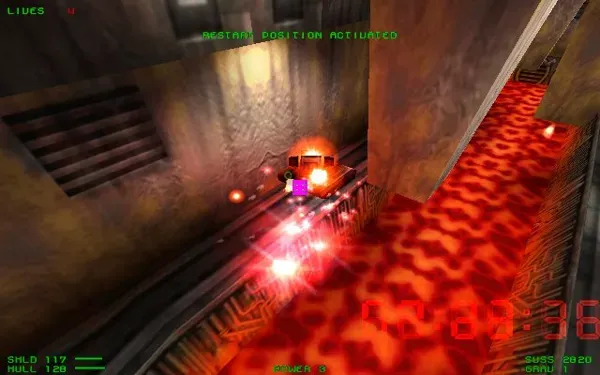
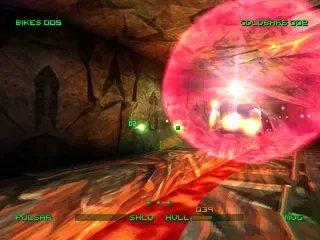
Forsaken (1998) is a late-1990s 3D sci-fi shooter built around zero-gravity traversal and underground combat, placing it squarely in the era of “Descent-style” six-degrees-of-freedom action. Its premise of scavengers raiding a ruined Earth for resources gives it a distinct post-apocalyptic tone, but the game is remembered more for its movement model and arena-style firefights than for narrative complexity.
Probe Entertainment Ltd. developed the Windows version, while Acclaim Entertainment, Inc. handled publishing, and the title also appeared on other platforms in the same release window. Contemporary coverage repeatedly framed it as a spiritual cousin to Descent, with reviewers highlighting its fast-moving 360-degree combat and spectacle-driven presentation.
Gameplay & Technical Features
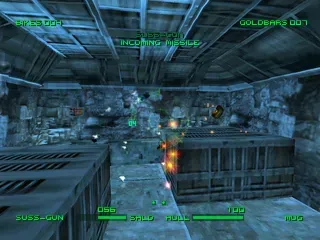
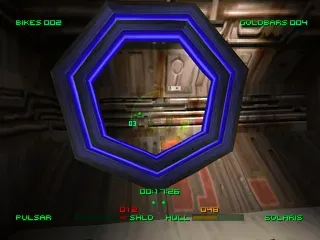
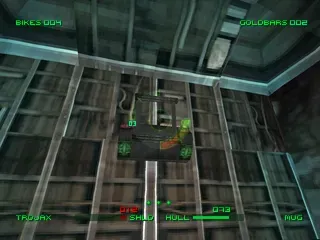
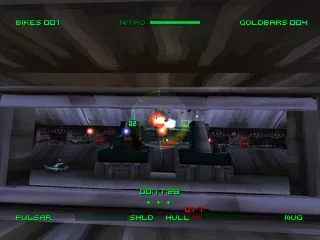
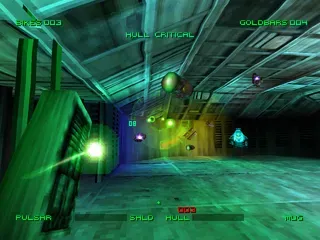
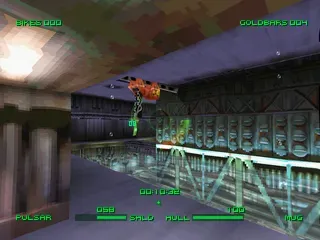
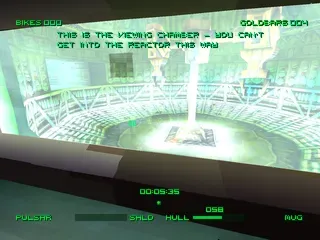
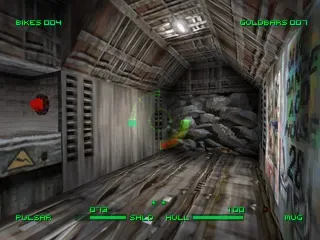
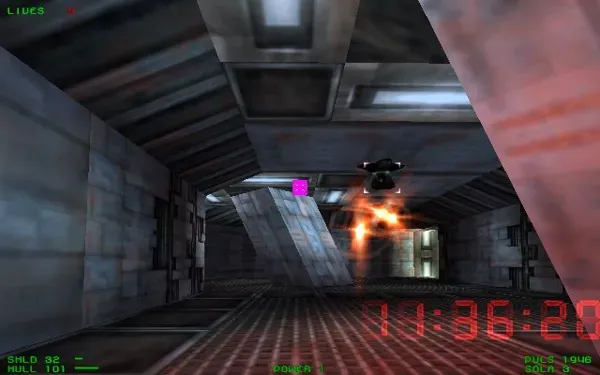
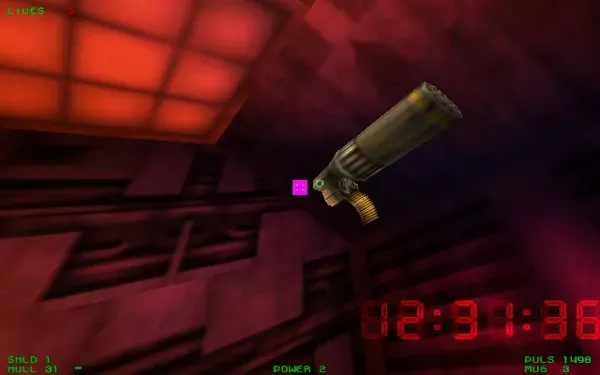
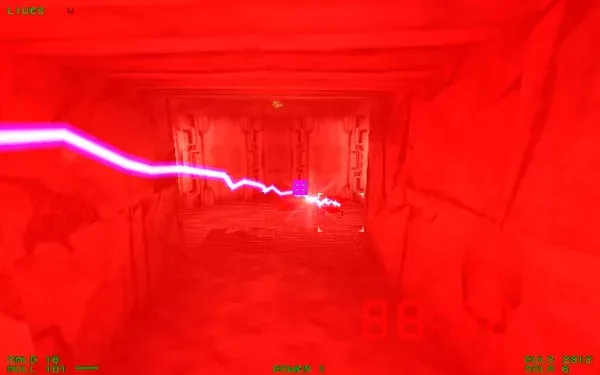
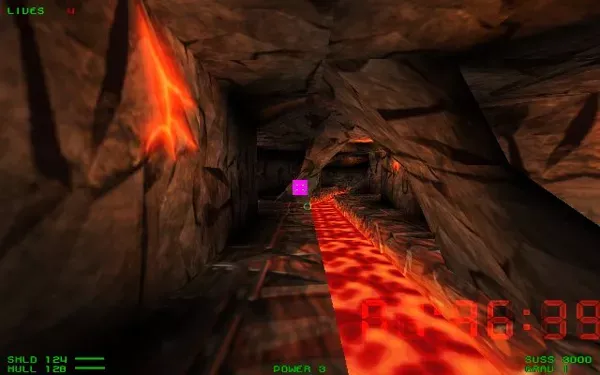
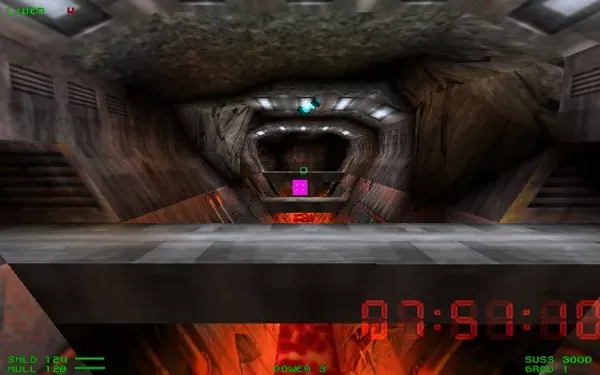
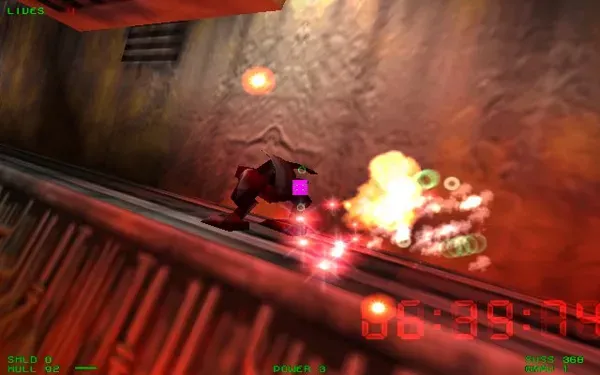
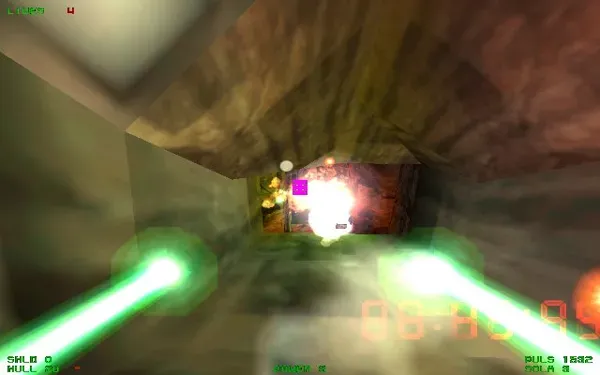
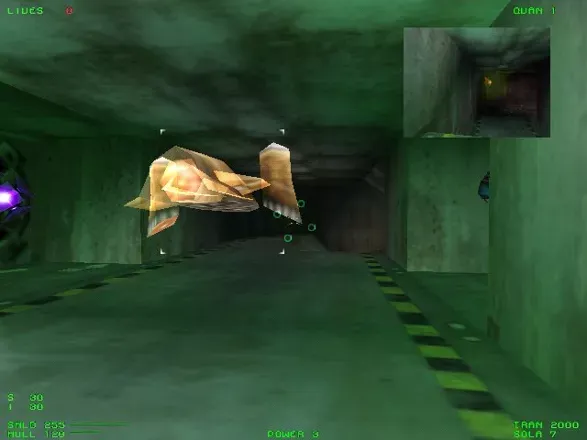
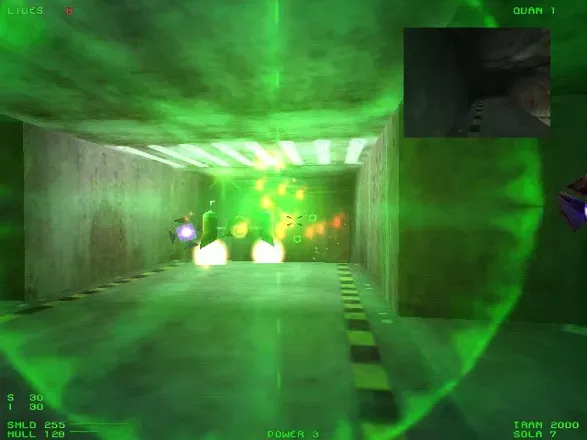
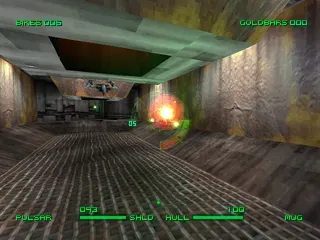
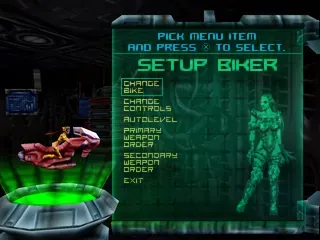
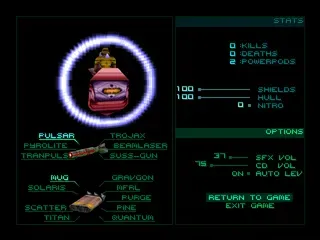
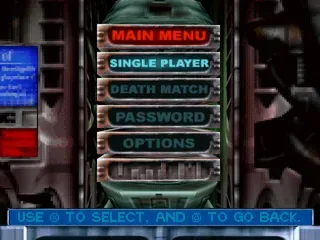
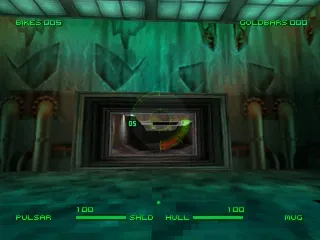
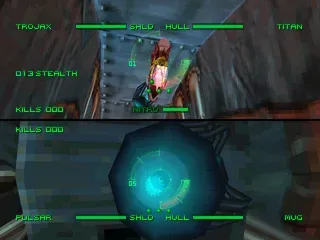
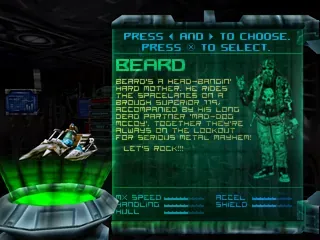
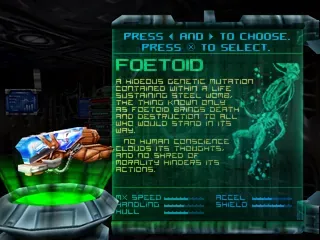
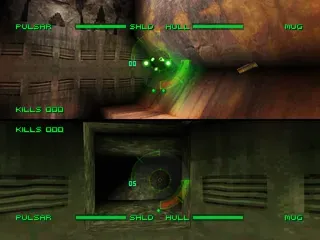
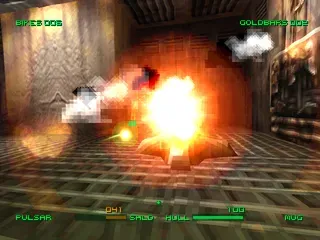
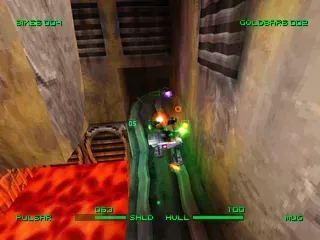
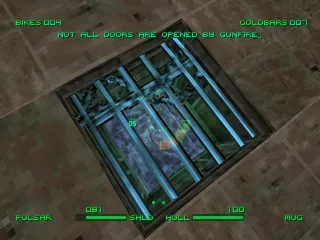
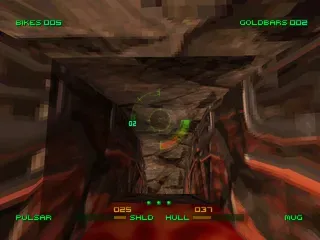
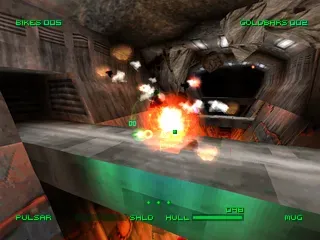
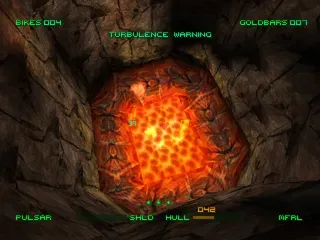
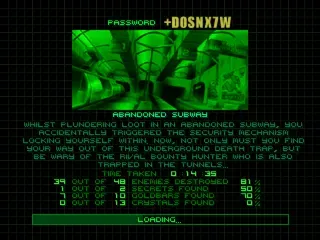
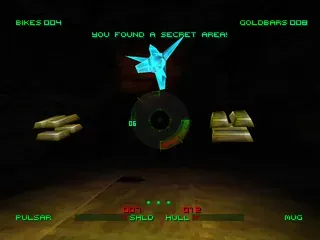
Forsaken is an action game centered on piloting a hover bike through enclosed 3D stages, with full freedom to move up, down, forward, backward, and laterally. Combat focuses on collecting weapons, eliminating hostile craft and automated defenses, and reaching level exits under pressure, while multiplayer adds direct competitive play.
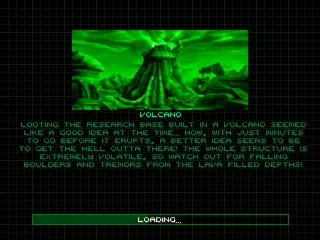
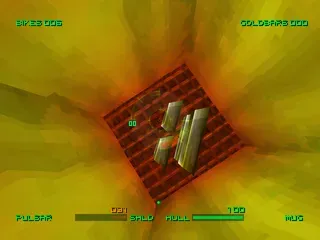
On Windows, the game was positioned as a technically ambitious PC release for 1998, with reviewers noting its strong graphics and broad weapon variety. The design emphasizes tunnel-like environments, weapon pickups, time pressure, and a futuristic audiovisual style that fits the game’s ruined-industrial setting.
Collector’s Value & Rarity
The Windows release is not generally considered ultra-rare, but it is a solid mid-tier collector item because it represents a recognizable late-1990s PC shooter with a notable identity and a small but persistent fan base. Market interest is strengthened by the game’s genre reputation and by later attention from remaster-era discussions, though it remains more obtainable than genuinely scarce PC releases.
Complete copies are typically more desirable than loose discs because original box art, manuals, and inserts help preserve its retail presentation and regional identity. As with many late-1990s PC titles, condition, completeness, and whether the package includes original documentation matter more than the software itself when assessing collector appeal.