

Historical Context & Trivia
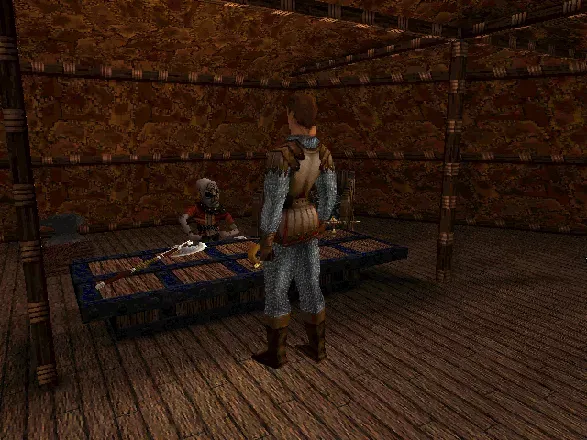
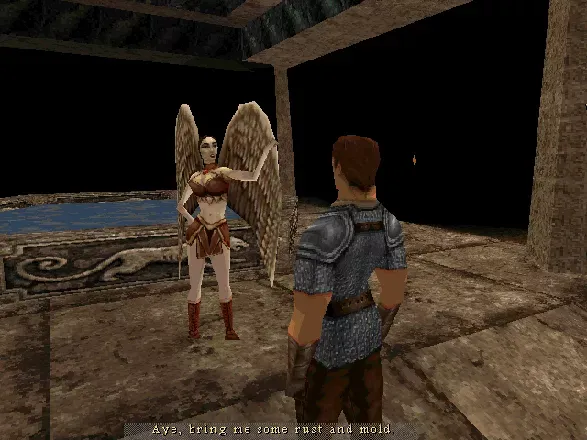
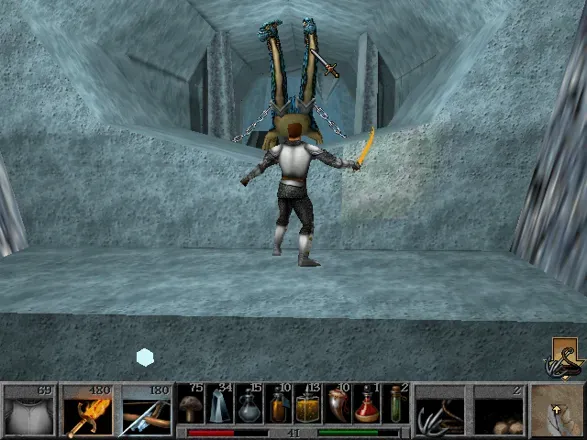
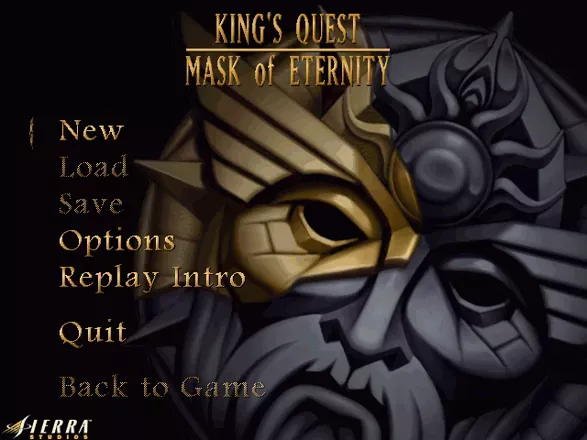
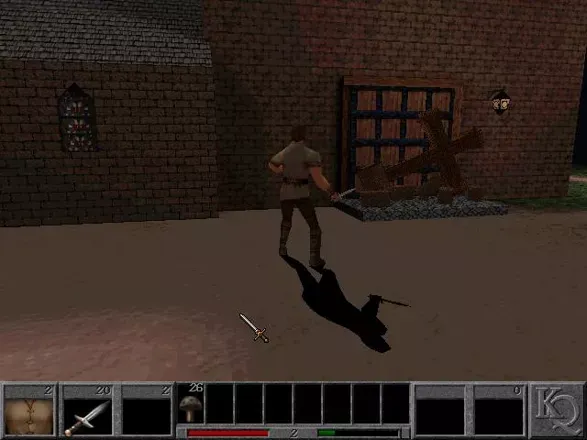
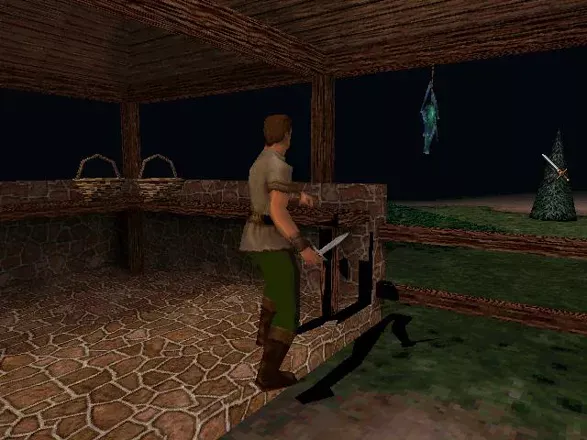
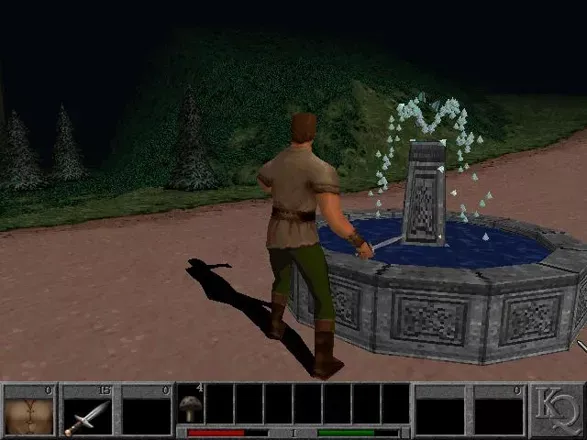
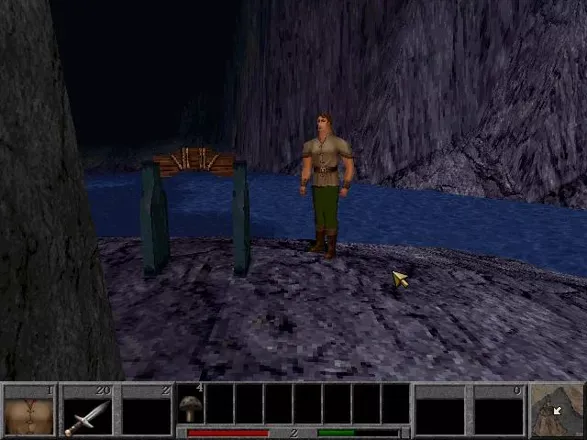
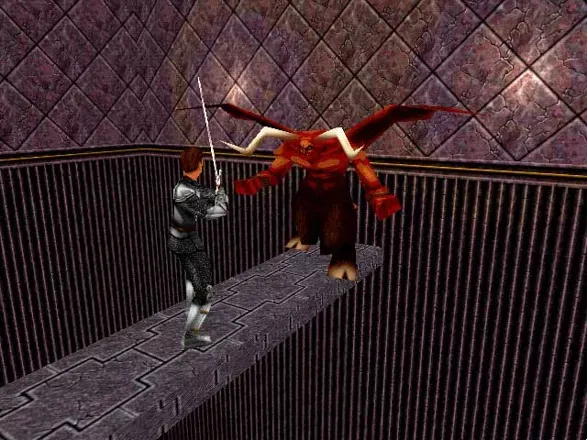
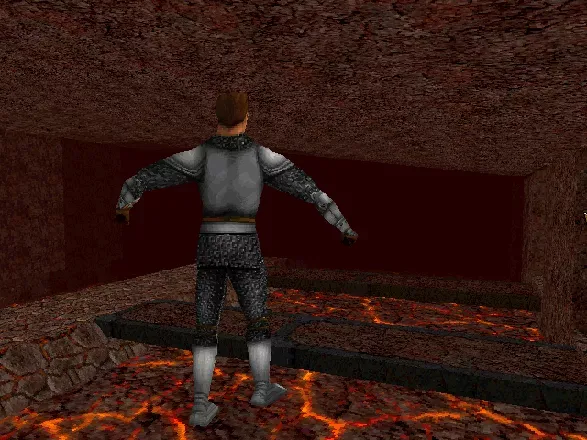
King’s Quest: Mask of Eternity (1998) is the eighth main King’s Quest installment and a major reinvention of Sierra’s long-running fantasy series. It shifted away from the classic parser and point-and-click tradition into a fully three-dimensional, action-driven format centered on a new protagonist, Connor, rather than King Graham or his family.
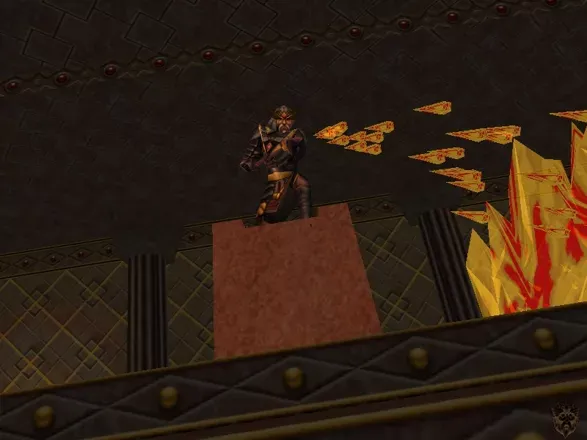
Developed and published by Sierra On-Line, the game reflects the late-1990s industry push toward real-time combat, 3D exploration, and RPG systems. Sources consistently describe it as a hybrid of adventure, action, and role-playing design, with Sierra using the series to adapt to changing market expectations while still retaining inventory puzzles and quest structure.
Gameplay & Technical Features
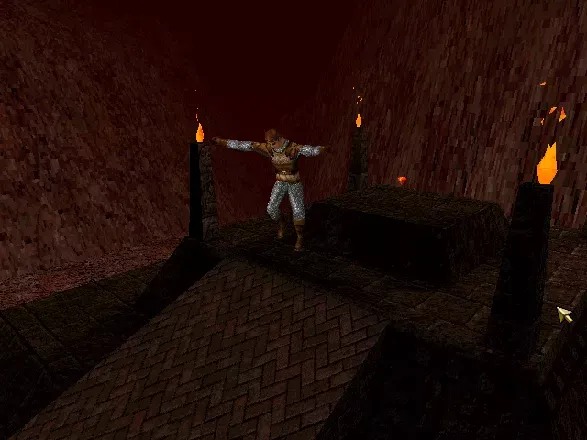
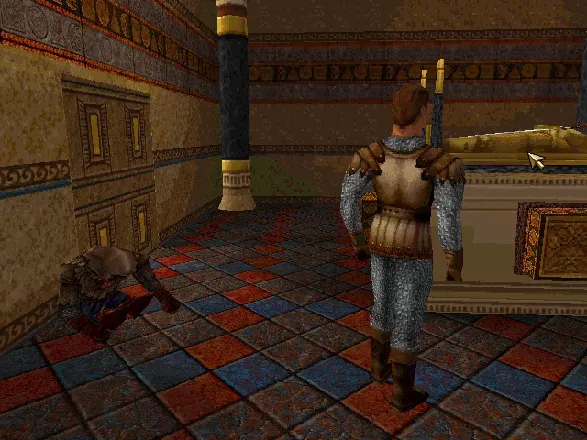
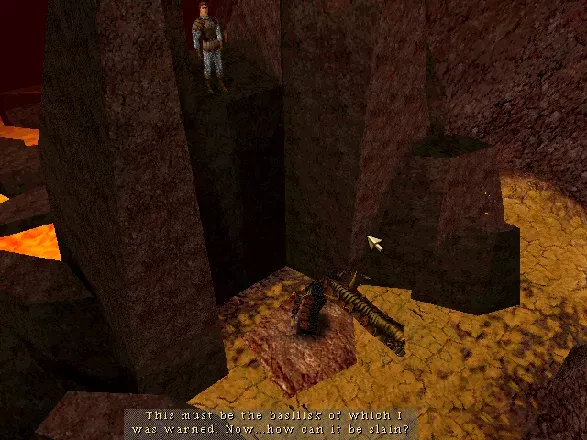
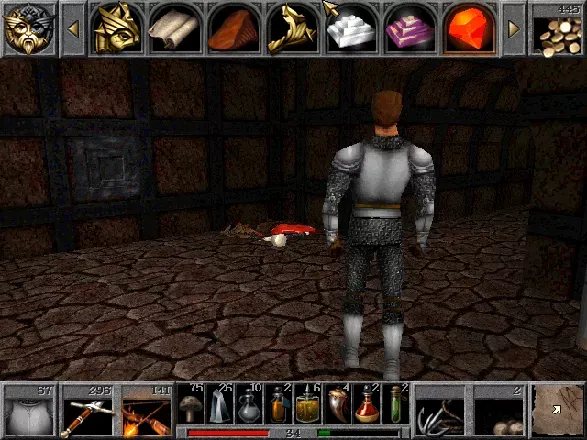
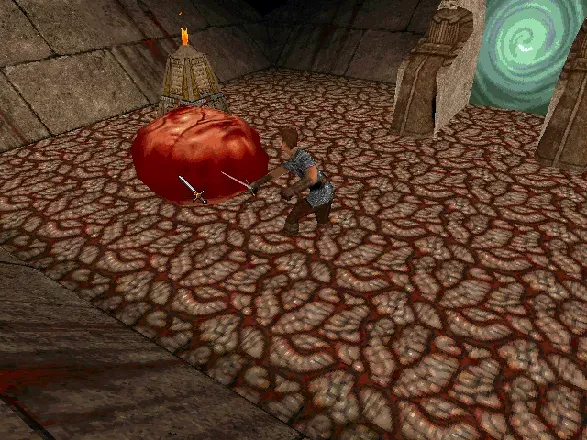
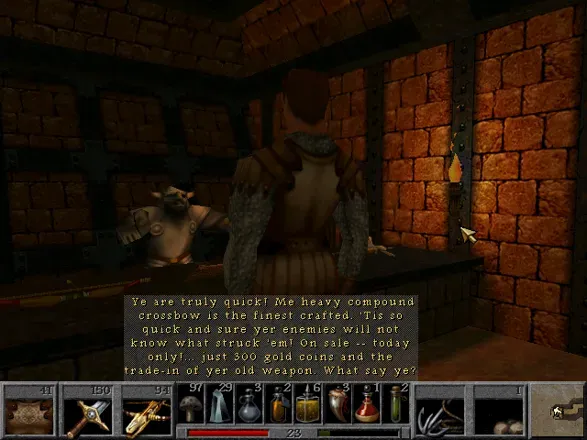
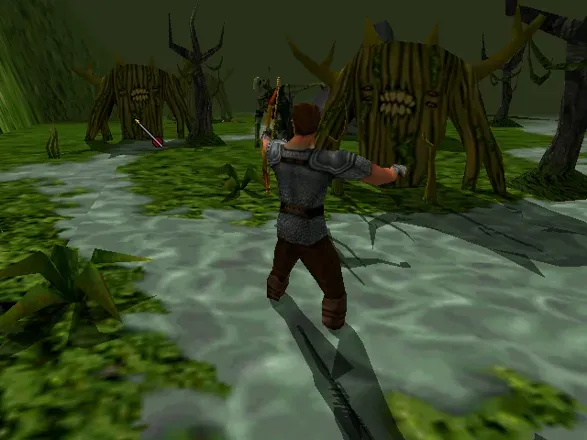
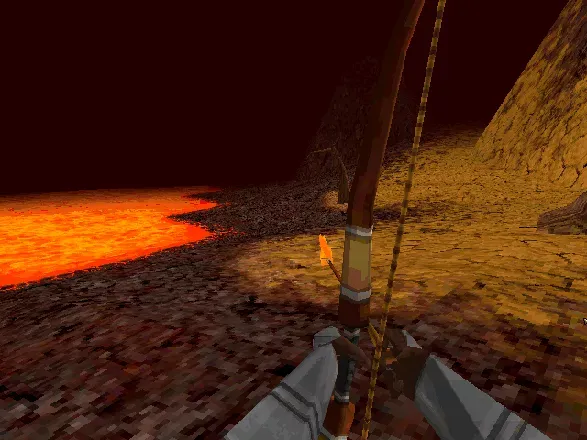
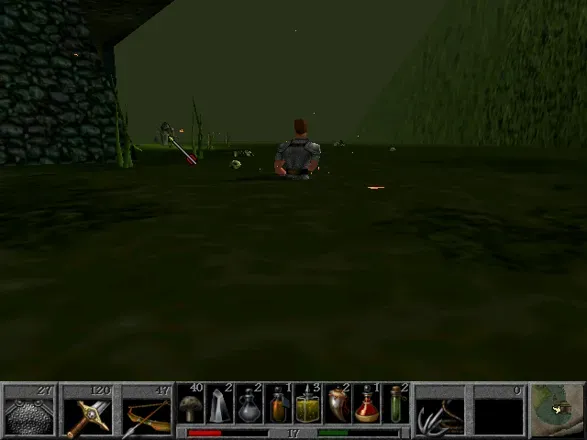
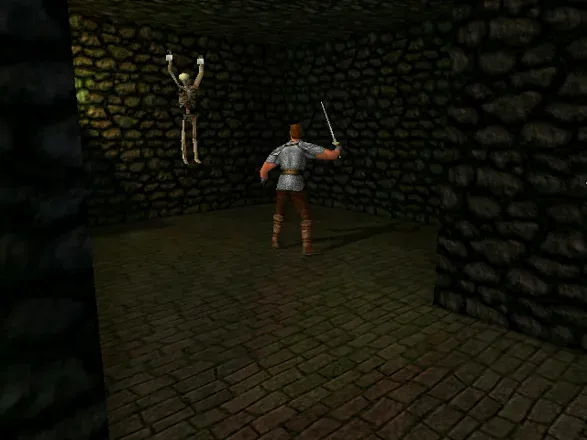
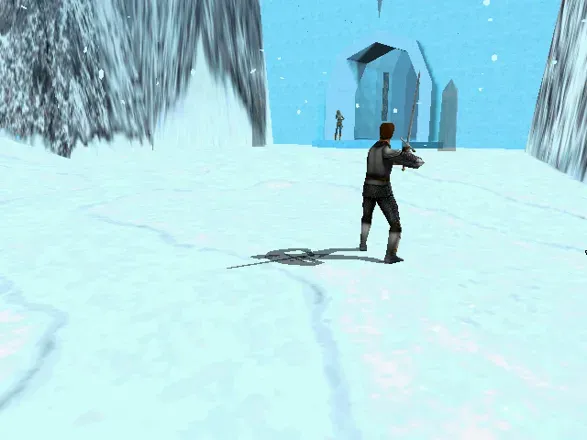
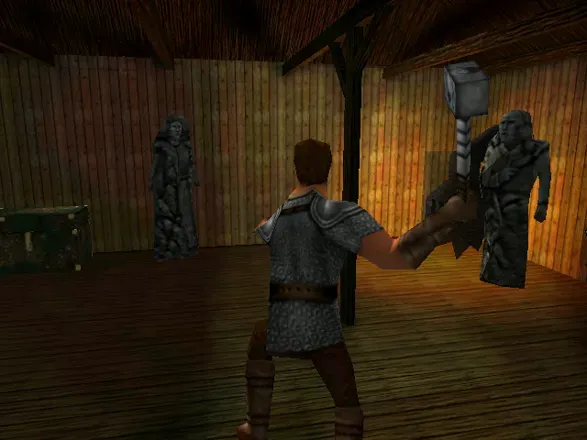
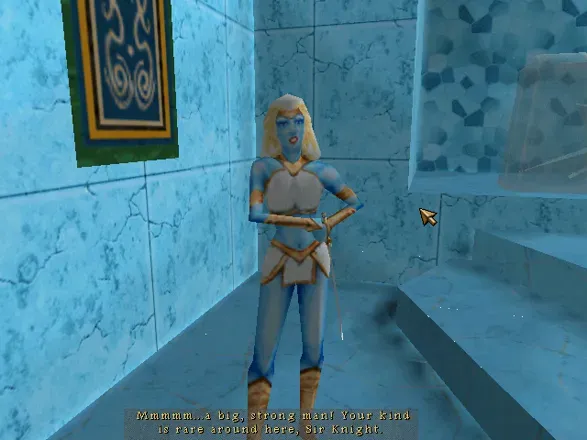
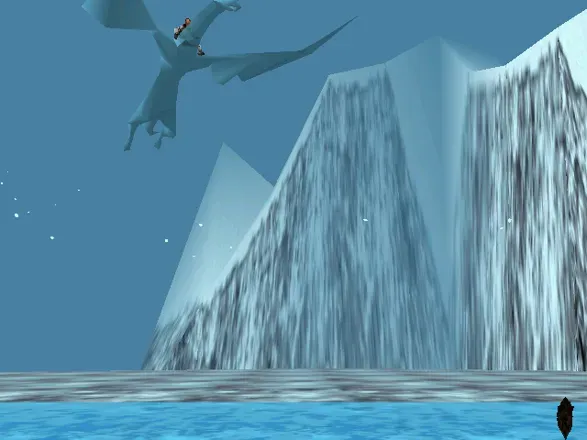
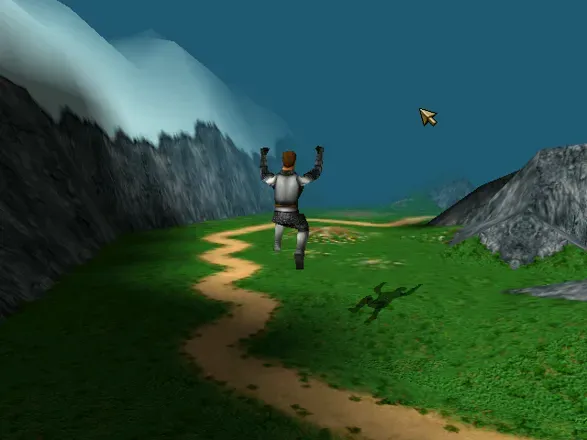
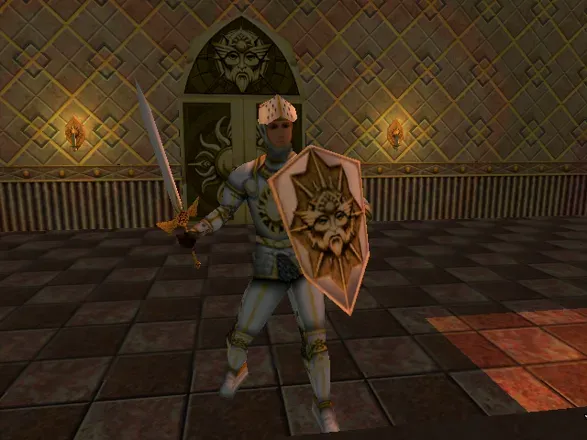
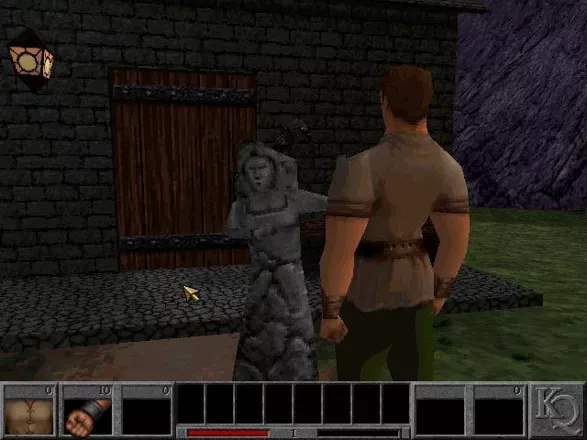
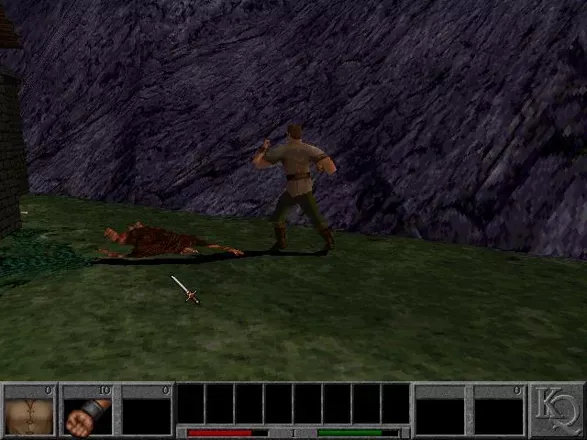
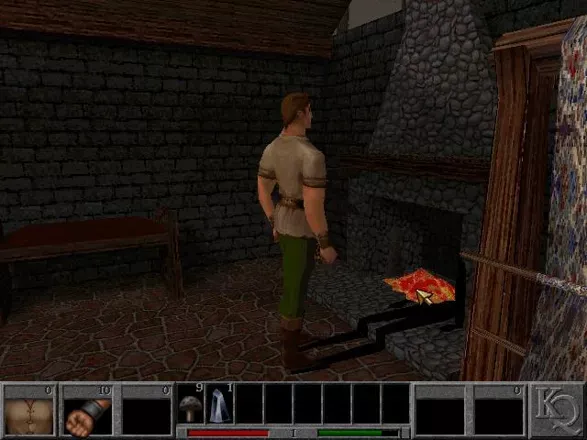
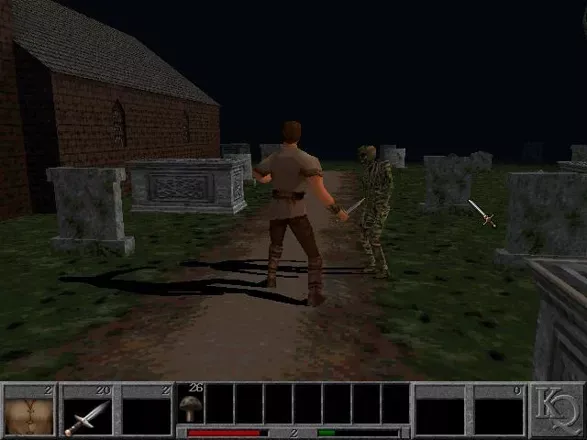
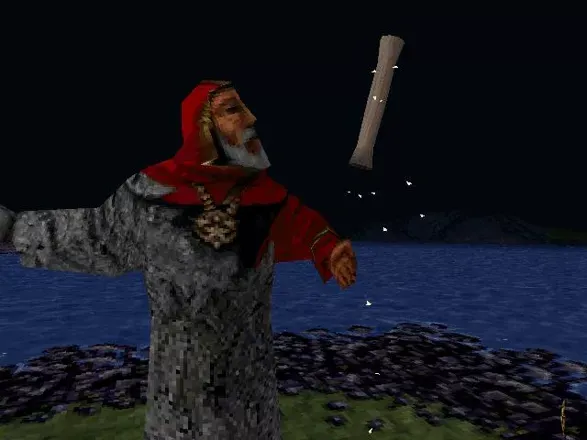
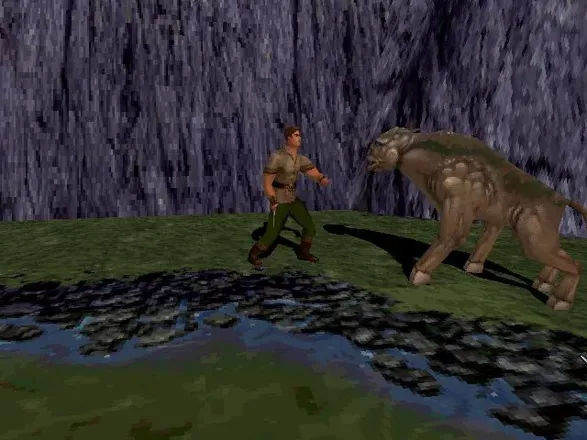
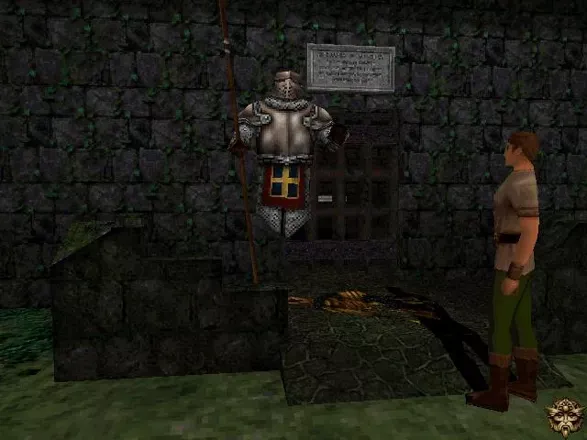
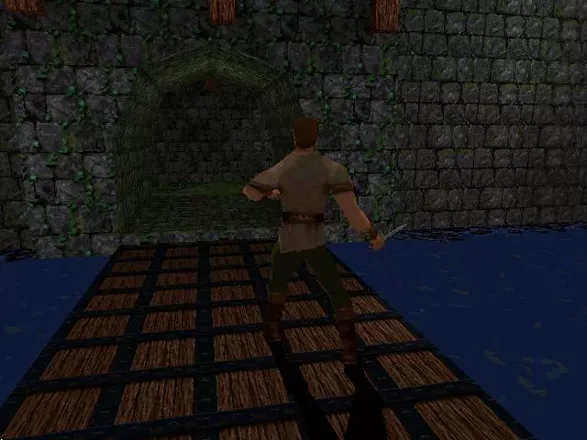
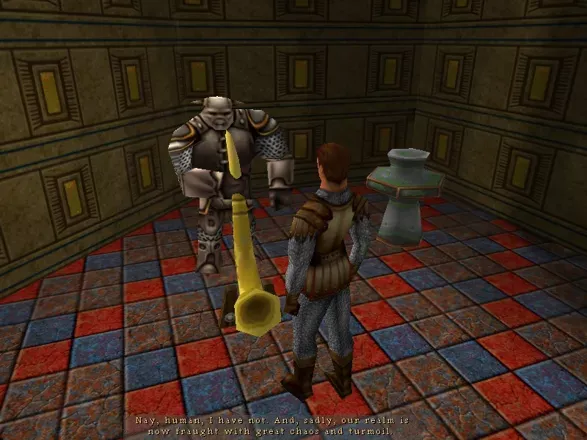
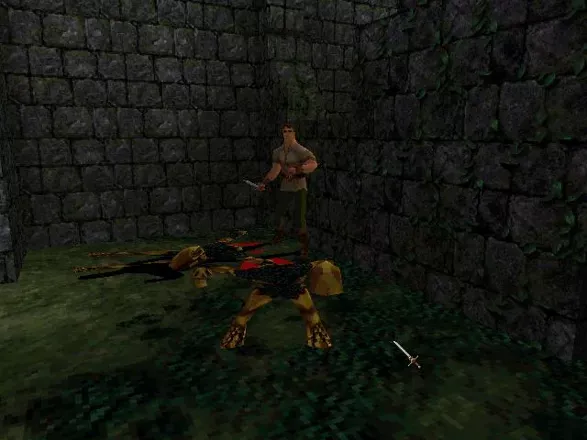
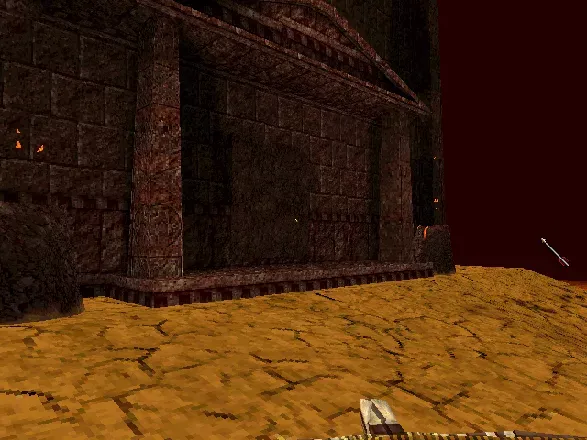
The core gameplay combines action-adventure traversal, melee and projectile combat, light RPG progression, and traditional adventure-game problem solving. Players explore multiple fantasy regions, collect pieces of the shattered Mask, interact with characters, and solve inventory-based puzzles, making it a hybrid rather than a pure action game.
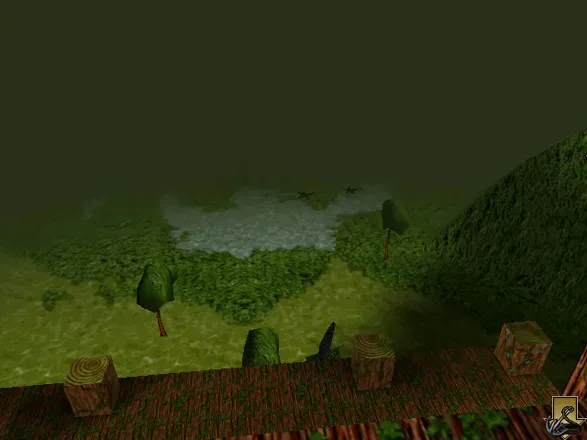
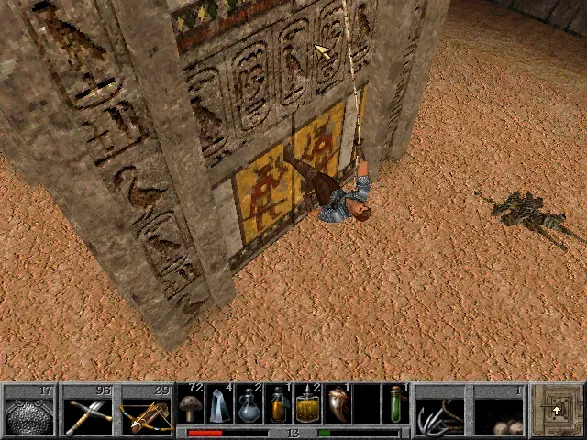
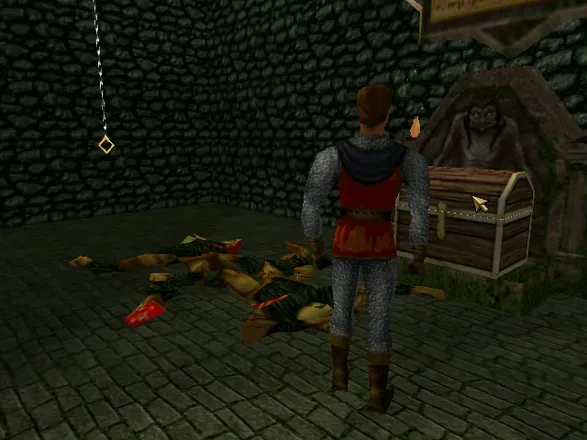
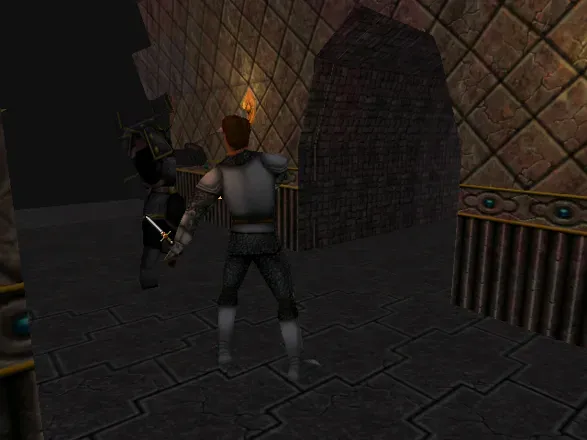
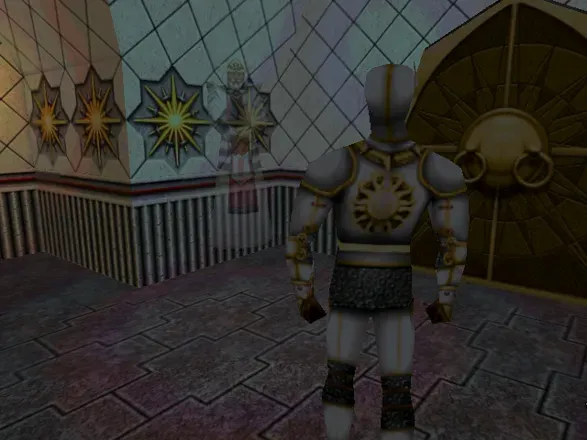
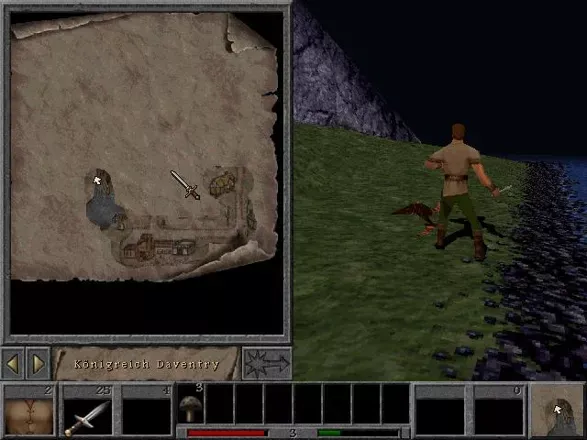
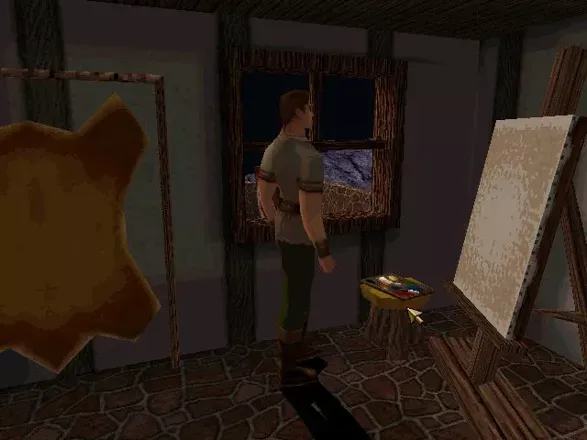
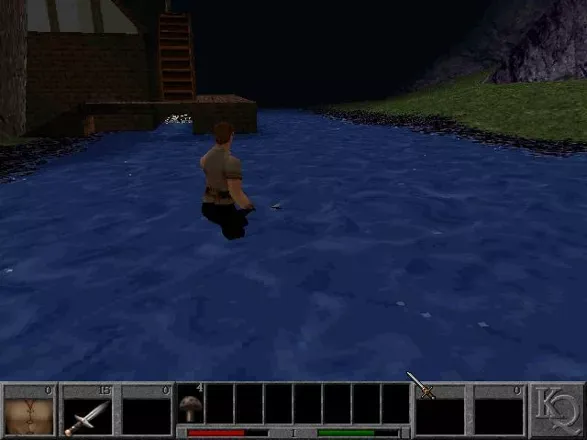
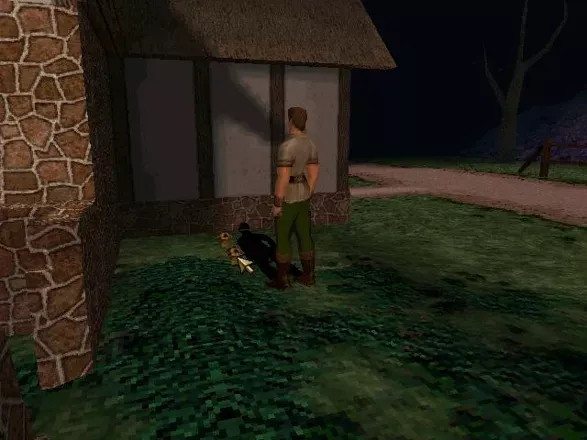
On Windows, the game used a full 3D engine with third-person presentation and camera control, which was a first for the main series. Contemporary coverage also notes substantial hardware demands for the era, including Windows 95/98, a Pentium 166, 32 MB of RAM, and DirectX-compatible audio/video hardware, placing it squarely in the late-1990s PC transition to accelerated 3D gaming.
Collector’s Value & Rarity
King’s Quest: Mask of Eternity is not generally considered rare, but it has steady collector interest because it is the final mainline King’s Quest release and a marked departure from the earlier formula. Its value is strongest among Sierra collectors, fans of late-PC adventure games, and those tracking the series’ historical transition into 3D action design.
Regional publishing was broader than a simple U.S. release, with distributors and localized editions handled by firms including Acer TWP Corp, Imagineer Co., Ltd., and Dice Multi Media Europe B.V., which can make boxed variants and manuals more interesting to collectors. Physical completeness matters most for boxed copies: jewel case or big-box packaging, inserts, and region-specific documentation are the key items that distinguish surviving editions.